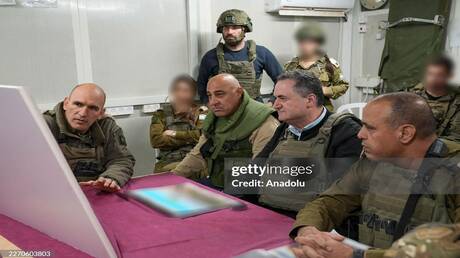
Israeli Defense Minister Yoav Gallant announced that the Israeli army has destroyed underground infrastructure in the town of Qantara, located within the new security zone in southern Lebanon. Gallant confirmed that military operations will witness a noticeable escalation, raising significant concerns in the area.
These statements come at a sensitive time, as tensions along the Lebanese-Israeli border are increasing. Gallant noted that attacks targeting what he described as "threats" in the region will intensify, reflecting a new Israeli strategy in dealing with security conditions in southern Lebanon.
Details of the Operations
As part of military operations, sites believed to be used by armed groups in the area were targeted. Gallant stated that these operations are part of Israel's efforts to protect its borders and prevent any potential threats from the south. The attack was carried out following precise security assessments regarding military activities in the region.
It is noteworthy that the town of Qantara is one of the sensitive areas in southern Lebanon, where many armed groups have been present. These operations are part of a broader Israeli strategy aimed at enhancing security in border areas.
Background & Context
Historically, the Lebanese-Israeli border has witnessed numerous armed conflicts, with the area being a stage for repeated military operations. Since the 2006 war, Israel has sought to bolster its security presence in southern Lebanon, leading to increased tensions with Hezbollah and other armed groups.
In recent years, the intensity of clashes between Israeli forces and militants in Lebanon has escalated, complicating the security situation further. These conditions have affected relations between Lebanon and Israel, with growing fears of a new conflict erupting in the region.
Impact & Consequences
These developments come at a sensitive time, as they could lead to greater escalation in the conflict between Israel and Hezbollah. Israeli statements indicate a clear intention to confront any threats, potentially paving the way for further military operations in the future.
Moreover, these events may impact stability in Lebanon, as they could provoke reactions from armed groups, further complicating the security situation in the region. It is expected that concerned countries will closely monitor the situation, especially amid fears of the repercussions of any military escalation.
Regional Significance
These events hold significant importance for the Arab region, reflecting the ongoing tensions between Israel and neighboring countries. The military escalation in southern Lebanon could affect relations between Arab states and Israel and may lead to new diplomatic moves in the region.
Additionally, the situation in Lebanon may reflect on conditions in neighboring countries, as any escalation could lead to a flow of refugees or increased internal tensions in Arab states. It is crucial for Arab countries to remain vigilant to these changes and work to enhance security and stability in the region.