Tunisia has expressed deep concern over the armed attacks targeting several cities in Mali, including the capital Bamako, which resulted in numerous casualties. The Tunisian Foreign Ministry condemned these violent acts and reaffirmed its full support for the Malian people.
In an official statement issued on Tuesday, Tunisia emphasized the necessity of respecting the sovereignty of nations and the right of peoples to live in peace. It also stressed the importance of international cooperation to combat terrorism and armed violence that threaten the stability of the region.
Details of the Incident
The recent attacks in Mali come at a time when the country is suffering from escalating violence, with armed groups targeting several areas, exacerbating the humanitarian situation. These attacks have resulted in the deaths and injuries of many civilians, raising significant concerns about their implications for security and stability in the country.
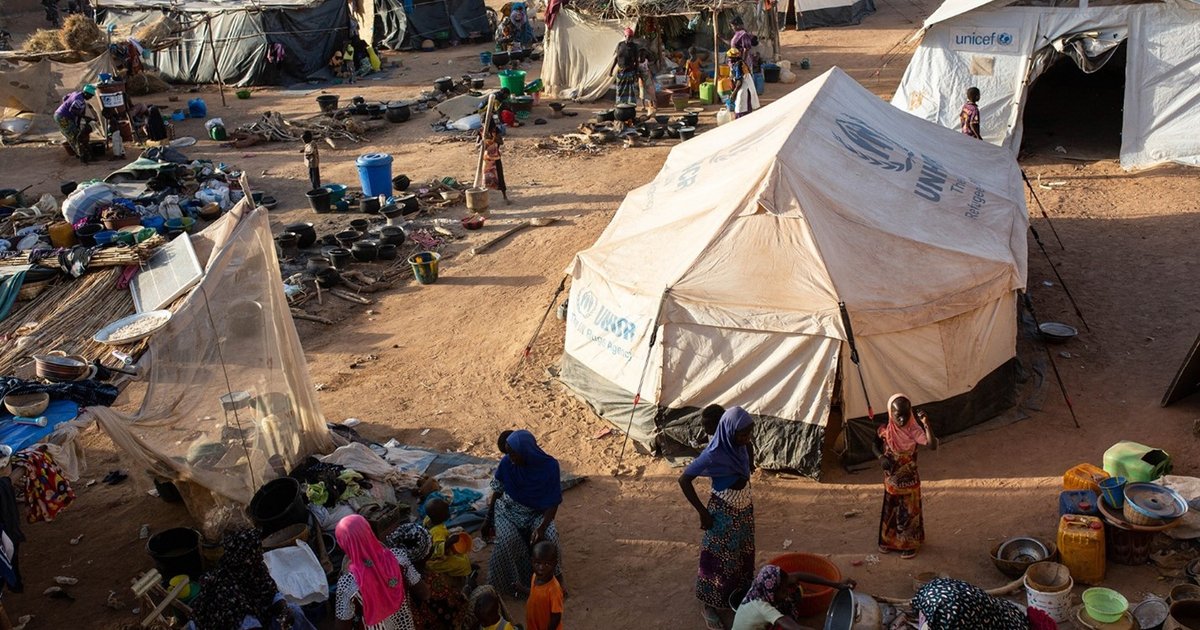
These events are part of a series of attacks that Mali has witnessed in recent years, as the Malian government struggles against armed groups seeking to undermine security in the country. This situation has led to the displacement of many residents, further complicating the humanitarian crisis.
Background & Context
Mali, which has experienced two military coups in recent years, is suffering from political and security instability. Armed groups, including Al-Qaeda and ISIS, have exploited the political chaos to strengthen their presence in the country. This situation has exacerbated humanitarian and economic crises, with the population facing shortages of food and healthcare.
Historically, Mali was considered one of the stable countries in West Africa, but recent events have altered this reality. International military interventions have not achieved the desired results, making the situation more complex.
Impact & Consequences
The armed attacks in Mali could have serious repercussions on regional security. The escalation of violence may prompt neighboring countries to enhance their security measures, potentially leading to strained relations among states in the region. Additionally, these events may affect international efforts to support stability in Mali.
The impact of these attacks also extends to humanitarian conditions, as the number of displaced persons and refugees is likely to increase due to the violence. This situation could place additional pressures on neighboring countries hosting these displaced individuals, further complicating the humanitarian conditions in the region.
Regional Significance
Tunisia is one of the Arab countries that feels concerned about the situation in Mali. The armed violence in Mali could affect regional security and heighten fears of the spread of extremism and terrorism to other countries in the region. Tunisia, which has faced terrorist threats in the past, fully recognizes the importance of stability in neighboring countries.
Tunisia's solidarity with the Malian people reflects its commitment to the principles of Arab and African solidarity. This stance may also enhance Tunisia's role as a mediator in peace and stability efforts in the region.
In conclusion, the situation in Mali remains a significant concern for the international community, as the current circumstances require an urgent response from countries and international organizations to address the security and humanitarian challenges.