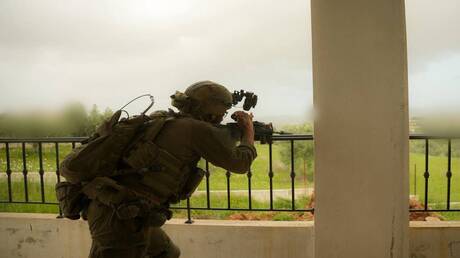
The Israeli army has announced that Golani Brigade forces have destroyed over 50 sites of Hezbollah's "terrorist infrastructure" in southern Lebanon. The Israeli forces confirmed that these sites were used to carry out attacks on Israeli troops and territory, reflecting a notable escalation in military operations in the region.
These operations come at a sensitive time for the area, as tensions between Israel and Hezbollah are rising, especially following a series of repeated clashes along the border. The Israeli army indicated that these strikes are part of a broader strategy to confront the threats posed by armed groups in Lebanon.
Details of the Operations
According to data released by the Israeli army, these operations were executed with high precision, targeting sites considered to be central to Hezbollah's operations. The Israeli forces employed advanced techniques in identifying targets, contributing to effective results in this military campaign.
Images and videos published by the Israeli army showcased the extent of the destruction inflicted on these sites, highlighting the strength of the blow dealt to Hezbollah. This attack is part of Israel's ongoing efforts to ensure its national security and counter any potential threats from the Lebanese side.
Background & Context
Historically, the relationship between Israel and Hezbollah has been marked by ongoing tensions, with Hezbollah being one of the most prominent armed groups in Lebanon, known for its opposition to Israel. Since the 2006 war, which was one of the most significant conflicts between the two sides, clashes and tensions along the border have persisted, making the area one of the most volatile in the Middle East.
These military operations are part of Israel's defensive policy aimed at reducing Hezbollah's capacity to carry out attacks against it. In recent years, there has been an escalation in reciprocal attacks, complicating the security situation in the region.
Impact & Consequences
These operations are expected to escalate tensions between Israel and Hezbollah and may provoke reactions from other armed groups in the region. Additionally, these events could affect relations between Lebanon and Israel, increasing instability in the area.
Concerns are growing that these operations could lead to a larger escalation in the conflict, potentially dragging the region into a wider war. Under these circumstances, the security situation in Lebanon and Israel remains under close observation, as both sides seek to secure their interests.
Regional Significance
These events are of significant importance to the Arab region, reflecting the ongoing tensions between armed groups and states. The escalation of the conflict between Israel and Hezbollah could impact stability in Lebanon, exacerbating the suffering of the Lebanese people who are already facing economic and political crises.
Moreover, these events may affect relations between Arab countries and Israel, as some nations seek to improve ties with Israel within the framework of peace agreements. However, the escalation of the conflict could hinder these efforts and deepen divisions in the region.
In conclusion, developments in this context remain under scrutiny, as the international community seeks to find peaceful solutions to ongoing disputes in the region.