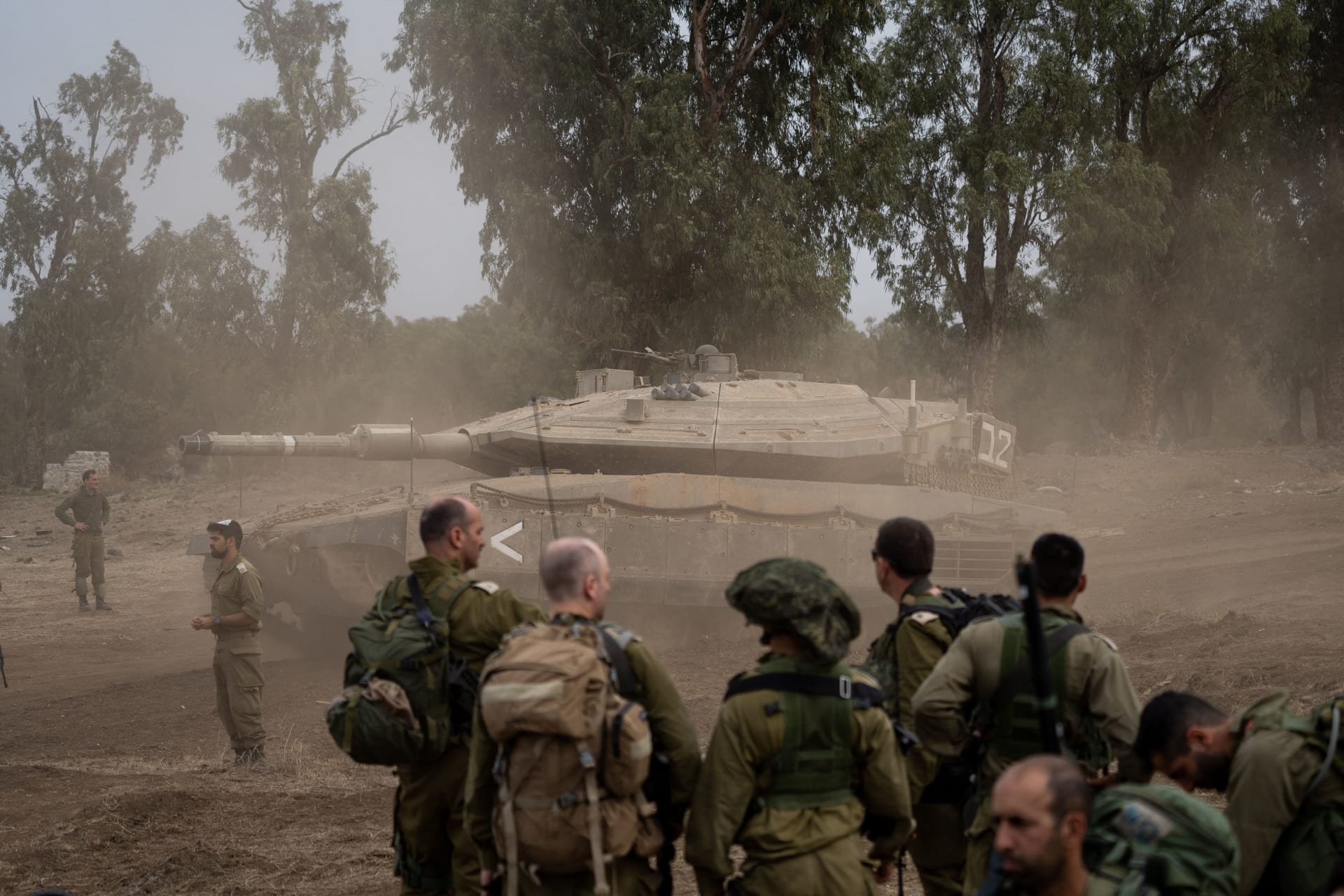
On Thursday, the Israeli army announced its intention to intensify airstrikes against Iranian facilities designated for weapons production, confirming the targeting of approximately 1000 sites. This step is part of Tel Aviv's strategy to confront the increasing threats from Iran, which it considers a primary enemy in the region.
Through these strikes, Israel aims to undermine the military capabilities of the Iranian regime, which it accuses of developing nuclear weapons programs and long-range missiles. The Israeli army indicated that these operations will continue until the desired objectives are achieved.
Details of the Event
These statements come at a sensitive time when the region is experiencing heightened tensions, with growing fears that Iran may be close to developing a nuclear weapon. Israeli officials have indicated that the strikes will specifically target facilities used in the production of missiles and conventional weapons.
The Israeli army has also confirmed that it possesses accurate intelligence regarding the locations of these facilities, and that operations will be coordinated with other allies in the region, hinting at cooperation with the United States and Gulf countries.
Background & Context
Historically, Iran has always been a focal point for Israel, which views it as an existential threat. Recent years have seen an escalation in tensions between the two sides, particularly following the United States' withdrawal from the Iranian nuclear deal in 2018, which reopened the door to an arms race in the region.
Iran pursues an expansionist policy in the region, supporting armed groups in Iraq, Syria, and Lebanon, which increases Israel's concerns. In recent years, there have been several Israeli attacks on Iranian sites in Syria, in an attempt to prevent the strengthening of Iran's military presence near its borders.
Impact & Consequences
Many analyses predict that these strikes will escalate tensions in the region, as Iran may respond to these attacks in various ways, either by targeting Israeli interests or by supporting armed groups that cooperate with it.
Moreover, these operations may affect relations between Israel and Arab countries, as Tel Aviv seeks to enhance security cooperation with some Arab nations to confront the Iranian threat. However, military escalation could lead to negative reactions from some countries that are striving for stability in the region.
Regional Significance
These developments pose a significant challenge to Arab countries, as they may lead to an escalation of regional conflicts. Additionally, military escalation could impact peace and stability efforts in the region, especially amid ongoing crises in Iraq, Syria, and Yemen.
While some Arab nations may view Iran as a threat, military escalation could reignite conflicts and increase civilian suffering. Therefore, the need for dialogue and understanding among all parties remains essential to avoid further escalation.
In light of these tense circumstances, the future of Israeli-Iranian relations remains uncertain, as attention turns to how Iran will respond to these strikes and whether they will lead to greater escalation in the region.