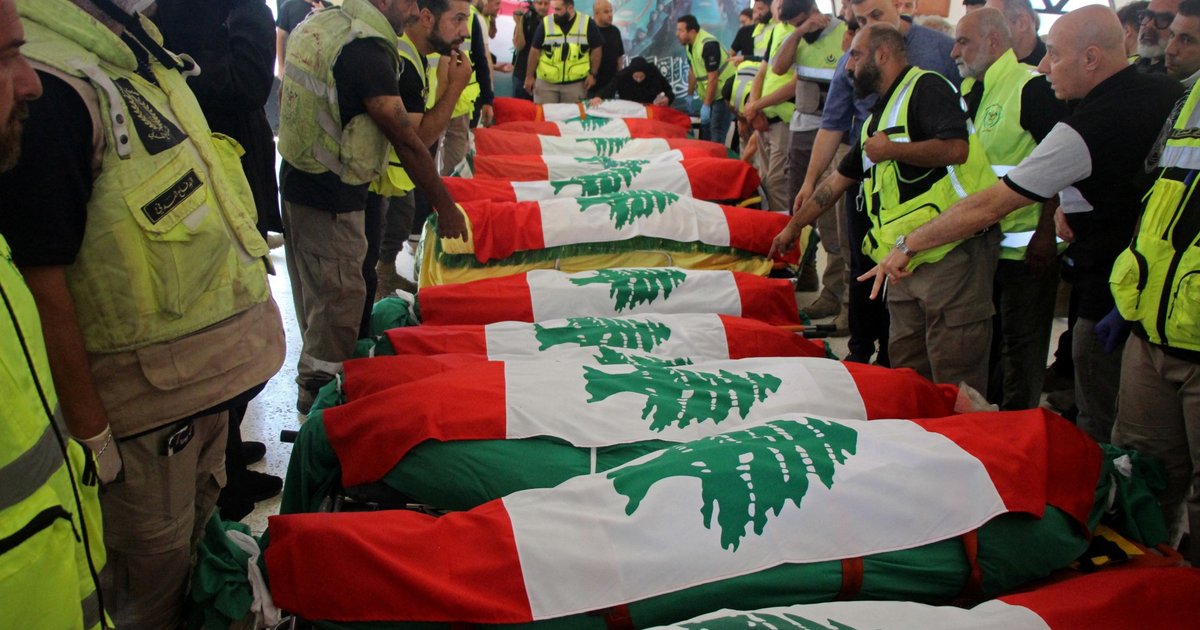
The Israeli army has issued new evacuation orders for six towns and villages in southern Lebanon, indicating that there are imminent attacks that may target the area. The official spokesperson for the Israeli army informed residents of the mentioned areas via platform X that they must leave their homes and move north of the Litani River.
These orders come at a time when tensions between Israel and Lebanon are escalating, with the Israeli army accused of violating the ceasefire agreement, further intensifying the situation in the region. The targeted towns include Haboush, Kfar Kila, Sahmar, Ain Qana, Nabatiyeh Tahta, and Kfar Rumman.
Details of the Event
In a tweet on platform X, the spokesperson for the Israeli army warned that Hezbollah might violate the ceasefire agreement, necessitating military action. He emphasized that the army does not intend to harm civilians, but their safety requires the evacuation of the specified areas.
These orders coincide with a military escalation in the region, as Israeli forces continue their military operations, raising concerns among local residents and increasing the number of displaced individuals.
Background & Context
Historically, the Lebanese-Israeli border has witnessed ongoing tensions, especially since 2006 when the Second Lebanon War broke out. Since then, there have been several rounds of violence, with Israeli forces and Hezbollah exchanging attacks. The situation is fragile, with fears of a new conflict on the rise.
The economic and social conditions in Lebanon are also deteriorating significantly, exacerbating the suffering of the population under the current circumstances. Any military escalation could worsen the humanitarian crises in the country.
Impact & Consequences
These orders serve as a serious warning of a potential escalation in the conflict, which could lead to mass displacement of residents from border areas. If military operations continue, this may exacerbate humanitarian conditions and increase the number of displaced individuals.
Moreover, the military escalation could affect relations between Lebanon and Israel, complicating peace efforts in the region. International forces may intervene to curb the escalation, but this depends on how events unfold.
Regional Significance
The situation in southern Lebanon affects regional stability, as any escalation could extend its impact to neighboring countries such as Syria and Palestine. Ongoing tensions may lead to increased divisions among Arab states, undermining joint efforts to achieve peace and stability in the region.
In conclusion, the situation in southern Lebanon remains under observation, with rising concerns about military escalation that could have serious humanitarian and political implications.