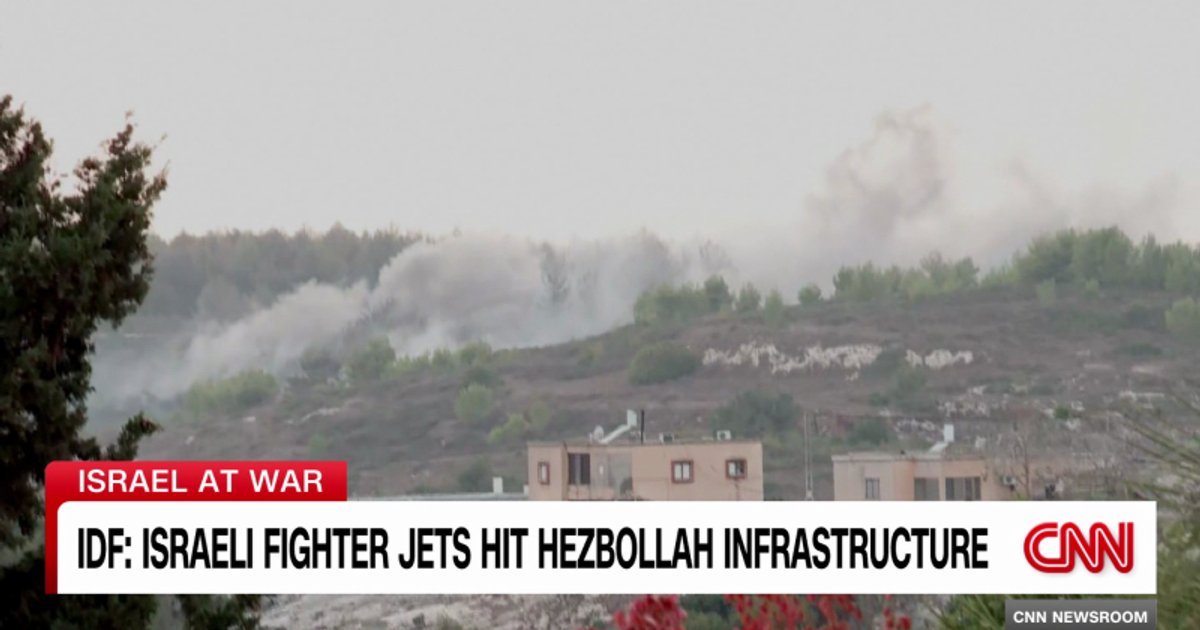
The Israeli army reported that it executed its largest strikes against Hezbollah's infrastructure, targeting strategic sites in Lebanon. These operations occur in the context of rising tensions between the two parties, raising concerns about their implications for regional stability.
According to official data, the strikes targeted weapon storage facilities and command centers belonging to Hezbollah, reflecting an Israeli strategy aimed at undermining the military capabilities of the group. The Israeli army confirmed that these operations are part of its ongoing efforts to counter the threats posed by Hezbollah along the northern border.
Details of the Strikes
In detailing the strikes, the Israeli army explained that it utilized drones and precision missiles to carry out the attacks, resulting in the destruction of several vital installations. Aerial images released by Israeli media showcased the extensive damage at the targeted sites, highlighting the strength of the strikes and their impact on Hezbollah's capabilities.
The army also noted that these operations followed a series of provocations from Hezbollah, including rocket launches into Israeli territory. The military escalation appears to be part of a broader Israeli strategy aimed at enhancing national security in the face of increasing threats.
Background & Context
Historically, relations between Israel and Hezbollah have seen escalating tensions since the 2006 war, with the borders between the two sides experiencing sporadic clashes. Hezbollah, backed by Iran, is considered one of the military arms used by Tehran in the region, complicating the conflict further.
In recent years, Israel has intensified its military operations against Hezbollah, particularly with growing concerns over the group's acquisition of advanced weaponry. These strikes come at a sensitive time, as tensions in the Middle East are rising, raising fears of a broader conflict.
Impact & Consequences
Analyses suggest that the Israeli strikes could lead to greater escalation in the confrontation with Hezbollah, potentially adversely affecting security in both Lebanon and Israel. Hezbollah is expected to respond to these strikes, increasing the likelihood of a new round of fighting.
Furthermore, these operations may impact Israel's relations with neighboring Arab countries, especially amid some nations' attempts to normalize relations with Israel. The military escalation could reverse progress and affect peace efforts in the region.
Regional Significance
These strikes are indicative of the rising military tensions in the region, which could significantly impact regional stability. The potential for a wider conflict remains a concern as both sides prepare for possible retaliatory actions.
In conclusion, the ongoing military operations underscore the fragile security situation in the region and highlight the complexities of the Israel-Hezbollah conflict, which continues to evolve amidst broader geopolitical dynamics.