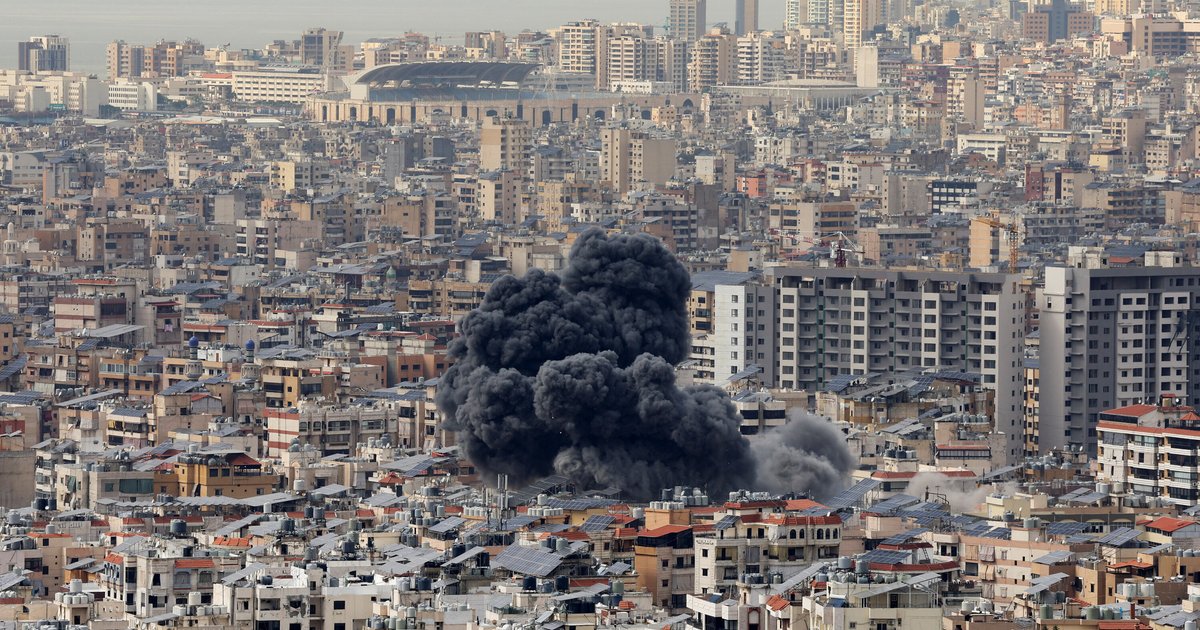
In a new escalatory step, the Israeli army announced early Saturday morning the commencement of airstrikes targeting Hezbollah infrastructure sites in the Lebanese capital, Beirut. These operations come at a time when the security situation in the region is increasingly tense, raising concerns about their implications for regional stability.
These airstrikes are part of an Israeli strategy aimed at undermining Hezbollah's military capabilities, which is considered one of Israel's foremost adversaries in the region. The Israeli army indicated that these operations target sites used for storing and developing weapons, reflecting Tel Aviv's concerns over the party's enhanced capabilities in facing any potential threats.
Details of the Event
According to reports, the Israeli airstrikes targeted several locations in Beirut, including facilities believed to be linked to arms manufacturing operations. Local sources reported strong explosions in the area, leading to panic among residents. Images circulated on social media showed significant damage to some buildings near the targeted sites.
In response, Hezbollah was quick to react, with a party spokesperson stating that these airstrikes would not go unanswered, indicating that the resistance would take all necessary measures to defend Lebanon and its people. The spokesperson also called on the international community to intervene to stop the repeated Israeli assaults.
Background & Context
These airstrikes occur within a complex historical context between Israel and Hezbollah, as the past years have witnessed numerous military tensions between the two parties, especially since the July 2006 war. Since then, Hezbollah has continued to bolster its military capabilities, leading Israel to view it as a direct threat to its national security.
Moreover, the situation in Lebanon is suffering from severe economic and political crises, complicating the landscape further. Under these circumstances, any military escalation could exacerbate the humanitarian conditions in a country already grappling with multiple crises.
Impact & Consequences
These airstrikes raise fears of a larger military escalation in the region, especially given the existing tensions between Israel and Iran, which supports Hezbollah. Any reaction from the party could lead to a new round of violence, threatening the stability of Lebanon and the region as a whole.
Additionally, these events could affect relations between Arab countries and Israel, as some nations are moving towards normalizing relations with Tel Aviv, while such escalations may hinder these efforts. At the same time, some regional powers might exploit these events to strengthen their position in the area.
Regional Significance
The ongoing events in Lebanon are part of a broader landscape that includes many Arab countries suffering from internal and external conflicts. The rising tensions between Israel and Hezbollah could impact regional security and intensify divisions among Arab nations.
Ultimately, the situation in Lebanon remains under close observation, as all eyes are on how events will unfold in the coming days. Any military escalation could lead to unforeseen consequences, necessitating dialogue and understanding among all concerned parties.