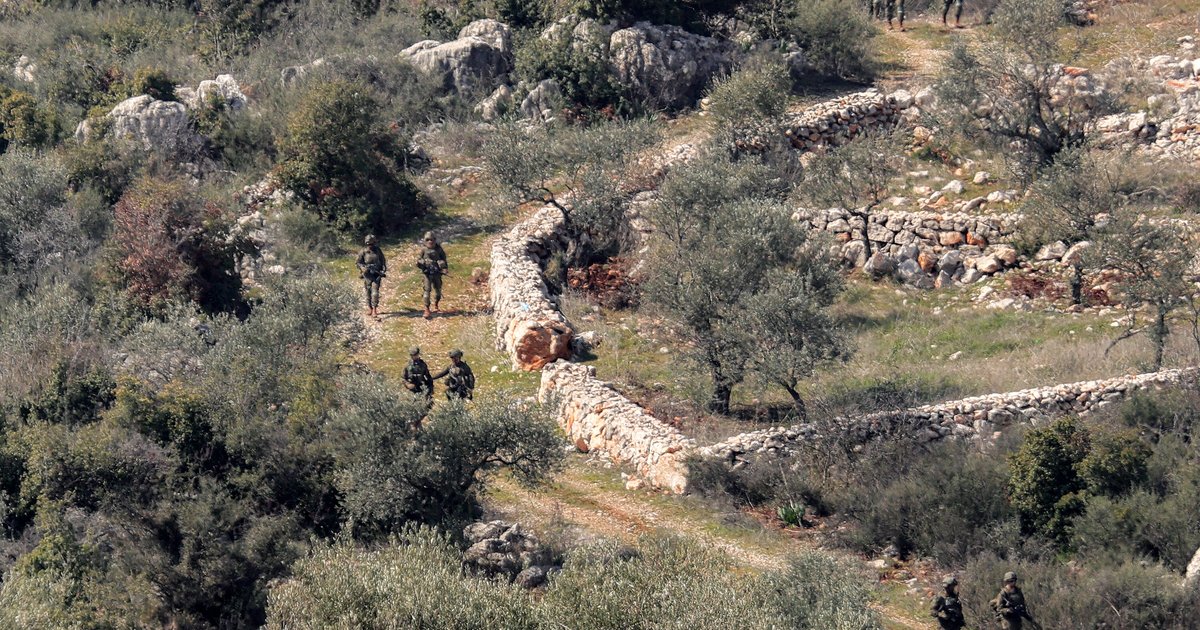
The Israeli army has unveiled new plans aimed at establishing a security zone that extends between 2 to 3 kilometers into Lebanese territory. This step comes at a sensitive time as tensions along the Lebanon-Israel border escalate, raising fears of serious implications for regional security.
The Israeli army's plan includes the destruction of villages located within this security zone, which has sparked widespread concern among local residents and the international community. This move is considered part of a broader strategy aimed at enhancing Israeli control over the border, amid rising security threats that Tel Aviv deems justifiable for such actions.
Details of the Event
These plans follow a series of security incidents along the border, including exchanges of fire between Israeli forces and Hezbollah fighters. These events have led to increased tensions between the two sides, prompting the Israeli army to take precautionary measures to bolster its security. According to military sources, the targeted area includes strategic regions that Israel considers potential launch points for attacks.
Through this move, Israel aims to mitigate the security risks it faces, especially in light of the increasing threats from armed groups in Lebanon. Additionally, these plans align with its defensive policy aimed at protecting its borders from any potential aggressions.
Background & Context
Historically, the Lebanon-Israel border has witnessed ongoing tensions, particularly since the 2006 war that resulted in widespread destruction in Lebanon. Since then, Israel has sought to strengthen its military presence along the border, leading to escalated conflicts with Hezbollah, which is considered one of the prominent armed factions in Lebanon.
These new plans are seen as part of a long-term Israeli strategy aimed at securing its borders from potential threats. However, these measures raise concerns within the international community, which fears exacerbating the humanitarian situation in Lebanon, especially given the difficult economic conditions the country is currently facing.
Impact & Consequences
If these plans are implemented, they could exacerbate the humanitarian situation in Lebanon, where local populations may face the risk of displacement and loss of their homes. The destruction of villages may also lead to increased tensions between Lebanon and Israel, potentially dragging the region into a wider conflict.
This move also poses a challenge to the international community, which seeks to achieve stability in the region. International reactions may lead to pressure on Israel to retract these plans, but history shows that Tel Aviv often ignores such pressures when it comes to its national security.
Regional Significance
These developments are of significant importance to the Arab region as a whole, reflecting the ongoing border conflicts that affect regional stability. The escalation of tensions between Lebanon and Israel could negatively impact relations between Arab states and Israel, especially amid some Arab countries' attempts to normalize relations with Tel Aviv.
Furthermore, these events may lead to increased Arab support for Hezbollah, bolstering its position as a resistance force against Israel. Ultimately, the situation along the Lebanon-Israel border remains under scrutiny, as circumstances can change rapidly amid the tense conditions.