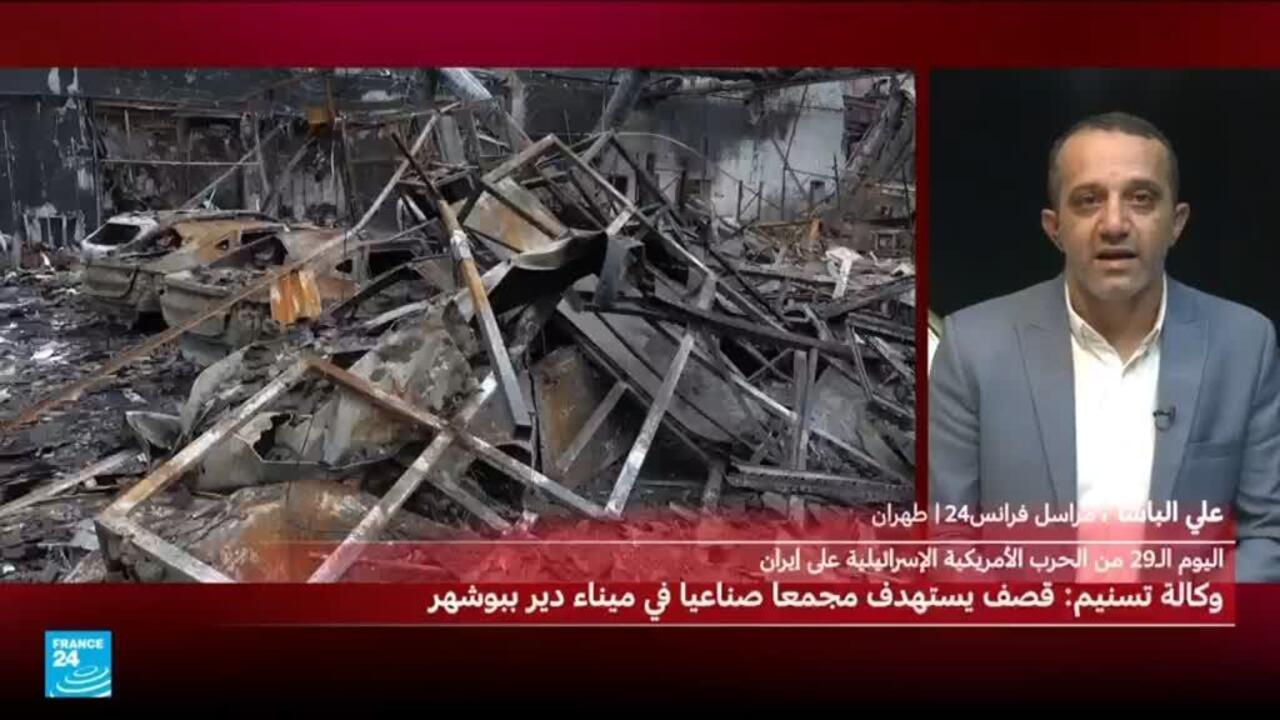
The Israeli army announced on Friday that it targeted two nuclear-related sites in central Iran, namely the Arak heavy water reactor and a uranium processing plant in Yazd. This attack occurred on the twenty-eighth day of the Middle East war, with the army confirming that the air force executed the strike under precise guidance from military intelligence.
The statement indicated that the Arak reactor, originally designed for military-grade plutonium production, was a primary target in this operation. This attack comes at a time when tensions are escalating between Israel and Iran, as Israel views the Iranian nuclear program as a direct threat to its national security.
Details of the Attack
In detail, the Israeli army clarified that the attack was carried out using advanced fighter jets, with the reactor being targeted accurately to minimize collateral damage. This strike followed a series of Israeli warnings regarding Iranian nuclear activities, which Tel Aviv considers opaque and concerning.
Iran maintains that its nuclear program is peaceful and aims to meet its energy needs. However, Israel and many Western nations believe that Iran seeks to develop nuclear weapons, further heightening tensions in the region.
Background & Context
The roots of the conflict between Iran and Israel date back decades, with the region witnessing numerous military and political disputes. Since the Islamic Revolution in 1979, Iran has become a key player in regional politics, raising concerns among neighboring countries, especially Israel.
In recent years, tensions have notably escalated, particularly after the United States withdrew from the Iranian nuclear deal in 2018. This withdrawal led to increased sanctions on Iran, adversely affecting its economy and exacerbating internal crises.
Impact & Consequences
This attack is expected to have significant repercussions on regional and international relations. It could lead to military escalation between Iran and Israel, potentially dragging other countries into the conflict. Additionally, this strike may impact peace talks in the region, as Iran might perceive it as an unjustified escalation.
Moreover, this attack could provoke reactions from the international community, as Israeli military operations against Iranian nuclear facilities may be viewed as violations of national sovereignty. International intervention may be required to mitigate the escalation.
Regional Significance
Arab countries neighboring Iran are on high alert, as any military escalation could affect the stability of the entire region. Gulf states, concerned about the Iranian nuclear program, may find themselves compelled to adopt firmer stances towards Tehran.
At the same time, this escalation could strengthen alliances between some Arab nations and Israel, especially in light of the common threats posed by Iran. However, such cooperation may provoke negative reactions from certain political factions in the region, complicating the political landscape.
In conclusion, the situation in the region remains tense, with growing fears of military escalation that could lead to unforeseen consequences. A serious international dialogue is required to reduce tensions and ensure regional stability.