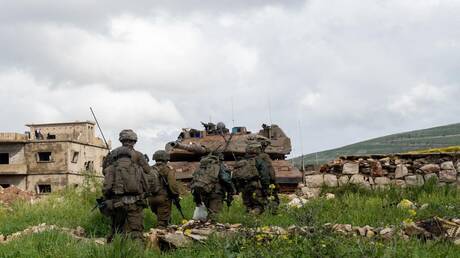
The head of the Metula Council made controversial remarks, asserting that the Israeli army will not be able to dismantle Hezbollah even after 100 years. These comments reflect a complex reality that the Israeli army faces in its ongoing conflict with the Lebanese organization, which is viewed as one of the largest security threats in the region.
These statements come at a time when the security situation in Lebanon is witnessing increasing tensions, as Hezbollah continues to enhance its military and political capabilities. This remark also indicates the Israeli army's inability to achieve its strategic goals against this organization, which enjoys broad popular support in Lebanon.
Details of the Statement
In his remarks, the head of the Metula Council noted that Hezbollah has become more powerful and organized, making it difficult for the Israeli army to make any tangible progress in dismantling it. He emphasized that current military strategies will not yield positive results in the long term, raising questions about Israel's ability to cope with this challenge.
Historically, the relationship between Israel and Hezbollah has escalated significantly since the party's establishment in the 1980s. Both sides have fought several wars, the most notable being the 2006 war, which resulted in significant losses for both parties. Since then, Hezbollah has become more armed and trained, complicating the conflict further.
Background & Context
Hezbollah was founded in 1982 in response to the Israeli occupation of Lebanon, and since then, it has become a major force in Lebanese politics. The party enjoys support from Iran and Syria, which enhances its military capabilities. In recent years, its activities have expanded to include intervention in regional conflicts, such as the war in Syria, further complicating the security situation in the region.
The Israeli official's statements express growing concern in Tel Aviv regarding Hezbollah's ability to carry out military operations against it. Reports have shown that the party possesses an arsenal of advanced weapons, including precision missiles, which pose a direct threat to Israeli security.
Impact & Consequences
These statements suggest that Israel may need to reassess its military strategies in the region. If Hezbollah continues to enhance its capabilities, this could lead to an escalation of conflict between the two parties, threatening stability in Lebanon and the region as a whole. This situation may also affect Israeli relations with Arab countries, which are seeking peace and stability in the area.
Moreover, the ongoing tensions between Israel and Hezbollah could negatively impact the economic situation in Lebanon, which is already suffering from multiple crises. Any military escalation could exacerbate humanitarian conditions and increase the suffering of the Lebanese people.
Regional Significance
The remarks from the head of the Metula Council serve as a wake-up call for Arab countries, highlighting the need to strengthen security and political cooperation to address common challenges. The ongoing conflict between Israel and Hezbollah could impact peace efforts in the region and increase divisions among Arab nations.
At the same time, some regional powers may exploit this situation to enhance their influence in the area, further complicating the political landscape. Therefore, it is essential for Arab countries to adopt effective strategies to deal with these challenges, including enhancing dialogue and cooperation.
In conclusion, the Israeli official's statements reflect a complex reality that requires an immediate and effective response from all parties involved. Understanding the current dynamics between Israel and Hezbollah is vital for achieving peace and stability in the region.