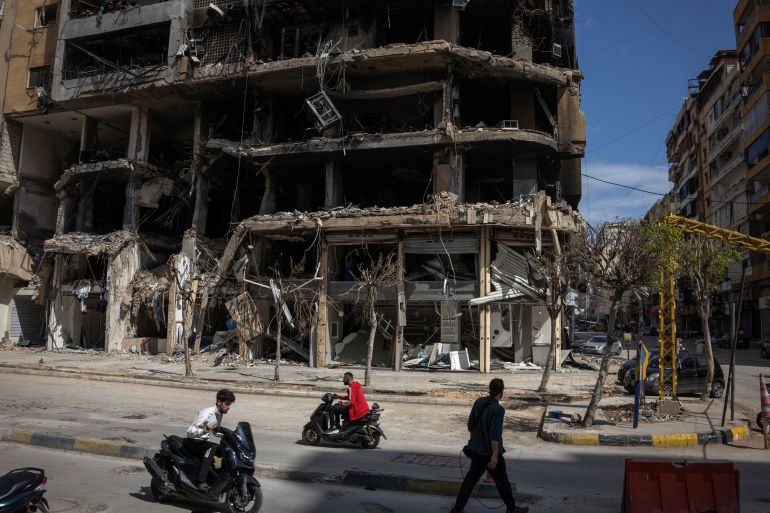
Recent Israeli attacks in southern Lebanon resulted in the deaths of five individuals, escalating tensions in the region. These incidents come at a sensitive time, raising fears of a larger escalation in the conflict. The attacks, which occurred late at night, targeted residential areas, provoking angry reactions from local residents.
Reports indicate that the attacks were carried out using drones and artillery shells, leading to widespread destruction of homes and property. Local sources have reported that the victims were civilians, heightening concerns about the safety of residents in border areas.
Details of the Incident
In detail, Israeli forces targeted areas close to the Lebanese border, where several powerful explosions were reported. Images circulated on social media showed the devastation inflicted on homes, along with scenes of chaos following the attacks. The injured were transported to nearby hospitals for treatment.
These attacks occur amid rising tensions between Israel and Hezbollah, with both sides exchanging accusations of inciting violence. Lebanese officials have called on the international community to intervene to stop these aggressions, warning that the situation could deteriorate further if immediate action is not taken.
Background & Context
Historically, the Lebanese-Israeli border has witnessed numerous armed conflicts, with the region serving as a stage for recurring strife for decades. In recent years, tensions have escalated due to Israeli military activities in the area, alongside mutual threats between Hezbollah and Israel.
In past years, there have been multiple attempts to reach ceasefire agreements, yet conditions often revert to tension. These recent attacks are part of a series of events reflecting the ongoing instability in the region, which directly affects the lives of civilians.
Impact & Consequences
These attacks carry serious implications for regional security, as they may lead to a larger escalation in the conflict between Israel and Hezbollah. The continuation of violence could impact relations between Lebanon and neighboring countries, increasing the suffering of civilians living in conflict zones.
Moreover, these events may lead to new international interventions, as some countries might seek to mediate to calm the situation. However, history indicates that such attempts may face significant challenges in achieving tangible results.
Regional Significance
The events in southern Lebanon hold particular significance for Arab countries, as they reflect ongoing tensions in the region. These attacks could affect the security situation in neighboring countries such as Syria and Palestine, complicating conditions in the Middle East.
Reactions from Arab nations may vary, with some countries likely calling for a strong stance against Israeli aggressions, while others may prefer to maintain a neutral policy. In all cases, the lives of civilians in the region remain the most affected by these conflicts.
In conclusion, the recent events in southern Lebanon highlight the urgent need for dialogue and negotiation as the only path to achieving peace and stability in the region. The continuation of violence will only lead to more suffering and destruction, necessitating effective steps from the international community to halt these aggressions.