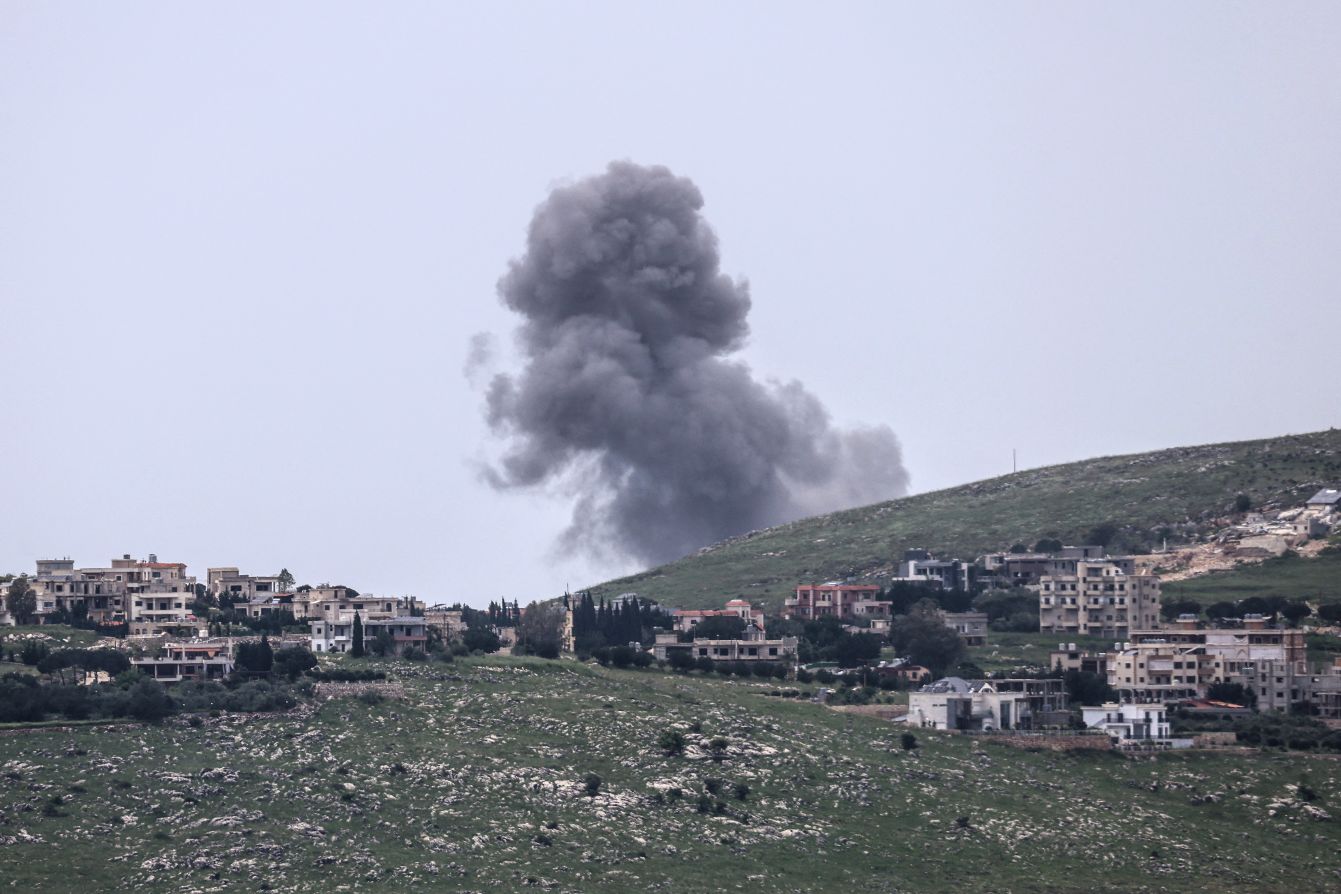
In a striking statement, Hezbollah's Deputy Secretary-General, Naeem Qassem, confirmed that the repeated Israeli attacks on Lebanon, which aim to eradicate the party's presence, have reached a dead end. This assertion was made during a press conference held in Beirut, where Qassem noted that these attacks have failed to achieve their objectives and have instead strengthened the party's resolve to resist.
Qassem also called on the Lebanese government to halt direct negotiations with Israel, pointing out that such negotiations contradict Lebanon's higher interests. He argued that the government's decision last March, which criminalized resistance and its popular base, should be revoked, as it prioritizes Lebanon's interests above all other considerations.
Details of the Event
Qassem clarified that the priority must be to defend Lebanon and its people, asserting that Hezbollah will not abandon its weapons. He indicated that defensive resistance is the only way to protect Lebanon from Israeli threats. He stated, "We will respond to Israeli aggression, and we will confront it. No matter the threats, we will not retreat, bow, or be defeated."
These statements come at a time when tensions between Lebanon and Israel are escalating, with increasing Israeli attacks on Lebanese territory, heightening the security situation in the region.
Background & Context
Historically, the relationship between Lebanon and Israel has been marked by ongoing tensions, particularly since the Lebanese civil war in the 1970s. Hezbollah, which was established in the 1980s, considers itself a protector of Lebanon against Israeli aggressions. The party has fought several wars with Israel, the most notable being in 2006, which saw significant military escalation in the region.
In recent years, concerns have grown regarding the rising tensions in the area due to Lebanon's difficult political and economic conditions, complicating the security landscape further.
Impact & Consequences
Qassem's statements serve as a clear warning to the Lebanese government, reflecting the party's dissatisfaction with current policies. If the government continues negotiations with Israel, it could lead to an escalation of internal tensions and increase divisions among political forces in Lebanon.
Furthermore, the continuation of Israeli attacks may provoke military responses from Hezbollah, potentially dragging the region into a broader conflict. Such a scenario could impact regional stability and exacerbate the suffering of the Lebanese people, who are already grappling with severe economic crises.
Regional Significance
The developments in Lebanon are of great importance to the Arab region as a whole. The conflict between Lebanon and Israel does not only affect Lebanon but also reverberates across neighboring countries, especially given the presence of regional and international powers with vested interests in the area. Any escalation could destabilize countries like Syria and Palestine.
In conclusion, the situation in Lebanon remains under close observation, with all eyes on how events will unfold amid rising tensions. Maintaining stability in Lebanon is vital not only for the Lebanese but for the entire Arab region.