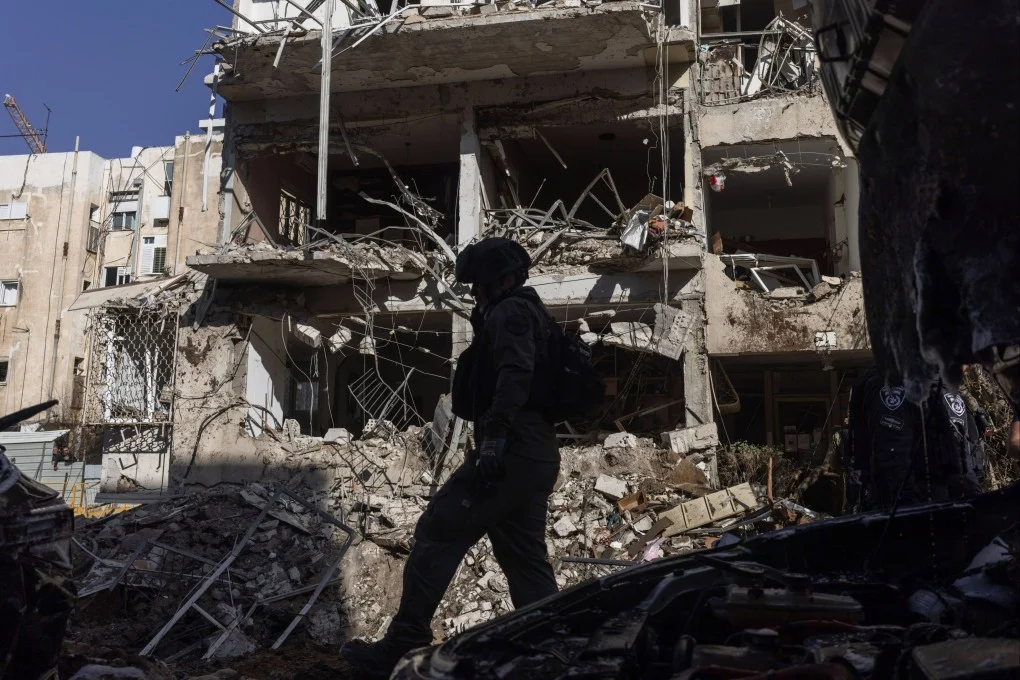
The Israeli Parliament convened in an emergency session on Monday morning to approve the 2026 budget, which includes a substantial increase in military spending amounting to $10 billion. This decision comes at a time when Israel is facing escalating security challenges, as it becomes embroiled in conflicts on multiple fronts, highlighting the urgent need to bolster its defense capabilities.
The budget was approved by a majority of 62 votes to 55 votes, averting the collapse of the current government and the possibility of early elections, which would have occurred had the budget not been passed before the end of March, according to Israeli law.
Details of the Budget Increase
The new budget indicates that the total proposed expenditures for 2026 will reach approximately 850 billion Israeli shekels, reflecting the Israeli government's commitment to enhancing its military capabilities amid tense security conditions. A significant portion of this budget has been allocated for military operations and the modernization of military equipment, as threats from armed groups in the region continue to rise.
This budget increase comes at a sensitive time, as Israel faces challenges from various fronts, including the ongoing conflict with Hamas in Gaza, increasing tensions with Hezbollah in Lebanon, and Iranian threats. Additionally, this increase also reflects the Israeli government's overall trend toward strengthening national security in light of changing regional circumstances.
Background & Context
Historically, Israel has seen a continuous rise in its defense budget, considering national security as a top priority for the government. Since its establishment in 1948, Israel has faced numerous wars and conflicts, making it heavily reliant on military and financial support from its allies, particularly the United States. In recent years, regional tensions have notably increased, leading to growing calls for enhanced military capabilities.
This budget is part of a long-term strategy aimed at addressing the rising security challenges. Studies have shown that Israeli military spending constitutes a significant percentage of the GDP, raising questions about its impact on the civilian economy.
Impact & Consequences
The Israeli government anticipates that this budget increase will contribute to strengthening national security; however, it may also exacerbate tensions with neighboring countries. Increased military spending could lead to an arms race in the region, heightening the likelihood of new conflicts. Furthermore, this move may affect Israel's relations with Arab states, which are closely monitoring military developments in Israel.
Moreover, this budget may impact the Israeli economy overall, as increased military spending might necessitate cuts in budgets allocated for social and economic services. This could lead to public discontent, especially amid the economic crises the country is experiencing.
Regional Significance
This step is significant for Arab countries, as it reflects Israeli military trends amid ongoing regional tensions. Increased military spending could escalate conflicts in the Middle East, affecting regional stability. Additionally, this budget may strengthen Israel's position in negotiations with Arab states, complicating peace efforts in the region.
In conclusion, Israel's new defense budget reflects the increasing security challenges the country faces, but it may also worsen conditions in the region. It is essential to monitor upcoming developments and understand their impact on regional relations.