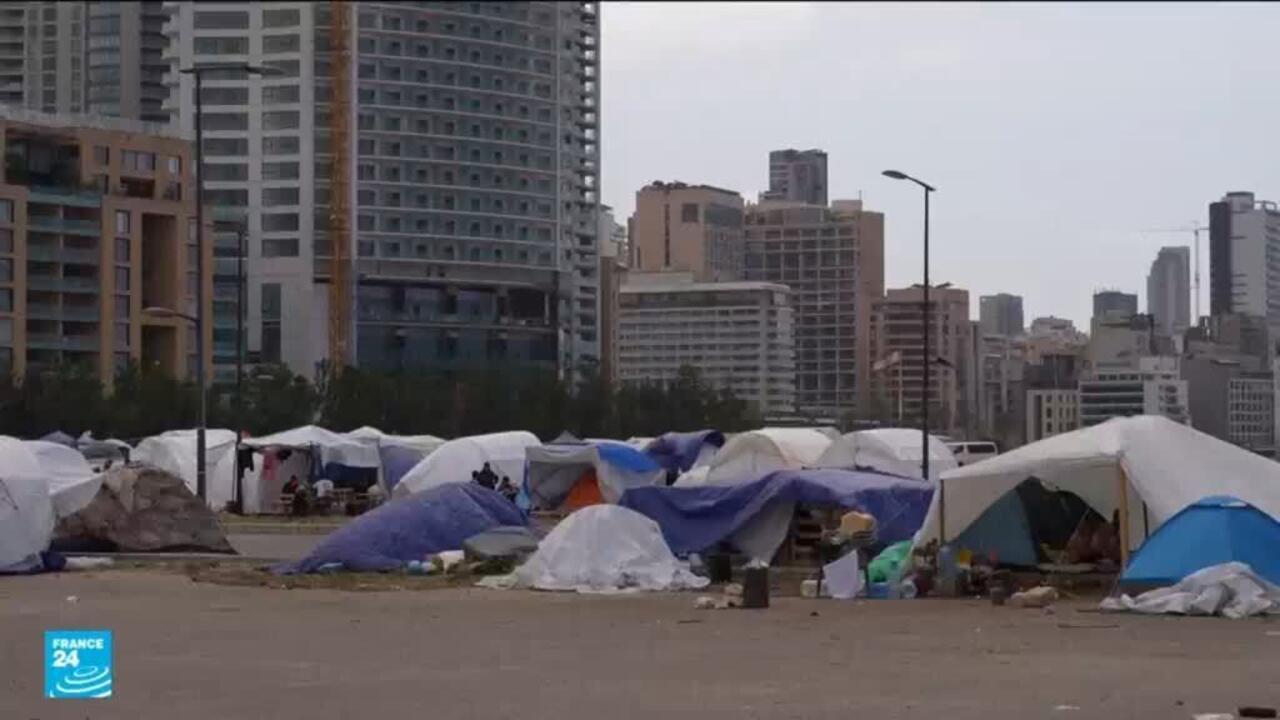
Despite the agreement reached to cease hostilities, the Israeli army continues its intensive bombardment in southern Lebanon, with military operations expanding to eastern areas such as the Bekaa. This military escalation has led to the displacement of many residents from their homes, forcing them to return to the capital Beirut in search of safety.
Reports indicate that the Israeli bombardment has not been limited to southern regions alone but has extended to new areas, raising concerns about escalating tensions in the region. This situation has exacerbated humanitarian conditions, as residents suffer from shortages of essential supplies and healthcare services.
Details of the Incident
In recent days, reports have noted a significant increase in the number of airstrikes carried out by the Israeli army on various areas in Lebanon. These strikes have focused on infrastructure and military sites, resulting in the destruction of many vital facilities. Local sources have also reported that several civilians have been injured as a result of these attacks, adding to the suffering of a population already enduring the effects of ongoing conflict.
Returning to Beirut has not been an easy option for many families, as repeated displacement causes them significant psychological and social stress. Nevertheless, hope for peace and stability remains, despite the considerable challenges facing the region.
Background & Context
The history of the Israeli-Lebanese conflict spans several decades, with the region witnessing numerous wars and conflicts. Since 2006, when the July War broke out, relations between the two sides have been persistently tense, with periods of relative calm interspersed with military escalations. Previous ceasefire agreements have not always been effective, complicating the current situation further.
International efforts to mediate the conflict have yet to yield tangible results, as the involved parties continue to exchange accusations and escalate tensions. This situation places civilians in the line of fire, increasing their suffering amid dire humanitarian conditions.
Impact & Consequences
The recent escalation in Israeli bombardment carries serious implications for regional security. Increased tensions in Lebanon could provoke reactions from armed groups, potentially dragging the region into a wider conflict. Furthermore, the ongoing displacement could negatively impact internal stability in Lebanon, which is already grappling with economic and political crises.
On the international level, this escalation may lead to interventions from major powers seeking to curb the violence, but the challenges these powers face in achieving peace could complicate matters further. The situation in Lebanon requires urgent attention from the international community to ensure the protection of civilians and achieve stability in the region.
Regional Significance
The impact of events in Lebanon extends to neighboring countries, as any escalation could have repercussions on regional security. Neighboring Arab states are closely monitoring the situation, as any escalation could affect their internal stability. Additionally, the conflict may reignite sectarian tensions in some countries, further complicating the regional landscape.
In conclusion, hope for achieving peace and stability in Lebanon persists, but the current situation demands genuine efforts from all involved parties to ensure the protection of civilians and achieve security in the region.