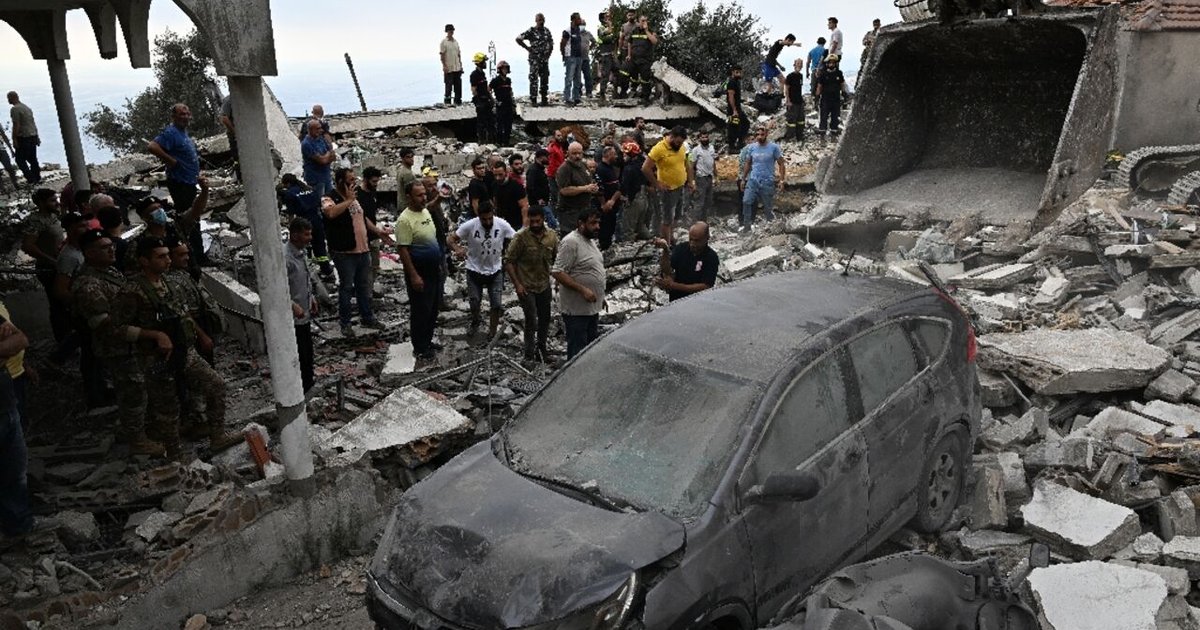
The Israeli occupation has resulted in the erasure of 20 Lebanese villages, which reflects a serious escalation in tensions in the region. This development occurs at a sensitive time when Lebanon is facing numerous challenges, including economic and political crises.
The destroyed villages include historical and cultural areas, raising significant concerns among local residents. The Lebanese government has condemned this act, stating that these actions represent a blatant violation of Lebanese sovereignty and human rights.
Details of the Event
In recent days, Israeli forces have launched extensive military operations in border areas, resulting in the complete destruction of the villages. Reports indicate that these operations were not limited to airstrikes but also included ground operations that led to the displacement of many families.
These events are part of a series of escalations that have occurred in the region, with tensions between Lebanon and Israel increasing in recent years. Images circulated on social media have shown the extent of the destruction inflicted on these villages, provoking angry reactions from the international community.
Background & Context
The history of the conflict between Lebanon and Israel spans decades, with the region witnessing numerous wars and conflicts. Since 2006, when the Second Lebanon War broke out, tensions between the two sides have not ceased. With the increasing economic crises in Lebanon, the situation has become more complicated.
The villages that have been destroyed are part of Lebanon's cultural heritage, containing historical landmarks that date back centuries. This destruction not only affects local residents but also threatens the cultural identity of the country.
Impact & Consequences
The consequences of this event will be far-reaching. The destruction of these villages may exacerbate the humanitarian crises in Lebanon, as displaced individuals will face significant challenges in seeking shelter and resources. Additionally, this escalation could affect relations between Lebanon and neighboring countries, further complicating the regional situation.
Moreover, this escalation may increase pressure on the Lebanese government, which is already facing substantial economic and political challenges. This situation is expected to lead to increased discontent among citizens, potentially resulting in new protests against the government.
Regional Significance
The events in Lebanon are part of a larger picture concerning conflicts in the Middle East. Tensions between Israel and the Palestinians, along with crises in Syria and Iraq, contribute to creating an unstable environment in the region.
This escalation may provoke reactions from other Arab countries, as diplomatic movements are likely to be organized to condemn the Israeli aggressions. The international community may also intervene to pressure Israel to halt these operations.
In conclusion, the situation in Lebanon remains under scrutiny, with everyone looking to see how events will unfold amid this serious escalation. Protecting cultural and humanitarian heritage in the region is of utmost importance and should be at the core of international efforts.