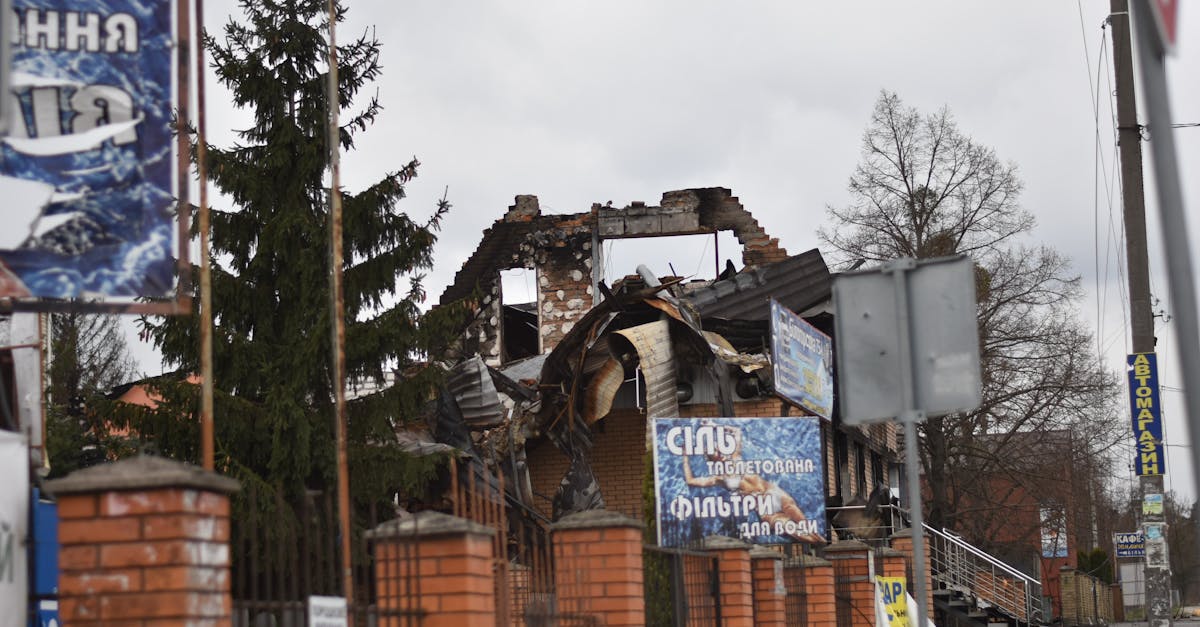
The Israeli military announced on Saturday that it successfully intercepted a volley of missiles launched from Iran towards Israeli territory. Medical and media sources reported that one person was injured, in addition to material damage recorded in several locations in the central part of the country.
In an official statement, the Israeli army confirmed that "air defense systems are working to intercept the threat" after detecting the missile launches from Iranian territory. The army explained that the defensive operations were effective, managing to minimize the damage caused by the attack.
Details of the Incident
The missile attack comes at a sensitive time, as tensions between Iran and Israel escalate, particularly amid the politically charged atmosphere in the region. The missiles were launched late Saturday evening, causing panic among residents in the targeted areas.
This incident is part of a series of reciprocal attacks between the two sides, with missile strikes from Iran increasing recently, raising concerns about a larger escalation in the regional conflict.
Background & Context
Historically, relations between Iran and Israel have been marked by increasing tensions, as Israel views Iran as an existential threat due to its nuclear program and support for armed groups in the region. These tensions have led to repeated military escalations, with both countries exchanging accusations of inciting violence.
In recent years, Iran has enhanced its military capabilities, including the development of long-range missiles, increasing the risk of attacks on Israel. In response, Israel continues to bolster its air defenses, including the Iron Dome system, which has proven effective in countering previous missile attacks.
Impact & Consequences
The recent attack could lead to heightened tensions between Iran and Israel, potentially affecting stability across the entire region. Moreover, military escalation may attract international interventions, especially from major powers seeking to maintain stability in the Middle East.
These events are likely to increase pressure on the Israeli government, which could impact its domestic and foreign policies. Additionally, international reactions may play a role in shaping upcoming events, as major countries strive to avoid a comprehensive military escalation.
Regional Significance
The events between Iran and Israel have a direct impact on Arab countries, as they could lead to new divisions in the region. The rising tensions may also affect peace and stability efforts in neighboring countries, such as Lebanon and Syria.
Concerns are growing that these escalations could lead to broader conflicts, threatening regional security and increasing the suffering of civilians in affected areas. Therefore, monitoring developments in this context is of utmost importance.
In conclusion, the situation in the region remains tense, and the international community must exert greater efforts to mitigate military escalation and ensure stability in the Middle East.