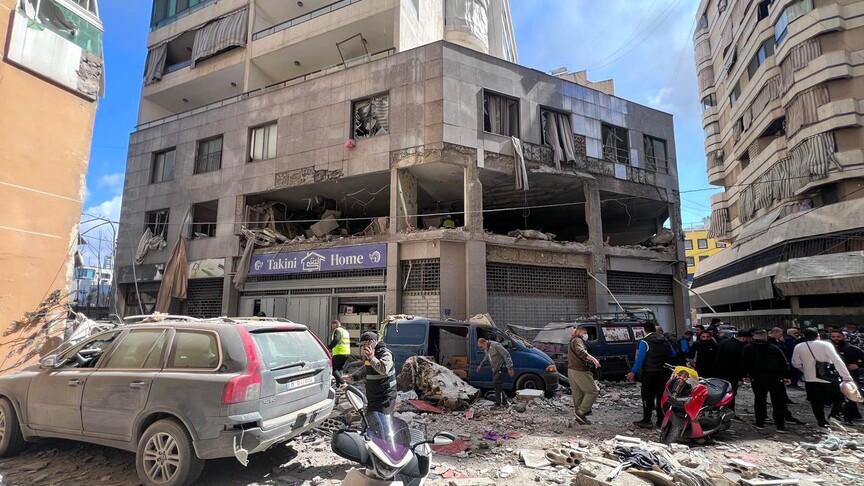
In an unexpected military escalation, Israeli forces executed strikes on over 100 locations in Lebanon, targeting various areas in Beirut, the Bekaa Valley, and southern Lebanon within a brief timeframe of just 10 minutes. This escalation comes on the heels of a ceasefire announcement between the United States and Iran, raising questions about the political and military implications of this attack.
The Israeli strikes, carried out intensively, resulted in substantial damage to infrastructure and property, further exacerbating tensions in the region. Military sources confirmed that the targets were associated with Hezbollah, which the Israeli occupation considers a primary threat to its security.
Details of the Attacks
Reports indicate that the attacks specifically targeted military sites and weapon depots, reflecting an Israeli strategy aimed at undermining Hezbollah's capabilities. The operations were executed using drones and missiles, showcasing the evolution of Israeli military capabilities in conducting rapid and precise operations.
These attacks coincided with an atmosphere of rising tension in the region, as attention was focused on the outcomes of negotiations between the United States and Iran. This escalation has raised concerns among many observers who view it as an Israeli attempt to exploit the current situation to achieve its military objectives.
Background & Context
Historically, relations between Israel and Lebanon have been marked by ongoing tensions, with Hezbollah being one of the most prominent armed factions in Lebanon. Israel has fought several wars against the group since 2000. These tensions have intensified in recent years with the increase of military activities in the region, including repeated Israeli strikes on sites in Syria and Lebanon.
In recent years, the region has witnessed significant political shifts, as nuclear negotiations between the United States and Iran have led to changes in regional dynamics. Nevertheless, it appears that Israel is striving to maintain its military superiority by conducting preemptive operations against any potential threats.
Impact & Consequences
These attacks raise questions about regional stability, as they could lead to further escalation in the conflict between Israel and Hezbollah. Additionally, these operations may impact relations among major powers, particularly given the existing tensions between the United States and Iran.
These developments are likely to provoke reactions from the international community, as some countries may seek to intervene to mitigate the escalation. However, the complex situation in the region makes it difficult to predict the next steps.
Regional Significance
This series of events serves as an indicator of rising military tensions in the region and their impact on regional stability. The situation underscores the delicate balance of power and the potential for conflict escalation that could have broader implications beyond the immediate area.
In conclusion, the recent Israeli strikes on Lebanon highlight the ongoing volatility in the region, emphasizing the need for diplomatic efforts to address the underlying issues and prevent further military confrontations.