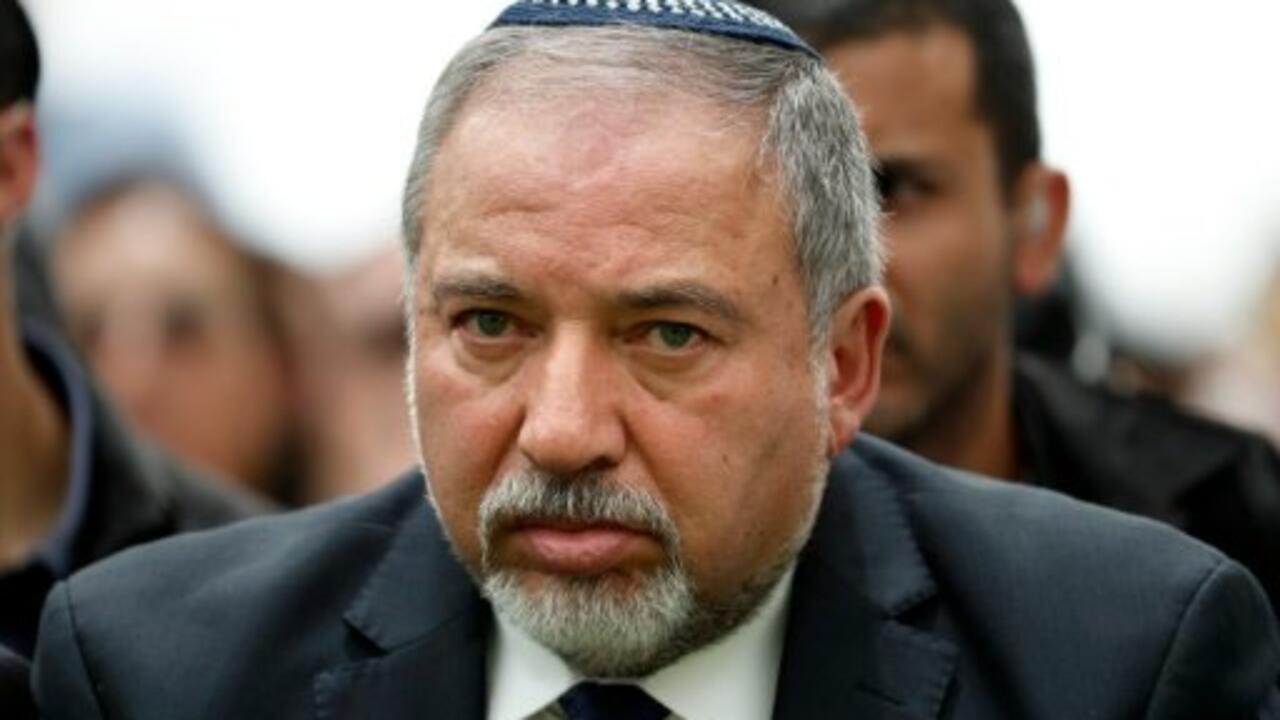
In a sharp development in relations between Israel and Germany, Israeli Foreign Minister Gideon Sa'ar criticized German Ambassador Steffen Seibert for a post on Social Media platform "X", which addressed the violence perpetrated by Israeli settlers against Palestinians. Sa'ar noted that Seibert struggles to condemn violent acts against Israelis without mentioning the Palestinian contexts, indicating a perceived imbalance in his stance.
In his post, Sa'ar stated, "It is good to know that a new ambassador will arrive soon – and he will certainly be someone who enhances German-Israeli relations," reflecting the tension between the two parties over this policy. The Israeli Foreign Ministry also expressed its dissatisfaction with Seibert's remarks, describing them as reflecting a lack of balance and bias.
Details of the Incident
These criticisms indicate an escalation in rhetoric between Israeli officials and German diplomats, following a sharp increase in violence committed by settlers in the West Bank. In this context, media discussions have intensified regarding the European stance on events in the Palestinian territories.
Ambassador Steffen Seibert, who took office in 2022, is known for his public stances on human rights issues, making him a target of political criticism that transcends discomfort and sensitivity on the topic. Many observers believe that these statements reflect a shift in Germany's diplomacy regarding the Israeli-Palestinian conflict, especially after strong responses to international calls for more pressure on Israel to curb settler assaults.
Background & Context
Germany is considered one of the most prominent European countries historically supporting Israel, making such comments from German officials of considerable interest. It is noteworthy that the relations between the two countries have seen increasing tensions amid repeated violations of Palestinian rights, as global indicators of humanitarian crises in the region can no longer be ignored.
Global reactions have been leaning toward pressuring Israel to adopt a more moderate approach to issues surrounding human rights, yet the reality on the ground shows a deteriorating situation due to continuous violations.
Impact & Consequences
These statements indicate their potential impact on diplomatic relations between Germany and Israel, which may also influence European positions toward the Palestinian-Israeli conflict. Direct criticism from German diplomats might exacerbate division within the Israeli government and increase pressure on policymakers in Tel Aviv to respond more flexibly.
As violence continues to escalate, any political or diplomatic moves could lead to further repercussions. The discussion surrounding the responsibility of European countries in dealing with aggressors and protecting human rights is a key point of contention in political arenas.
Regional Significance
These events open the door for further discussion regarding Arab nations' positions on ongoing assaults in the West Bank, and how they could unite to defend Palestinian rights. Shifts in European policies toward Israel may also prompt Arab countries to reconsider their strategies in dealing with the current situation.
Ultimately, it is clear that this conflict is not merely an issue between two states, but a struggle that transcends borders, involving many international actors. Therefore, this tension between Israel and Germany may have implications for security and peace in the region.