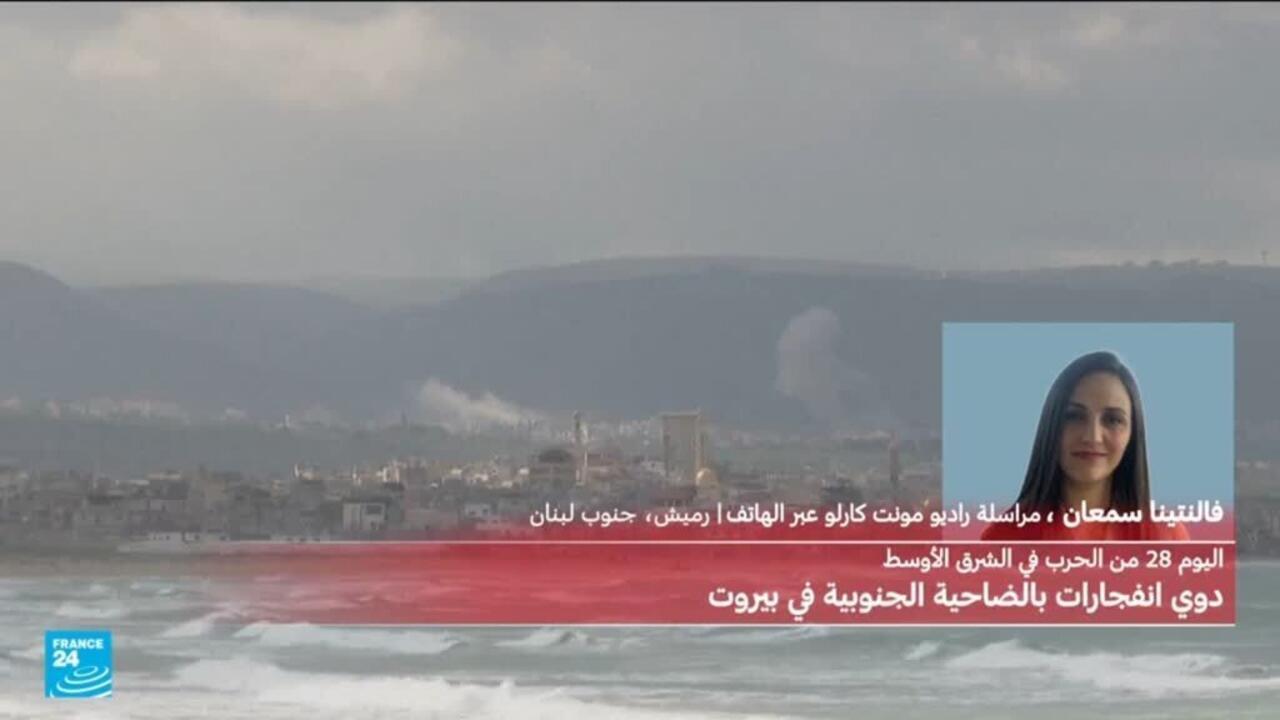
The pace of the Israeli army's ground incursion in the western sector of southern Lebanon has accelerated, with reports from Monte Carlo International Radio correspondent Valentina Semaan indicating a significant escalation in clashes between Israeli forces and Hezbollah. In this context, Hezbollah announced it was engaged in direct confrontations with Israeli troops in two villages located near the Lebanese-Israeli border, reflecting the rising tensions in the region.
Simultaneously, Israeli forces continue to carry out airstrikes on several areas in southern Lebanon, leading to the deaths of at least six people, according to the Lebanese Ministry of Health. These events occur amidst an increasing military escalation between the two sides, as each seeks to achieve its strategic objectives in the region.
Details of the Incident
Reports indicate that the Israeli army has commenced new incursion operations in multiple areas of southern Lebanon, raising concerns about a larger escalation in the ongoing conflict. The two villages that experienced the clashes witnessed heavy gunfire exchanges, resulting in injuries among both civilians and combatants.
These developments come at a sensitive time, as international pressure mounts on the involved parties to de-escalate the situation. However, it appears that both the Israeli army and Hezbollah are determined to achieve their goals, increasing the likelihood of further violence in the coming days.
Background & Context
Historically, southern Lebanon has experienced ongoing tensions between the Israeli army and Hezbollah, especially following the 2006 war that resulted in widespread devastation. Since then, Hezbollah has maintained its military presence in the region, establishing itself as a key player in the Lebanese-Israeli conflict.
In recent years, the Lebanese-Israeli border has seen numerous military incidents, with Israeli forces and Hezbollah exchanging accusations of violating the ceasefire. As regional tensions escalate, these clashes pose a threat to regional security, necessitating international attention.
Impact & Consequences
The current escalation between the Israeli army and Hezbollah carries serious implications for security and stability in Lebanon and the region. With increasing military pressures, civilian areas may suffer further damage, exacerbating the humanitarian plight of local populations.
Moreover, this escalation could lead to new international interventions as major powers seek to calm the situation. However, history shows that such interventions may not always be effective, complicating the situation further.
Regional Significance
The ongoing events in southern Lebanon are part of a larger picture of conflicts in the Arab region, where political and military interests intersect. The continuation of the conflict between Israel and Hezbollah may impact relations between Arab states and Israel, especially amid normalization attempts by some countries.
Ultimately, the situation in southern Lebanon reflects the ongoing challenges facing the region and underscores the urgent need for comprehensive political solutions aimed at achieving peace and stability.