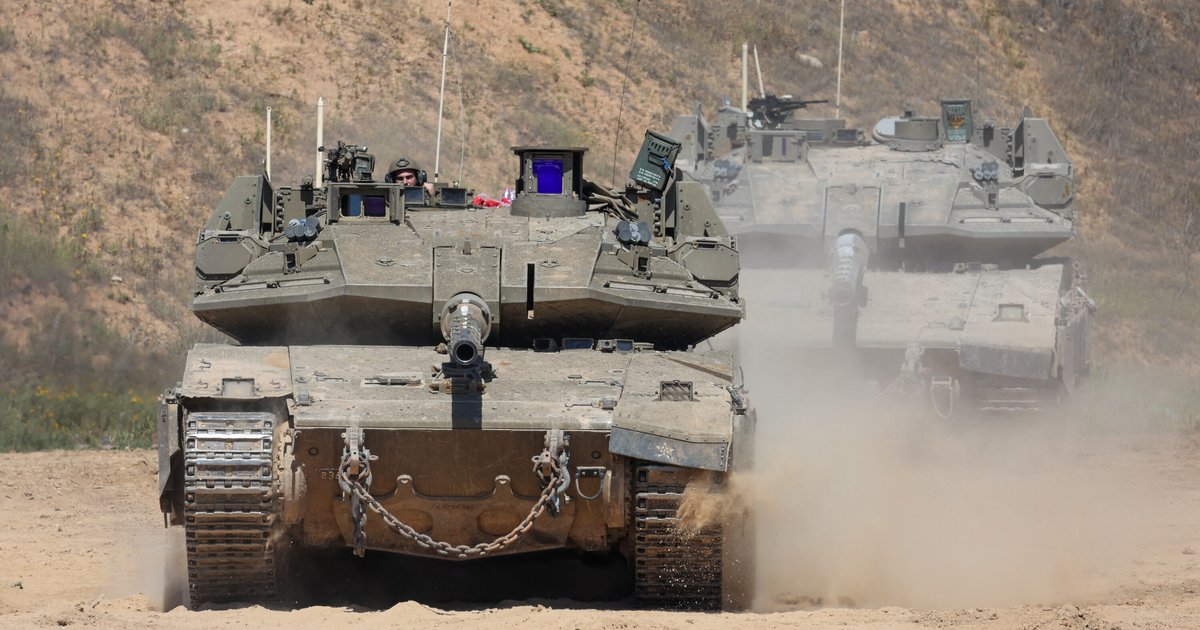
The Israeli Knesset has approved the 2026 budget, which includes a significant increase in defense spending, reflecting the country's growing security concerns. This decision comes amid rising regional tensions and security threats, marking the highest level of defense spending in Israel's history.
The new budget allocates approximately 100 billion shekels (around 28 billion dollars) to the defense sector, demonstrating the Israeli government's commitment to enhancing its military capabilities in the face of increasing challenges. The budget was passed with a substantial majority, reflecting a consensus among political parties on the importance of national security.
Details of the Budget
The new budget includes an increase in the number of soldiers and an expansion of defense programs, including the development of missile defense systems and the enhancement of air capabilities. Additional funds have also been allocated for research and development projects in the military sector, reflecting the government's focus on technological innovation in defense.
This budget comes at a sensitive time, as the region is witnessing escalating tensions, particularly with the ongoing Israeli-Palestinian conflict and increasing military activities in Lebanon and Syria. The Israeli government has deemed this budget essential to ensure the country's security and stability under the current circumstances.
Background & Context
Historically, Israel has seen repeated increases in its defense budget, especially during times of crisis. Since its establishment, security challenges have been an integral part of its existence, prompting successive governments to allocate substantial resources for security and defense. In recent years, threats from armed groups in Gaza and Hezbollah in Lebanon have intensified, increasing pressure on the government to bolster its military capabilities.
Furthermore, tensions with Iran, which Israel views as an existential threat, have contributed to the government's push for increased defense spending. In this context, the new budget is seen as a strategic move aimed at enhancing Israeli deterrence in the face of regional challenges.
Impact & Consequences
This budget is expected to significantly impact Israel's relations with its neighbors, potentially raising concerns about an arms race in the region. Additionally, the increase in defense spending may affect social and economic budgets, raising questions about the priorities of the Israeli government.
Moreover, this move could escalate tensions with the Palestinians, as it may be perceived as a continuation of Israeli military policies in the occupied territories. Consequently, it may have implications for peace efforts in a region already suffering from stagnation.
Regional Significance
The new Israeli defense budget serves as an indicator of military trends in the region, potentially prompting reactions from neighboring Arab countries. Given the current circumstances, some nations may seek to enhance their military capabilities to address potential threats.
This step may also affect Israel's relations with Arab countries seeking normalization, as it could raise concerns about escalating military tensions. At the same time, it may strengthen the position of countries opposing Israeli policies, further complicating the regional landscape.
In conclusion, the new Israeli defense budget reflects the increasing security challenges facing the country and highlights the importance of security in Israeli politics. However, the potential ramifications of this move could be far-reaching, both regionally and internationally.