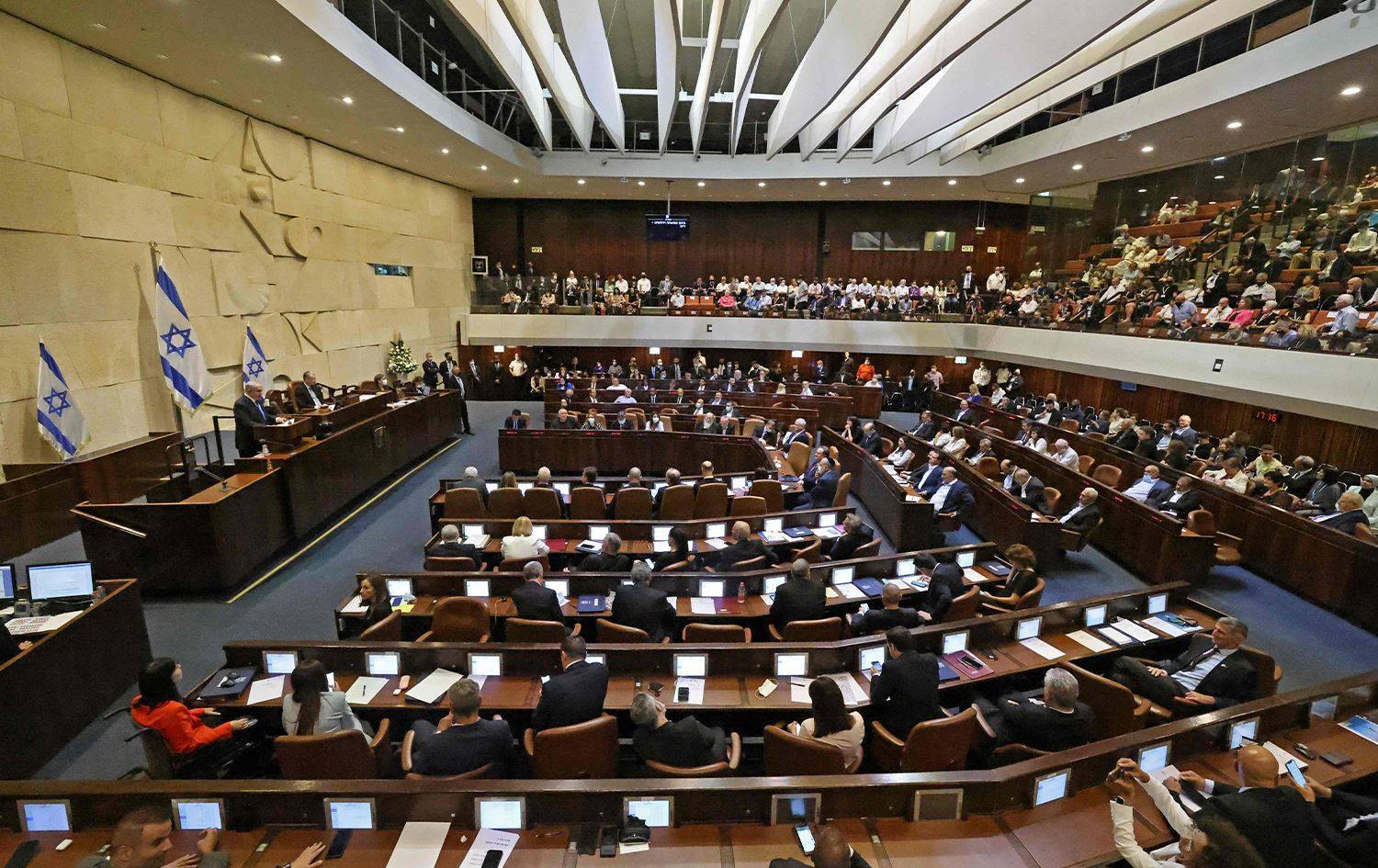
The Israeli parliament, known as the Knesset, has approved the 2026 budget, which features a substantial increase in military spending as Israel continues to engage in multiple front wars. Knesset members passed the budget with a majority of 62 votes to 55, highlighting a clear division in opinions regarding government priorities.
In an official statement, the Knesset leadership announced that the new budget includes an addition of over 30 billion shekels (approximately 10 billion dollars) to the Ministry of Defense budget, bringing total military spending to over 142 billion shekels. This allocation marks a record budget for the Ministry of Defense, with the proposed total expenditure for 2026 estimated at around 850 billion shekels, equivalent to nearly 270 billion dollars.
Details of the Event
The vote on the budget came after a Knesset session was interrupted by the sound of air raid sirens in Jerusalem, forcing lawmakers to seek shelter until the alert was lifted. The leader of the Israeli opposition, Yair Lapid, described the budget as "the largest theft in the country’s history," reflecting widespread criticism faced by the current government.
Passing this budget allows Prime Minister Benjamin Netanyahu's government to avoid early elections under the current circumstances, as the war Israel is waging in cooperation with the United States against Iran continues, now involving around 10 Arab countries.
Background & Context
On March 15, the Israeli press reported that the government approved an emergency allocation of 827 million dollars for purchasing weapons related to the war against Iran, in response to urgent needs arising from the changing situation in the Middle East. This move comes at a time when the region is experiencing escalating military tensions, increasing pressure on the Israeli government.
Historically, Israel has seen repeated increases in its military budget, especially in light of growing security threats from its neighbors. However, this significant increase in defense spending may negatively impact the budgets of other ministries, as budgets for education, health, and social services are expected to shrink by 3%.
Impact & Consequences
This increase in military spending is seen as an indicator of Israel's ongoing policy to enhance its defensive capabilities, particularly amid rising regional threats. Additionally, this budget reflects the political trends of the current government, which seeks to strengthen its position in the face of security challenges.
Some analyses predict that this budget will exacerbate economic and social conditions in Israel, as cuts to other ministries' budgets will affect services provided to citizens. At the same time, this increase in military spending may heighten tensions with neighboring countries, threatening regional stability.
Regional Significance
This budget serves as a clear message to neighboring Arab countries, reflecting Israel's readiness to confront any potential threats. Amid increasing tensions in the region, this move could escalate conflicts, particularly given the ongoing war against Iran.
It is crucial for Arab nations to monitor these developments, as they may impact their security and military strategies. Furthermore, this budget could bolster the positions of certain armed groups in the region, complicating the security landscape.
In conclusion, the Israeli budget for 2026 reflects the ongoing security challenges facing the country and highlights the current government's priorities in enhancing its military capabilities, raising concerns in the region and complicating Israeli-Arab relations.