In a controversial move, the Israeli Knesset approved a law on Monday imposing the death penalty by hanging as a potential punishment for Palestinians convicted of killing Israelis. The law was supported by 62 out of 120 lawmakers, including Prime Minister Benjamin Netanyahu, who relies on the backing of far-right parties.
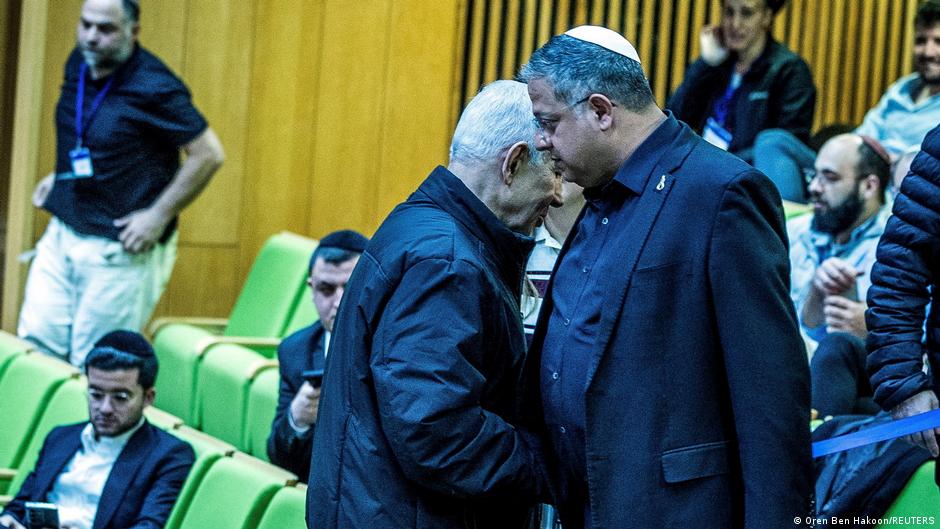
The National Security Minister, Itamar Ben Gvir, representing an extremist nationalist party, stated that this law represents a radical change in the rules of engagement, asserting that "those who kill Jews will not continue to breathe and enjoy prison conditions." Ben Gvir celebrated with fellow lawmakers in the Knesset after the vote, reflecting the significance of this step for them.
Details of the Legislation
The new law has raised widespread concern among Israeli and Palestinian human rights organizations, which consider this measure to be a form of racial and cruel discrimination. These organizations criticized the law, indicating that it is unlikely to deter attacks by Palestinians and that Israel lacks legal jurisdiction over the occupied Palestinian territories.
In a strong reaction, the Palestinian presidency condemned the law, deeming it a "war crime," emphasizing that such laws will not break the will of the Palestinian people or diminish their resilience in the face of occupation. They reiterated that the Palestinian people will continue their legitimate struggle for freedom and independence.
Background & Context
Historically, the death penalty has been a contentious issue in Israel, where it has been executed in very rare cases. However, the rise in violence and conflict between Israelis and Palestinians in recent years has brought this issue back to the forefront. This law comes at a time when the conflict is experiencing ongoing escalation, complicating the situation in the region.
The new law is part of Netanyahu's alliance with far-right parties, which seek to impose stricter policies towards Palestinians. This alliance has raised fears of escalating tensions in the region, especially amid ongoing Israeli violations in the occupied territories.
Impact & Consequences
This law is expected to face legal challenges in the Israeli Supreme Court, as many legal experts believe that the law may be unconstitutional in several aspects. An Israeli human rights organization has already announced that it has filed a petition with the Supreme Court to annul this law, indicating that the legal battle over this legislation may be long and complex.
At the same time, this law could lead to an escalation of violence in the region, as it may be used as a pretext for further military operations against Palestinians. Additionally, it could negatively impact Israel's international relations, as this measure is viewed as a violation of human rights.
Regional Significance
This law serves as a wake-up call for Arab countries, reflecting the rise of extremism in Israeli policies towards Palestinians. It may contribute to increasing tensions between Arab nations and Israel, especially given the current instability in the region.
Ultimately, the question remains about how this law will affect the future of the Israeli-Palestinian conflict and whether it will lead to further violence or motivate the international community to pressure Israel to halt its violations.