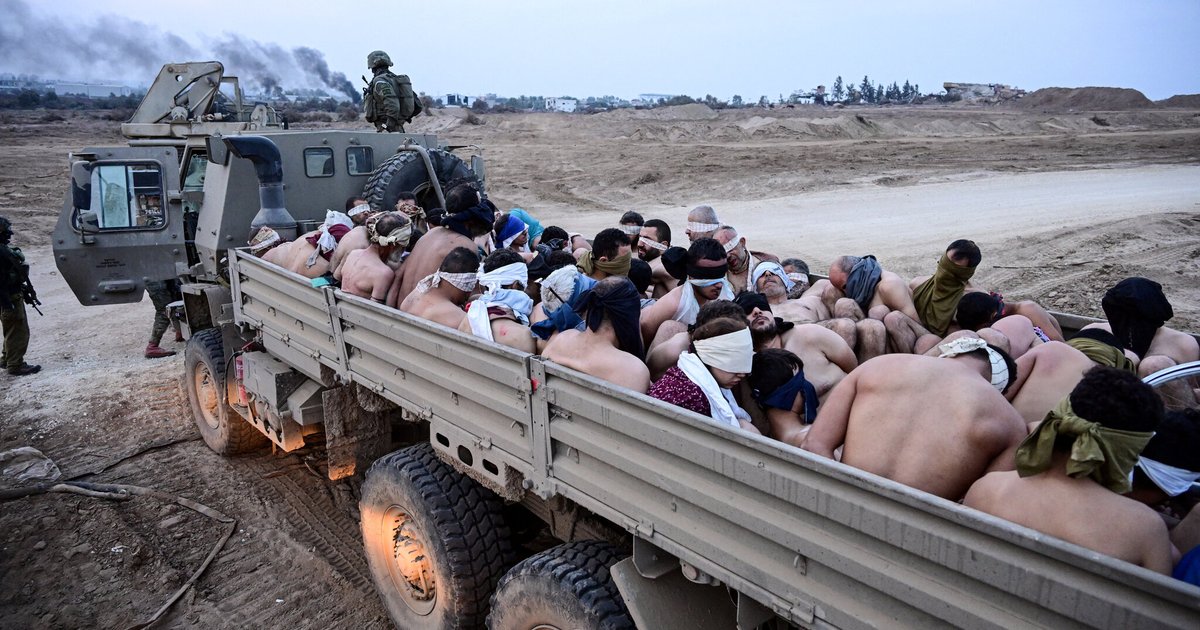
The recently passed Israeli law allowing for the "execution of prisoners" has triggered a wave of condemnation and outrage within Arab and international circles. Many observers consider this law to be a gross violation of human rights, reflecting the repressive policies adopted by the Israeli government against Palestinians.
As calls to halt this law grow louder, the United States has expressed its support for the measure, which has sparked widespread discontent in the Arab world. Washington argues that this law is part of defending Israeli security, a justification that many view as unacceptable in light of the rights of Palestinian prisoners.
Details of the Law
The law allows Israeli authorities to carry out the death penalty on prisoners convicted of security-related crimes, raising significant concerns about its implementation. This legislation comes at a sensitive time, as tensions between Palestinians and Israelis are escalating, complicating the situation in the region further.
It is noteworthy that this law was passed with a slim majority in the Knesset, reflecting the political divide within Israeli society regarding human rights issues. The law has faced strong opposition from human rights organizations, which argue that its implementation will exacerbate humanitarian conditions in the occupied Palestinian territories.
Background & Context
Historically, the Palestinian issue has seen numerous laws and policies aimed at suppressing Palestinian rights, but the execution law represents an unprecedented step in this direction. While death sentences have been carried out in rare cases, this law officially legitimizes such actions and gives Israeli authorities a green light to implement it more broadly.
This law emerges amid rising violence in the Palestinian territories, where attacks and arrests by Israeli forces have increased, heightening feelings of frustration and anger among Palestinians. International organizations have warned that this law could worsen security conditions and escalate violence.
Impact & Consequences
The execution law is expected to have negative effects on humanitarian conditions in the Palestinian territories, increasing fear and anxiety among prisoners and their families. Furthermore, this law may lead to heightened protests and demonstrations in the occupied territories, complicating the security situation further.
Additionally, U.S. support for this law could adversely affect American relations with Arab countries, as many view this stance as a clear bias towards Israeli occupation at the expense of Palestinian rights. This may lead to increased tensions in diplomatic relations between the United States and Arab nations.
Regional Significance
The law allowing for the execution of Palestinian prisoners poses a significant challenge to international efforts aimed at achieving peace in the region. The continued violation of Palestinian rights will exacerbate humanitarian conditions and deepen polarization among the involved parties.
This law could also impact political movements in the region, prompting Arab nations to reassess their relationships with Israel and the United States. This may escalate political stances and increase pressure on the international community to intervene to protect Palestinian rights.
In conclusion, the law allowing for the execution of Palestinian prisoners remains a contentious issue that requires a concerted effort from both international and local stakeholders to mitigate its negative repercussions and work towards achieving justice and peace in the region.