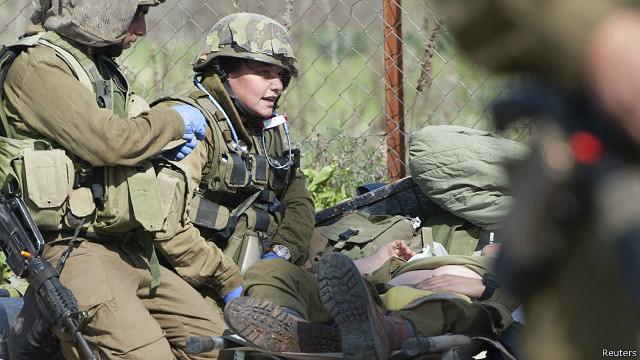
In a serious development, the Israeli military has acknowledged that an Israeli farmer named Ofer Moskowitz, who was killed in the village of Misgav Am yesterday, was the victim of Israeli fire, not an attack by Hezbollah as initially claimed.
Ofer, who was 60 years old, fell victim to a situation that has sparked significant contradictions in the official Israeli narrative. The army initially asserted that his death was due to a missile fired from Lebanon, raising concerns over escalating security tensions along the northern border. However, after a preliminary investigation, the family was informed that the gunfire that led to Ofer's death was a result of internal errors.
Details of the Incident
The incident occurred in an area commonly considered safe, where Ofer was engaging in his agricultural activities as usual. This news has affected many families in the region, as he derived his livelihood from farming.
Following the incident, the Israeli military initiated inquiries into what transpired, indicating internal concerns about how such a mistake could have occurred. The preliminary nature of the issue demonstrates how soldiers or commanders can misjudge situations, leading to severe consequences.
Background & Context
This incident comes amid ongoing tensions along the Lebanese-Israeli border, where Hezbollah attacks and missiles continue to pose a persistent threat, putting Israeli security to the test. The history of the border between Lebanon and Israel is filled with ongoing conflicts, particularly in areas like Misgav Am.
This region has also seen an escalation in military presence in recent years, adding more complexity to the situation. This incident serves as a wake-up call regarding the security status in the area and the importance of ensuring the accuracy of the information disseminated to the public.
Impact & Consequences
The admission of error by the Israeli military may significantly impact the image of the armed forces in the eyes of Israeli citizens, potentially raising questions regarding efficiency and professionalism. Simultaneously, this incident may foster anti-military sentiments in some circles due to a loss of trust. If mistakes continue, they could lead to a lack of confidence in military leadership.
This incident might also affect Israeli-Lebanese relations, which could increase mutual tensions in the area. Under these circumstances, the Israeli armed forces must reassess their strategies and procedures to prevent such incidents from happening again.
Regional Significance
The ramifications of the incident have broader implications for the Arab region, highlighting the need to enhance security and investigations into unintentional fire incidents. Events like this remind us that peace and security cannot be secured solely through military measures but require ongoing, open dialogue between the involved parties.
Incidents involving friendly fire are sensitive matters that directly impact public security. Strengthening the links between both Lebanese and Israeli sides through dialogue could pave the way for better future relations based on peace and security.