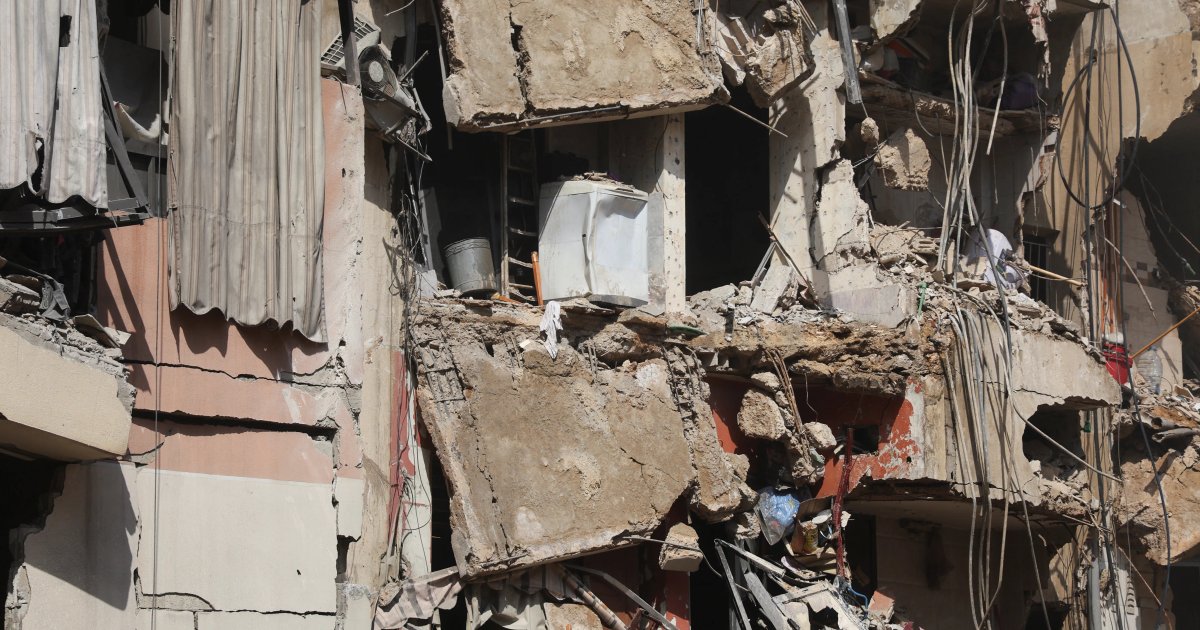
The Israeli army announced the death of a soldier from the armored corps during clashes with Hezbollah in the western sector of southern Lebanon. This brings the total number of Israeli soldiers killed in recent ground operations within Lebanese territory to six.
These clashes come at a time when tensions between Israel and Hezbollah are escalating, with a noticeable increase in hostilities along the border between the two countries in recent days. This escalation reflects the tense situation in the region, which could lead to greater implications for regional security.
Details of the Incident
According to reports, the clashes occurred in an area considered a hot spot between Israeli forces and Hezbollah. Heavy weaponry was used, resulting in casualties on both sides. Local sources reported that the fighting lasted for an extended period, reflecting the intensity of the ongoing conflict.
The Israeli army did not provide specific details regarding the circumstances surrounding the soldier's death but confirmed the continuation of military operations in the area. This is part of an Israeli strategy aimed at countering security threats from Hezbollah, which the Israeli army considers one of its primary adversaries in the region.
Background & Context
Historically, the Lebanese-Israeli border has witnessed numerous armed conflicts, with Hezbollah being a major force in Lebanon resisting Israeli occupation. Since 2006, when the Second Lebanon War broke out, the intensity of clashes between the two sides has increased, resulting in significant loss of life and property destruction.
In recent years, tensions have escalated due to regional conflicts, including the war in Syria, where Hezbollah has played a prominent role in supporting the Syrian regime. This situation has complicated relations between Israel and Hezbollah, making the border area a zone of perpetual tension.
Impact & Consequences
The death of the Israeli soldier could lead to greater escalation in military operations by the Israeli army, increasing the likelihood of a full-scale war. Additionally, this incident may affect the morale of Israeli forces and increase pressure on the Israeli government to take more severe actions against Hezbollah.
On the other hand, Hezbollah may exploit this event to strengthen its position within Lebanon, potentially leading to increased popular support. Furthermore, the military escalation could negatively impact the humanitarian situation in the region, where civilians live under constant pressure from armed conflicts.
Regional Significance
This escalation in clashes between Israel and Hezbollah may have far-reaching effects on regional security. The conflict between the two parties can impact the stability of Lebanon and may have repercussions for neighboring countries such as Syria and Palestine.
Moreover, the tense situation could affect peace efforts in the region, as political talks may stall due to rising violence. At the same time, some regional powers may exploit the situation to enhance their influence in the area, further complicating the circumstances.
In conclusion, the situation in southern Lebanon remains under close observation, as any further escalation could lead to serious repercussions for regional security.