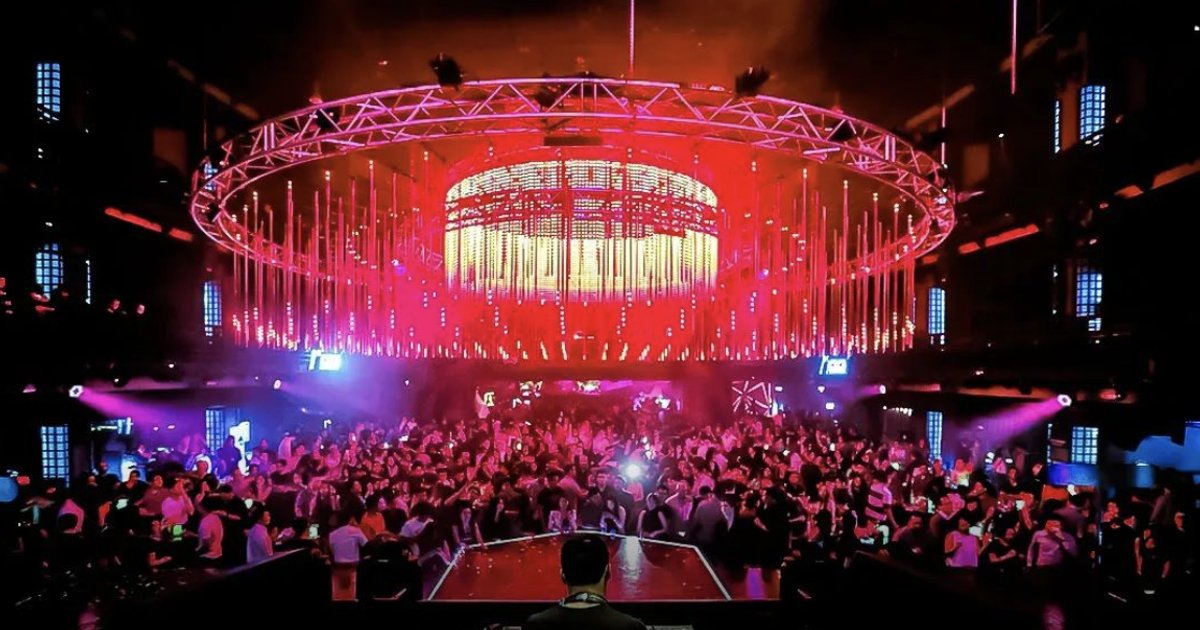
The Investment Management and Licensing Services Unit in South Jakarta (UP PM-PTSP) has announced the issuance of 208 licenses for disco clubs from 2022 to 2026. The head of the unit, Indarini Ikaningtyas, confirmed that these licenses were registered through the integrated electronic licensing system known as OSS (Online Single Submission).
The details of the licenses include 130 licenses focused on beverage service, 68 licenses dedicated to dance facilities, and 10 licenses specifically for organizing musical events. Additionally, approximately 1300 licenses for bars were registered in South Jakarta during the same period.
Details of the Licensing Process
Data shows that the issuance of licenses for disco clubs and bars has experienced significant fluctuations between 2021 and 2026. At the beginning of 2026, 101 new licenses for disco clubs and bars were recorded. Indarini explained that the PTSP unit plays an administrative role in processing licensing requests, while the responsibility for supervision and oversight lies with the government of the DKI Jakarta province.
She emphasized that PTSP does not take direct responsibility for supervision but receives reports of violations from relevant authorities or citizen complaints. The unit is awaiting applications from business owners, as technical authorities inform them of the necessity to obtain licenses.
Background & Context
Jakarta is considered one of the largest cities in Southeast Asia, witnessing rapid growth in the entertainment sector. For years, the city has become a hub for nightlife activities, leading to an increased demand for disco club and bar licenses. This growth reflects cultural and social changes in Indonesian society, as young people seek new entertainment venues.
Historically, Jakarta has undergone significant changes in its entertainment policies, with strict restrictions on nightlife activities. However, the trend towards openness to tourism and entertainment has led to an increase in the number of licenses granted.
Impact & Consequences
The potential implications of this growth in the number of licenses include economic and social effects. Economically, the flourishing entertainment sector can contribute to creating new job opportunities and increasing tax revenues for the government. Furthermore, the increase in entertainment venues may enhance tourism in the city.
Socially, this growth may lead to changes in the lifestyle of young people, as they gain more options for entertainment. However, these changes may raise concerns about public safety and security, necessitating the government to strengthen oversight of these activities.
Regional Significance
Jakarta's experience in regulating the entertainment sector serves as a model that some Arab countries seeking to develop their tourism can benefit from. With the growing interest in nightlife entertainment in some Arab cities, this experience can provide valuable lessons on how to manage licensing and oversight.
In conclusion, the issuance of 208 licenses for disco clubs in Jakarta signifies a major transformation in the city's entertainment sector, reflecting the social and economic changes in Indonesian society.