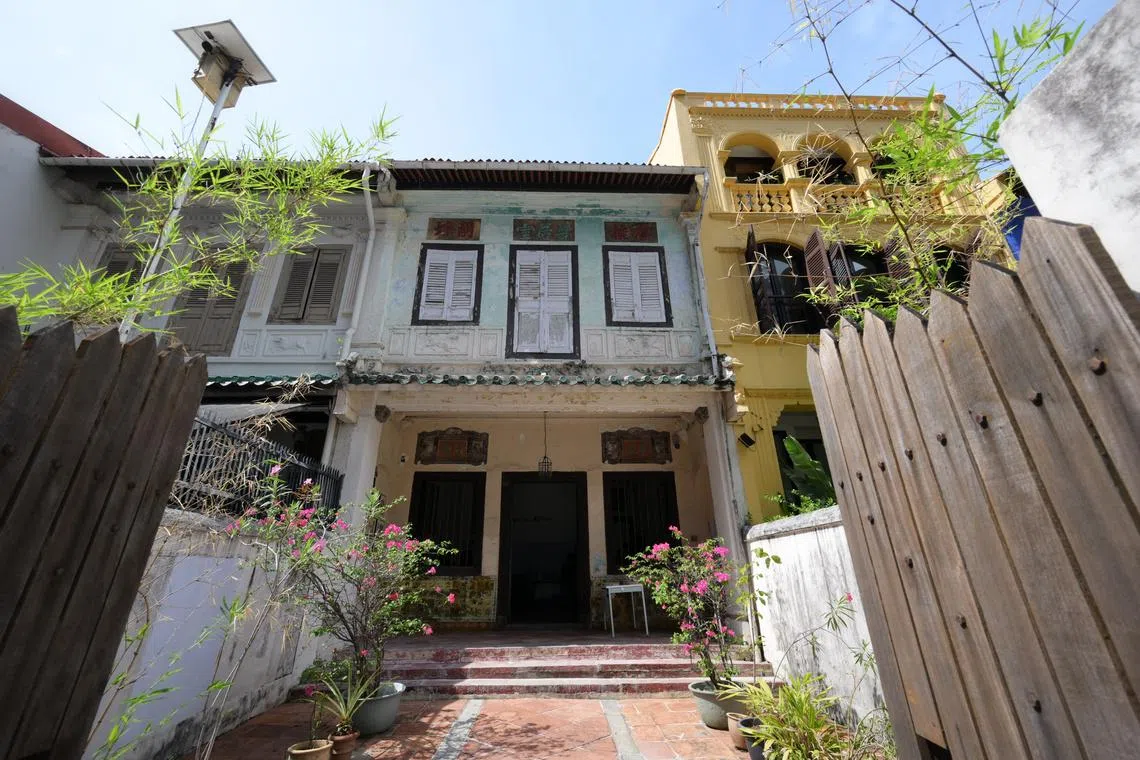
Singapore has launched an innovative project to convert a historic house located at 141 Neil Road into the country's first self-powered heritage building. This house, which houses the architectural conservation lab of the National University of Singapore, represents a significant step towards achieving environmental sustainability goals.
The project aims to integrate renewable energy technologies into the building's design, allowing it to generate the necessary energy for its independent operation. This transformation is part of Singapore's vision to become a smart and sustainable city, as the government seeks to reduce reliance on traditional energy sources.
Event Details
The house at 141 Neil Road is a magnificent example of historical architecture in Singapore, dating back several decades. Thanks to its prime location, it currently serves as a laboratory for architectural conservation, making it a meeting point between the past and the present.
The project will include the installation of solar energy systems, upgrading thermal insulation, and using modern technologies to improve energy efficiency. This transformation will enhance the building's ability to preserve its cultural heritage while meeting the demands of the modern age.
Background & Context
For years, Singapore has been striving to promote environmental sustainability, launching numerous initiatives aimed at reducing its carbon footprint. In recent years, the country has witnessed a surge in sustainable construction projects, reflecting the government's commitment to developing a green urban environment.
These steps coincide with a global trend towards the use of renewable energy, as many countries seek to reduce their dependence on fossil fuels. This project in Singapore serves as a model for how to integrate history with technological innovation.
Impact & Consequences
This project represents a significant shift in how cities approach architectural heritage, potentially inspiring other countries in the region and around the world to adopt similar practices. By incorporating renewable energy into historic buildings, cultural heritage can be preserved while promoting sustainability.
The success of this project may also lead to increased awareness of the importance of environmental preservation, encouraging more initiatives in this direction. This project can be seen as a model for achieving a balance between urban development and maintaining cultural identity.
Regional Significance
In light of the environmental challenges facing many Arab countries, this project in Singapore can be considered an exemplary model. Arab nations are also striving to enhance sustainability, especially in light of climate changes affecting the region.
Arab countries can benefit from global experiences in integrating renewable energy into historic buildings, thereby enhancing their efforts to preserve cultural and environmental heritage. Adopting such initiatives can contribute to achieving sustainable development in the region.
In conclusion, the project to transform the house at 141 Neil Road into a self-powered heritage building is a pioneering step in the field of sustainability, reflecting Singapore's commitment to preserving its cultural heritage while moving towards a more sustainable future.