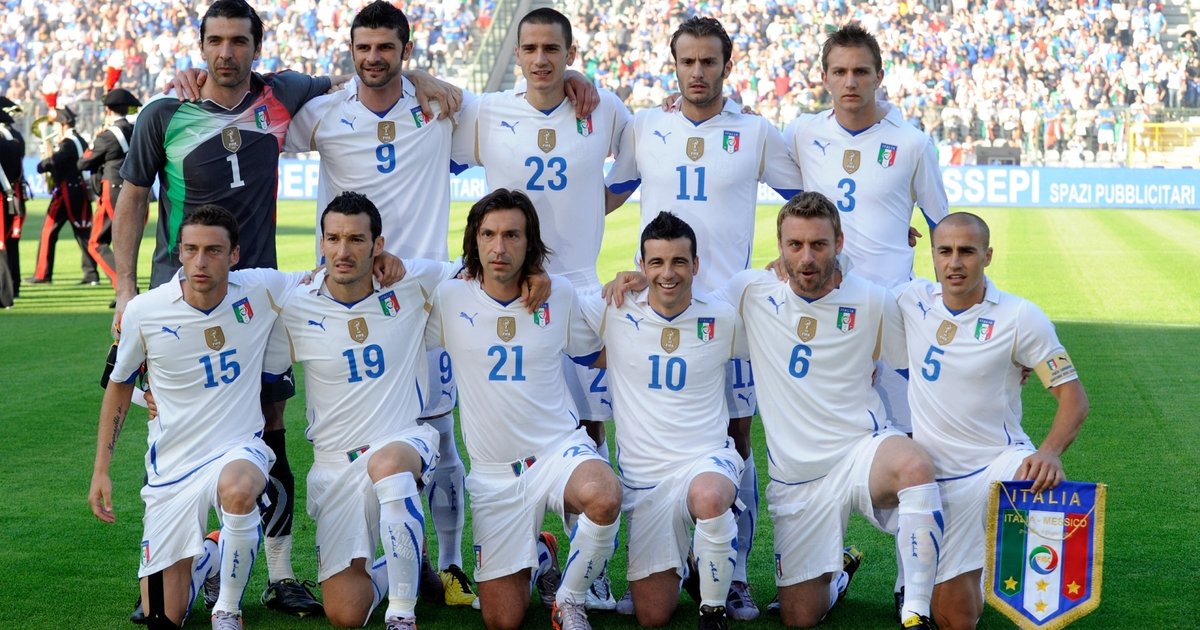
The Italian national team has failed to qualify for the World Cup for the third consecutive time after losing to Bosnia and Herzegovina in a penalty shootout (1-4) during a crucial match last Tuesday at the Bilino Polje Stadium. This defeat came after the two teams drew 1-1 in regular time, which raised questions about the players' mental state leading up to the match.
A report from the Italian newspaper "La Repubblica" indicated that the players of the "Azzurri" demanded substantial financial bonuses from the football federation in the event of qualifying for the World Cup. This request created a tense atmosphere among the players while they were in Zenica, as they began inquiring about the expected bonuses in case of victory.
Details of the Event
The discussions regarding financial bonuses revolved around an amount close to 300,000 euros (approximately 324,000 dollars), which would be divided among 28 players, meaning each player would receive more than 10,000 euros (around 10,800 dollars). These demands raised concerns among the coaching staff, as the newspaper considered that this request came at an inappropriate time.
The coach of the Italian national team, Gennaro Gattuso, who was later dismissed, tried to persuade the players to retract their demands, emphasizing the importance of focusing on the match rather than thinking about bonuses. However, it seems that the mental state of some players was significantly affected, which reflected on their performance in the match.
Background & Context
Historically, Italy has been one of the strongest teams in global football, having won four World Cup titles. However, failing to qualify for the World Cup in three consecutive editions is a significant shock for Italian football fans. These results reflect the challenges facing Italian football in recent years, including poor performance in the qualifiers.
The last match was an opportunity to revive Italy's hopes of returning to the global stage, but psychological pressures and financial demands negatively impacted the players' performance. These events raise questions about how major teams manage players under such circumstances.
Impact & Consequences
Italy's exit from the qualifiers means that the team will miss the 2026 World Cup, which intensifies the pressure on the Italian Football Federation to rebuild the team and improve performance. These results could lead to radical changes in the coaching staff, as well as a reassessment of training and development strategies for young players.
This loss may also affect the image of Italian football globally, as Italy has always represented a model of success in the game. Italian fans feel a significant disappointment, which could affect their support for the national team in the future.
Regional Significance
Football is an essential part of the culture in many Arab countries, and the results of major teams like Italy can impact football fans in the region. Arab fans passionately follow global tournaments, and Italy's exit could shift the balance of power in the football world.
Moreover, these events highlight the importance of psychological and managerial support for players, a lesson that Arab teams can benefit from in developing their performance and achieving success in upcoming tournaments.
In conclusion, football remains a game full of surprises, and these events demonstrate the importance of psychological and technical preparation before crucial matches. Italy now faces a new challenge to rebuild its team and achieve success in the future.