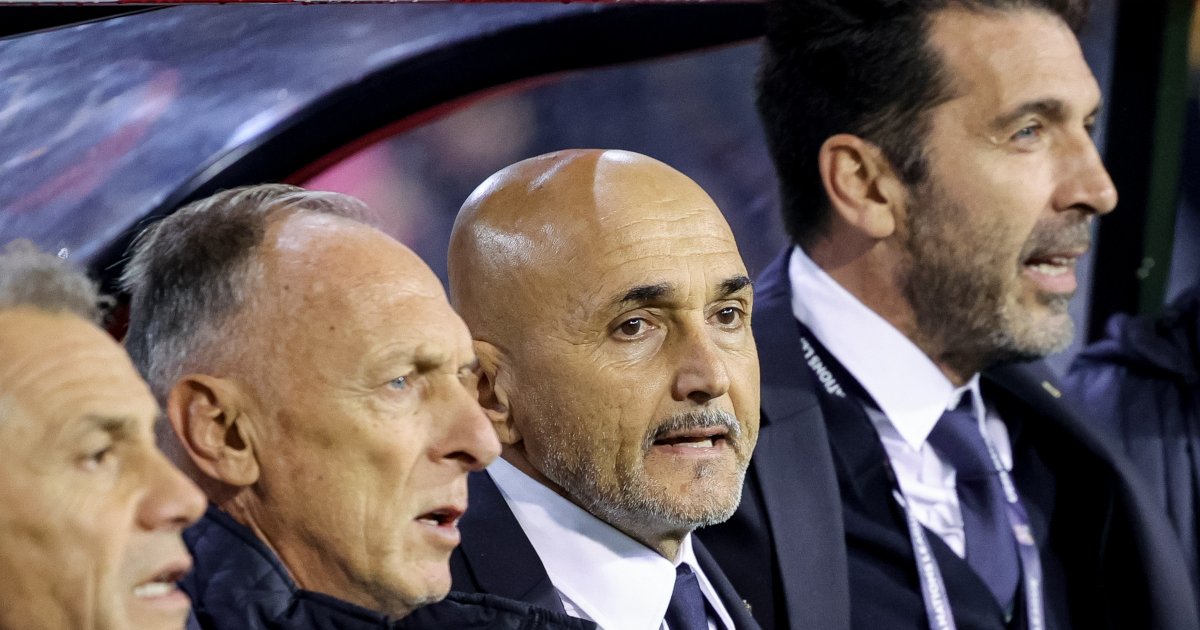
The future of Gennaro Gattuso as the coach of the Italian national team appears uncertain after the team failed to qualify for the 2026 World Cup, suffering a painful loss in the playoff final against Bosnia and Herzegovina. This failure marks the third consecutive absence of the Azzurri from the World Cup, raising questions about the future of the national team.
This setback is a harsh blow to Italian football, which has long been one of the powerhouses in the world of football, having won the World Cup four times. The failure to qualify reflects a crisis in performance and results, necessitating a comprehensive reevaluation of the administrative and technical structure of the team.
Details of the Event
With increasing doubts about Gattuso's future, Italian media have begun circulating names of several candidates to take over the national team. Among the names mentioned is Roberto Mancini, who led the team to victory in the Euro 2020. His return could represent continuity for the team, especially under the current challenging circumstances.
On the other hand, Antonio Conte, the current coach of Napoli, is another option, but his return may face difficulties due to his commitments to his current club. Other names include Massimiliano Allegri, who is experiencing a second stint with AC Milan, but he would need to find a way to balance both roles.
Background & Context
Historically, the Italian national team has been one of the most prominent teams in the world of football, achieving significant successes in international tournaments. However, the failure to qualify for the World Cup reflects a decline in performance and results, prompting a reconsideration of training and development strategies. Italy's absence from the World Cup raises concerns among fans and analysts, who see an urgent need for a rebuild of the team.
Pressure is mounting on the Italian Football Federation to present a clear plan to revive the national team, especially with the UEFA Nations League approaching. The challenges facing the team require strong leadership and a strategic vision to navigate this difficult phase.
Impact & Consequences
The impact of this failure extends beyond football, reflecting a sense of frustration within Italian society. Italy's absence from the World Cup also signifies a decline in the country's sporting identity, necessitating swift action from officials to rebuild trust in the national team.
The upcoming phase requires investment in developing young players and updating training methods to ensure Italy's return to competing at the highest levels. The failure to qualify could serve as a catalyst for a radical change in the management of the game in the country.
Regional Significance
Football in Italy garners significant interest in the Arab world, where many follow European matches and tournaments. The failure of the Italian national team to qualify for the World Cup may affect its fans in the region, who had hoped to see their team competing at the highest levels.
Additionally, potential changes in the coaching staff may open doors for new opportunities for Arab coaches in the future, reflecting the importance of developing talent in the region.
In conclusion, the failure to qualify for the World Cup presents a significant challenge for Italian football, and the national team needs a comprehensive reevaluation to ensure a return to competition. The next phase requires strong leadership and a strategic vision to rebuild the team and restore the Italian identity in the world of football.