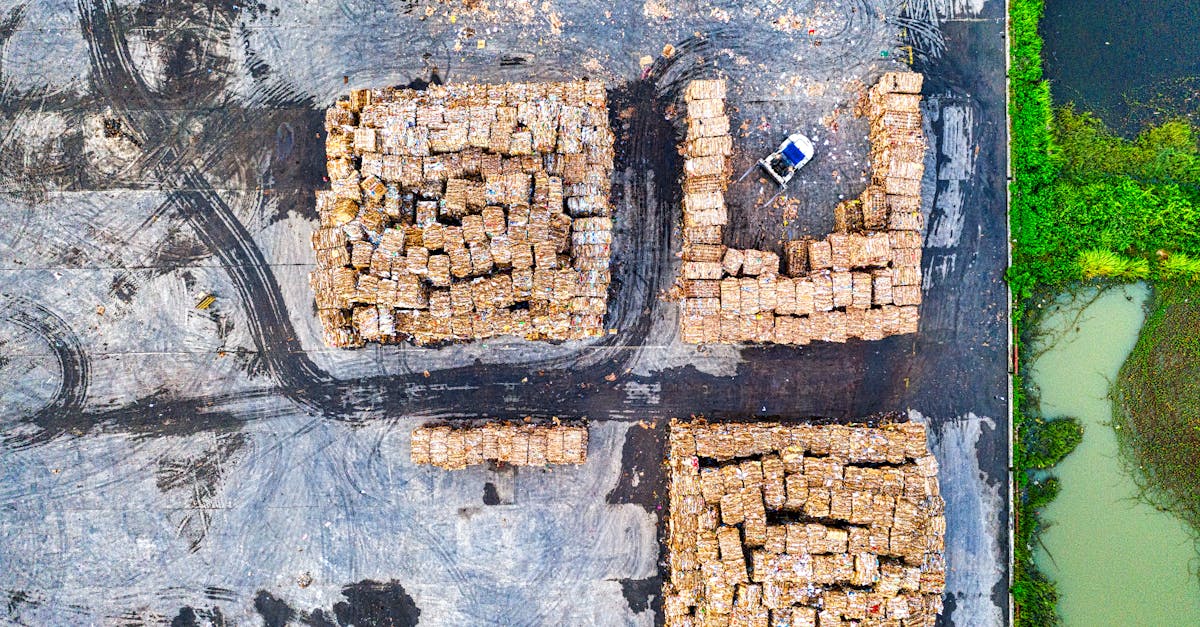
In an urgent move to combat the waste accumulation crisis, the South Jakarta Environmental Agency has announced the deployment of 190 trucks of various sizes. This action comes at a time when the city is experiencing a noticeable increase in waste volume, reaching approximately 1,120 tons per day.
Didi Setiuno, head of the South Jakarta Environmental Agency, explained that the trucks include various types such as small trucks, large transport trucks, and compaction trucks. The goal of this initiative is to transport waste from residential areas to temporary collection sites.
Details of the Initiative
A total of 1,107 employees have been assigned to work on waste collection daily, in order to prevent accumulation in various areas across ten municipalities in South Jakarta. Didi notes that the volume of waste particularly increases during holiday periods and celebrations.
As part of the Environmental Agency's efforts, collected waste is categorized into different types. Organic waste is converted into compost using the maggot method, while plastic waste is recycled and transformed into economically valuable products.
Background & Context
Waste management in Jakarta is one of the major challenges facing the city, with projections indicating that the waste volume will exceed 7,900 tons per day by 2025. The regional government is striving to enhance waste management by reducing the quantities produced and processing waste at the Bantar Gebang site.
In recent years, Jakarta has seen increasing efforts to improve waste management, including the closure of illegal collection sites and the implementation of new laws aimed at raising environmental awareness among residents.
Impact & Consequences
These efforts are a significant step towards improving the quality of life in Jakarta, as waste accumulation can lead to serious health and environmental issues. By enhancing waste management, the government hopes to mitigate risks associated with waste, such as the spread of diseases and pollutants.
Moreover, these measures reflect the government's commitment to achieving sustainable development goals and enhancing environmental awareness among citizens. Encouraging residents to reduce waste production and separate it at the source is a crucial part of these efforts.
Regional Significance
Waste management is also one of the major challenges facing many Arab cities. Jakarta's experience in addressing this issue could serve as a model for Arab cities struggling with waste accumulation. The lessons learned from this experience can help develop effective strategies for managing waste in the region.
Ultimately, improving waste management is not just a governmental responsibility; it requires the cooperation of the entire community. By working together, a cleaner and healthier environment can be achieved for all.