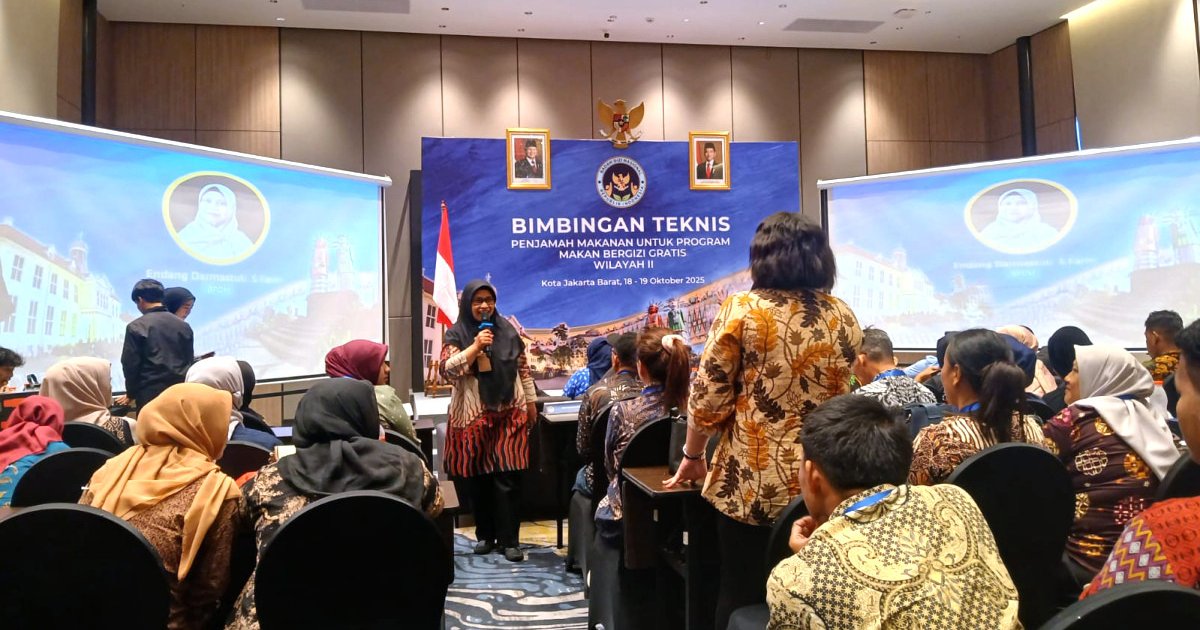
The central government of Jakarta (Pemkot Jakpus) has announced its commitment to enhancing food security in the city through a cooperation agreement with the Food and Drug Monitoring Agency (BBPOM) in the Jakarta region. This announcement was made during a press conference held by the city’s mayor, Arifin, who emphasized the importance of ensuring the safety of food available to residents.
Arifin explained that Jakarta is not only responsible for providing a sufficient food supply but also ensuring that this food is safe for consumption. In this regard, the agreement was signed as a first step towards enhancing food security in the city, requiring close cooperation between the central and local governments as well as the private sector.
Details of the Agreement
The new agreement includes specific mechanisms to ensure food safety, with relevant parties working to monitor the quality of food available in markets. Arifin pointed out that these efforts will involve all community segments, from villages to schools and markets, to ensure effective participation from everyone in enhancing food security.
He also stressed the importance of collaborating with various entities, including small and medium enterprises, to ensure that all food consumed by citizens is safe. These steps are part of a comprehensive vision to enhance food security in the city.
Background & Context
Food security issues are among the major challenges facing many large cities worldwide, including Jakarta. The city has witnessed a population increase in recent years, leading to a higher demand for food. Consequently, it has become essential to take effective steps to ensure the safety of available food.
Historically, many countries have faced problems related to food safety, resulting in outbreaks of food-related diseases. Therefore, this agreement represents a positive step towards addressing these issues in Jakarta and enhancing trust between consumers and stakeholders.
Impact & Consequences
This agreement is a significant step towards improving food quality in Jakarta, as it will help reduce health risks associated with food. Additionally, strengthening collaboration between the government and the private sector will contribute to improving monitoring and inspection mechanisms for food.
These steps are expected to raise awareness among citizens about the importance of food safety, potentially leading to improved dietary habits within the community. The success of this initiative may also encourage other cities in Indonesia to take similar actions.
Regional Significance
Many Arab countries also face similar challenges in food security, where food safety issues are critical. Therefore, successful experiences like those in Jakarta can serve as a model for Arab countries.
Enhancing food security in major cities can contribute to improving the health of populations and reducing food-related diseases, reflecting the importance of these issues at the regional level.