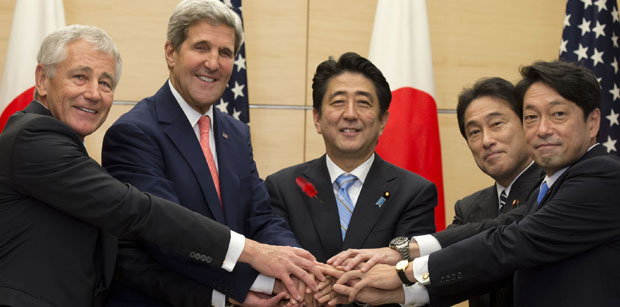
In a historic move, the Japanese government announced on Tuesday the amendment of its arms export laws, paving the way for the sale of weapons abroad. This decision is part of the government's efforts to enhance security cooperation with partner countries, particularly in light of the increasing security challenges facing Japan.
This policy was approved by the Cabinet and the National Security Council under the leadership of Prime Minister Fumio Kishida. The government considers the security situation in Japan to be the most serious since the end of World War II.
Details of the Amendment
The amendments include the removal of previous restrictions that limited arms exports to five non-combat categories, such as rescue, transport, and surveillance. However, the new laws impose restrictions on arms exports to countries experiencing conflicts, with potential exceptions based on Japanese security considerations and U.S. military operations in the Indo-Pacific region.
Defense equipment has been categorized into arms and non-arms, where exports of non-combat equipment, such as radar systems, are not subject to any restrictions. Meanwhile, the export of arms, such as destroyers and missiles, is only permitted to countries that have agreements on the protection of classified information with Japan.
Background & Context
These amendments come amid rapidly changing geopolitical dynamics, with increasing threats from countries like North Korea, which is considered a significant concern due to its nuclear and missile programs. The rising tensions in the East Asia region, including Chinese military activities, are also contributing to Japan's push to strengthen its defense capabilities.
Historically, Japan has adhered to a strict defense policy, limiting itself to exporting non-combat defense equipment. However, with changing security conditions, it has become necessary to reassess these policies to meet national security needs.
Impact & Consequences
These amendments are expected to lead to increased military cooperation between Japan and partner countries, including the United States. They may also contribute to strengthening Japan's defense industry, reflecting a shift in Japan's defense policy towards greater engagement in global security affairs.
However, the Japanese government may face criticism from opposition parties, which believe that parliament should approve arms exports before any decisions are made. This could raise concerns that Japan might find itself embroiled in international conflicts or an arms race.
Regional Significance
Although this decision is directly related to Japanese policy, it has implications for regional and international security. The enhancement of security cooperation between Japan and Western countries may affect stability in the Middle East, where Arab nations are seeking to bolster their defense capabilities in the face of security challenges.
In conclusion, Japan's amendment of its arms export laws represents a significant shift in its defense policy, reflecting the increasing security challenges it faces. It will be important to monitor how this decision impacts regional and international security in the future.