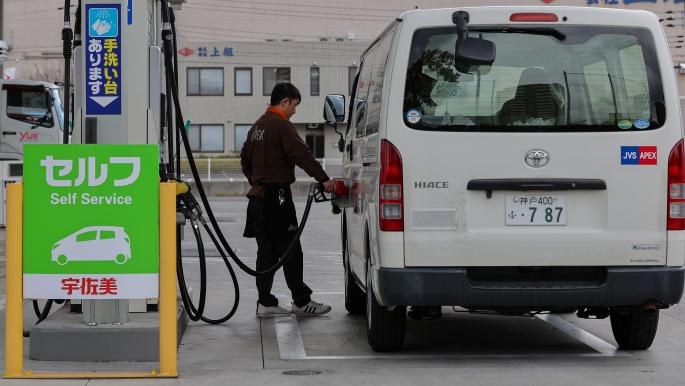
The Japanese government approved a supplementary budget of $19 billion on Wednesday, aimed at supporting families struggling with rising living costs due to the repercussions of the Iranian war. This budget comes at a time when the Japanese economy is facing significant challenges, necessitating government intervention to alleviate the burdens on citizens.
The new budget includes a range of measures designed to provide direct financial support to families, as well as enhance social programs targeting the most vulnerable groups. This decision reflects the Japanese government's commitment to addressing the economic challenges that have directly impacted citizens' lives.
Details of the Budget Allocation
The supplementary budget is distributed across several areas, including support for food and energy prices, which have seen a notable increase recently. A portion of the budget has also been allocated to support small and medium-sized enterprises affected by the crisis.
This decision comes at a sensitive time, as pressures on Japanese families are increasing due to rising prices, requiring a swift and effective response from the government. Officials have indicated that this budget will help alleviate the financial burdens on families and improve living standards.
Background & Context
Japan is significantly affected by global events, particularly those related to regional conflicts such as the Iranian war. This war has led to disruptions in global markets, impacting the prices of essential goods in Japan. Additionally, Japan heavily relies on importing energy and food supplies, making it vulnerable to fluctuations in global prices.
Over the past few years, Japan has faced multiple economic challenges, including economic contraction and rising public debt. With the outbreak of the COVID-19 pandemic, pressures on the economy intensified, prompting the government to take extraordinary measures to support citizens.
Impact & Consequences
This budget is expected to contribute to improving the economic situation of Japanese families, but it may not be sufficient to resolve all issues. Rising prices continue to pose a significant challenge, and the government may need to take further actions in the future.
Moreover, this move could impact the government's fiscal policy, as it will need to balance supporting citizens with reducing public debt. If economic crises persist, the government may have to reassess its financial strategies.
Regional Significance
The repercussions of the Iranian war extend beyond Japan, affecting many countries in the Arab region. The rise in oil and food prices due to the conflict could impact the economies of Arab nations, necessitating a response from governments to alleviate burdens on their citizens.
Furthermore, Japan is considered an important trading partner for many Arab countries, so its economic stability could positively reflect on trade and investment relations between both sides.
In conclusion, the supplementary budget approved by the Japanese government reflects an urgent response to the economic challenges facing the country and highlights the importance of international cooperation in addressing global crises.