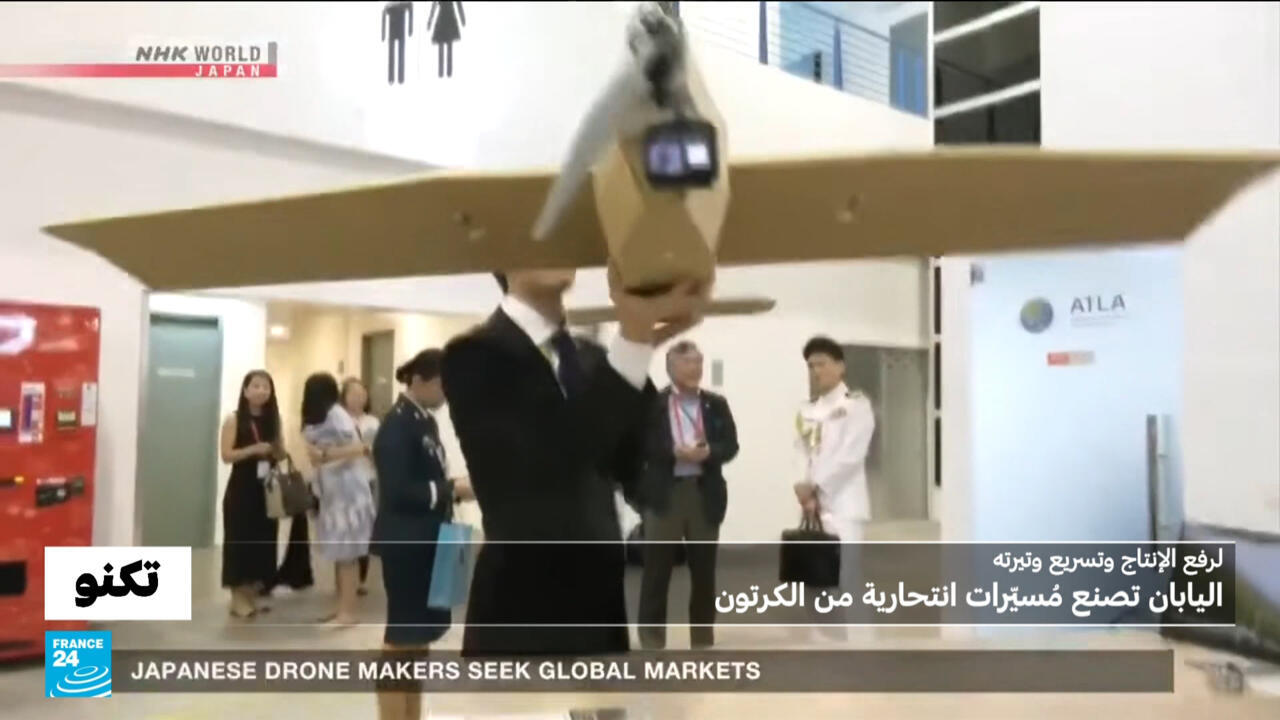
The Japanese army has started employing innovative kamikaze drones crafted from cardboard, demonstrating their effectiveness during tests in the Ukrainian conflict. These drones, characterized by their lightweight design and low cost, represent a shift in modern warfare strategies.
This initiative is part of Japan's efforts to enhance its defensive capabilities amid rising tensions in the region. The cardboard drones, developed by a Japanese company, aim to provide cost-effective solutions to military threats.
Details of the Development
These drones were tested in Ukraine, where they showed positive results in executing combat missions. They are capable of flying long distances, making them an attractive option for military operations. Additionally, their cardboard construction makes them cheaper and easier to manufacture, allowing armies to use them efficiently.
Through this initiative, Japan seeks to bolster its defense capabilities in response to increasing security challenges, particularly in light of regional tensions. Reports indicate that these drones could be effective in conducting reconnaissance missions and precision strikes.
Background & Context
Historically, Japan has witnessed significant advancements in military technology, consistently striving for innovation in its defense strategies. With escalating tensions in the region, including threats from North Korea and China, the urgency to develop new technologies has intensified.
These drones are part of Japan's vision to enhance its defense capabilities, as the government aims to leverage modern technology to address security challenges. The use of biodegradable materials like cardboard also reflects Japan's commitment to environmental sustainability in defense sectors.
Impact & Consequences
This development could alter the balance of power in the region, potentially encouraging other nations to develop similar technologies. This may lead to a new arms race, increasing tensions among countries.
Furthermore, this new technology could open new avenues in unconventional warfare, as it can be utilized in covert operations or challenging environments. This may change the nature of future conflicts and underscore the importance of technology in warfare.
Regional Significance
Given the security situation in the Arab region, this technology may hold particular significance. With rising security threats in some countries, governments may resort to similar technologies to enhance their defense capabilities.
The use of kamikaze drones may also spark discussions about the ethics of warfare, especially amid the humanitarian challenges faced by some nations. It is crucial for Arab countries to monitor these developments and consider how to leverage them in their specific contexts.
In conclusion, the Japanese army's adoption of cardboard kamikaze drones represents a bold step towards innovation in defense. This technology could reshape modern warfare and open new perspectives for thinking about security and defense strategies.