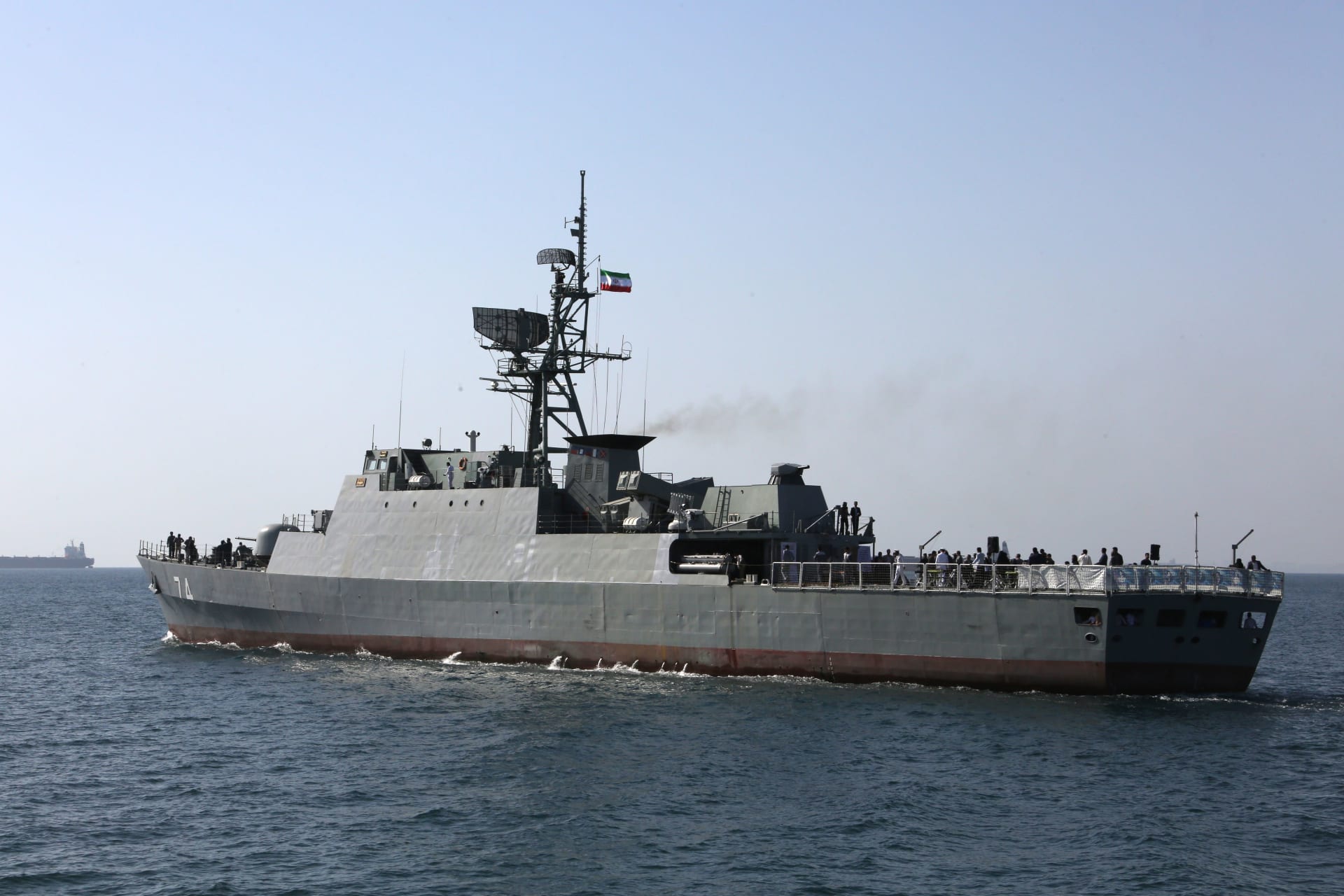
Former Japanese National Security Advisor, Akihisa Nagashima, emphasizes the necessity of sending Japanese warships to participate in securing the Strait of Hormuz, aiming to protect both Japanese and international vessels. This call arises during a sensitive period marked by escalating tensions in the region, where the Strait of Hormuz is a vital point for the transportation of oil and natural gas.
In an interview with Bloomberg, Nagashima pointed out that Japan must collaborate with other countries in the region to ensure maritime safety, even before reaching a ceasefire agreement. This step reflects Tokyo's growing concern regarding the security of its oil shipments, as Japan heavily relies on energy imports from the Middle East.
Details of the Event
Nagashima's call is part of a broader discussion regarding Japan's role in international security affairs. In recent years, there has been an increase in maritime threats in the Strait of Hormuz, including attacks on oil tankers, prompting many countries to reassess their security strategies. In this context, Japan seeks to enhance its military presence in the region, which may require coordination with the United States and Gulf Cooperation Council countries.
It is noteworthy that Japan has previously deployed forces to conflict zones, but it remains cautious about taking military steps beyond its borders. However, the current situation may compel it to take bolder actions to protect its economic interests.
Background & Context
The Strait of Hormuz is one of the most important maritime passages in the world, through which approximately 20% of the world's oil passes. Historically, the strait has witnessed numerous tensions, especially during periods of conflict between Iran and Western countries. In recent years, tensions between Iran and the United States have escalated, impacting maritime traffic in the region.
In this context, Nagashima's call comes at a time when the world is increasingly focused on energy security, as major countries strive to secure their energy sources amid geopolitical tensions. There are also growing calls from some nations to form military alliances to protect maritime navigation.
Impact & Consequences
If Japan decides to send warships to the Strait of Hormuz, it could significantly impact the military balance in the region. This move may heighten tensions between Iran and Western countries, as Tehran views the presence of foreign troops in the area as a threat to its national security. Additionally, this step could encourage other countries to bolster their military presence in the region, potentially leading to a new arms race.
Moreover, this action may affect global oil prices, as any escalation in the region could raise concerns about oil supply, reflecting on prices in global markets. Therefore, the Japanese decision could have widespread economic repercussions.
Regional Significance
The Arab region is a crucial part of the security equation in the Strait of Hormuz, as many Arab countries rely on oil as a primary source of revenue. Any escalation in tensions in the strait could directly impact the economies of these nations, especially those dependent on oil exports.
Furthermore, the presence of Japanese warships in the region could alter the dynamics of relations between Arab countries and Iran, as some Arab nations may feel uneasy about the enhancement of foreign military presence. Conversely, Iran may perceive this as a direct threat to its security, potentially leading to heightened tensions in the region.
In conclusion, Akihisa Nagashima's call to send Japanese warships to the Strait of Hormuz reflects the increasing security challenges in the region and highlights the importance of international cooperation in addressing maritime threats. It remains to be seen how Japan and other countries will respond to this call and whether it will lead to radical changes in the security strategy in the region.