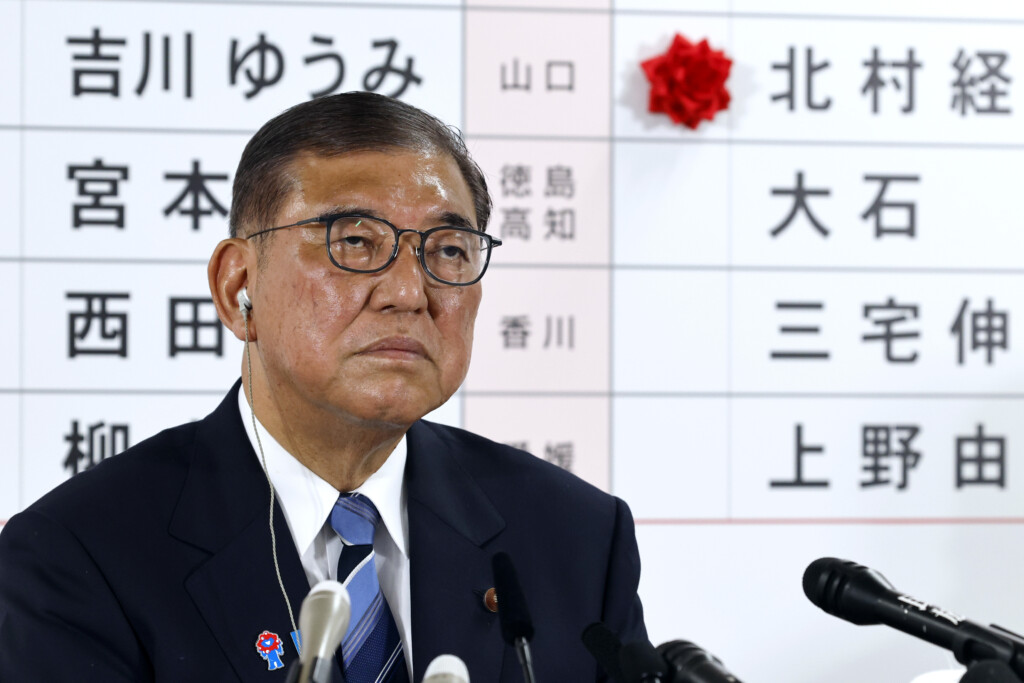
Japan's Prime Minister, Fumio Kishida, has announced the formation of a new committee aimed at reviewing the country's defense policies as part of the government's response to escalating security threats in the region. This move comes at a time when Japan is facing increasing challenges from its neighbors, particularly amid rising tensions with North Korea and China.
The new committee will be tasked with studying and providing recommendations on how to enhance Japan's defense capabilities, including the potential increase in military spending and the development of new strategies to address possible threats. Kishida noted that this initiative reflects the Japanese government's commitment to maintaining national security and enhancing stability in the region.
Details of the Initiative
This step comes at a sensitive time, as tensions in the East Asia region have increased, particularly with the nuclear and missile tests conducted by North Korea. In recent years, Japan has witnessed significant shifts in its defense policy, which has traditionally adopted a self-defense stance. However, with the rise in threats, it has become necessary to reassess these policies.
The newly formed committee will include a group of military and civilian experts, and its mission will be to provide clear recommendations on how to strengthen Japan's defense capabilities. The committee is also expected to address issues such as security cooperation with allies, including the United States, which is considered a strategic partner for Japan in defense matters.
Background & Context
Historically, Japan has followed a cautious defense policy, focusing on self-defense and avoiding military conflicts. However, this approach has changed significantly in recent years, particularly following the increasing threats from North Korea and the rise of Chinese military activities in the region. These changes have prompted the Japanese government to reconsider its defense strategies.
In 2014, the Japanese government decided to amend its constitution to allow for collective defense, enabling it to cooperate with allies in military operations. This step marked a significant shift in Japan's defense policy, reflecting changes in the regional security environment.
Impact & Consequences
This move is expected to have wide-ranging effects on security policy in the region. An increase in Japanese military spending could provoke reactions from neighboring countries, particularly China and North Korea, potentially escalating tensions in the area. Additionally, strengthening Japan's defense capabilities may encourage other countries in the region to enhance their military capabilities, leading to a new arms race.
Moreover, increased security cooperation with the United States could bolster Japan's position as a regional power, but it may raise concerns among some countries about the military balance in the region. It is crucial for Japan to balance enhancing its defense capabilities while maintaining regional stability.
Regional Significance
Although events in Japan may seem distant from the Arab region, the strengthening of military capabilities by major powers can indirectly affect regional security. Tensions in East Asia may influence Arab countries' strategies in addressing security challenges, especially amid global geopolitical changes.
Furthermore, security cooperation between Japan and the United States could serve as a model for Arab countries in enhancing their security partnerships with major powers. Given the increasing security challenges, Arab nations may need to reassess their defense strategies and collaborate with international partners.