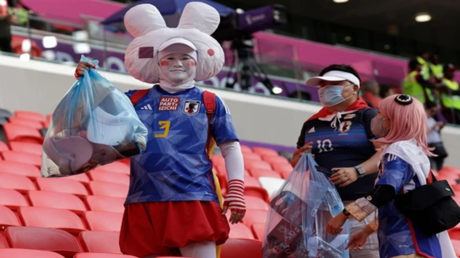
Japanese fans have become a symbol of commitment and cleanliness after they cleaned stadium stands following matches during the 1998 World Cup in France, impressing audiences worldwide.
This phenomenon embodies Japanese cultural values that emphasize respect and environmental care. Cleaning the stands is part of their traditions and reflects the spirit of cooperation and participation among fans.
Event Details
During the 1998 World Cup, this was Japan's first participation in the tournament, and the actions of its fans garnered significant attention. After each match, fans would collect trash and clean the areas where they sat, making them a subject of admiration for global media.
This behavior was not just a fleeting act but an expression of national pride and respect for the host country. Images and videos shared on social media showcased how Japanese fans not only supported their team but also demonstrated a strong commitment to keeping the stadiums clean.
Background & Context
The roots of this culture can be traced back to Japanese education, which focuses on the importance of cleanliness and respect. From a young age, children in Japan learn the significance of cleaning the spaces they use, which is reflected in their behavior as fans at sporting events.
These values are part of Japanese identity, where cleanliness is viewed as a sign of respect for others and the environment. This culture has contributed to enhancing Japan's image as a country that respects human and environmental values.
Impact & Consequences
The actions of Japanese fans during the World Cup have influenced many fans around the world, with some beginning to emulate this behavior at other sporting events. This impact reflects how sports can serve as a platform for promoting positive values.
Moreover, this phenomenon has helped strengthen relations between Japan and other countries, as the Japanese have shown the world how sports can be a means to spread positive human and social values.
Regional Significance
This phenomenon serves as an important lesson for Arab fans, as it can enhance values of cooperation and cleanliness in sporting events. In light of the environmental challenges facing the region, these values can serve as a model to follow.
Furthermore, promoting positive behaviors in stadiums can contribute to improving the image of sports in the Arab world and reflect fans' commitment to human values.
The actions of Japanese fans during the World Cup are not just a passing event; they embody deep values that reflect Japanese cultural identity. Fans around the world, including in the Arab world, can draw inspiration from this behavior to promote positive values in their daily lives.