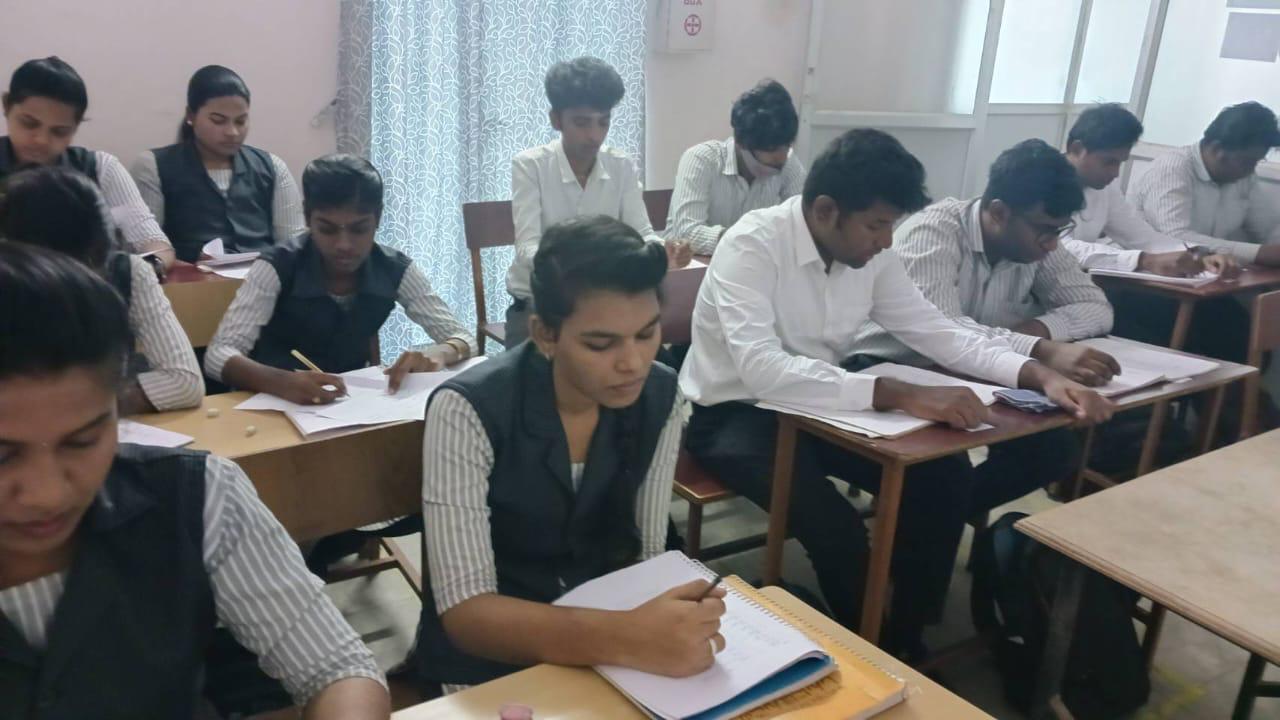
Ahmad Riza Patriya, the Deputy Minister of Rural Development in Indonesia, announced the launch of a Japanese language training program for rural communities, aimed at opening new horizons for international work opportunities for local residents. This announcement was made during the opening ceremony of the second training session, held at the Ministry of Rural Development office in Jakarta.
Patriya emphasized that this program is not just an ordinary training activity, but a strategic step aimed at equipping youth in villages to face the challenges of the changing job market. He pointed out that mastering the Japanese language will enable participants to secure job opportunities and internships in Japan, thus enhancing their competitiveness in the global job market.
Event Details
This training is organized in collaboration with PT Mojo Indonesia Raya, and the second session saw the registration of 1,457 participants from 36 provinces and 288 districts, representing a significant increase compared to the first session, which had only 118 participants. The training consists of two phases: the first focuses on learning the Hiragana and Katakana alphabets, while the second covers the basics of Japanese for daily conversations and an introduction to tourism.
Patriya also highlighted the importance of fully utilizing this opportunity, as such programs are not frequently repeated. He stressed that participants should strive to develop their language skills, which will open doors for them to work in Japan.
Background & Context
This initiative comes as part of the Indonesian government's efforts to promote rural development and improve living standards in villages. Historically, Indonesia has faced significant challenges in providing job opportunities for youth in rural areas. With the increasing demand for skilled labor in global markets, it has become essential to develop youth skills to meet the needs of these markets.
Japan is considered one of the countries seeking skilled labor, especially in technology and services sectors. Therefore, mastering the Japanese language is a crucial step towards achieving better job opportunities for Indonesian youth.
Impact & Consequences
This program is expected to contribute to improving the economic situation of many families in Indonesian villages. With the increasing job opportunities abroad, this could lead to higher incomes and improved living standards. Additionally, the experience gained from working in advanced international environments will enhance the skills of youth, benefiting their communities upon their return.
Moreover, this type of program strengthens cultural and economic relations between Indonesia and Japan, potentially opening new avenues for cooperation in other fields.
Regional Significance
This experience could serve as a model for Arab countries, where many rural communities face similar challenges in providing job opportunities. Enhancing youth skills through specialized training programs can contribute to improving their economic conditions and increasing their chances in the global job market.
In conclusion, this program represents a positive step towards empowering youth in Indonesian villages and reflects the importance of education and training in achieving sustainable development.