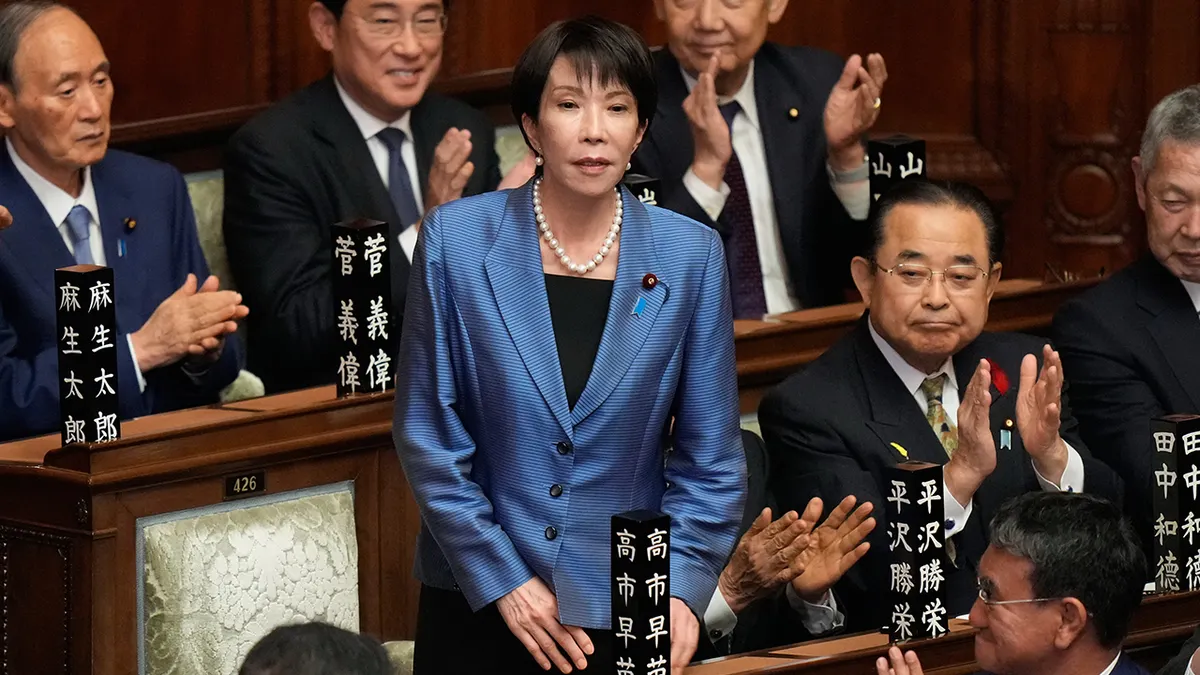
Japanese Prime Minister, Sna Takahashi, has rejected a parliamentary proposal to impose restrictions on energy consumption, emphasizing the necessity of maintaining economic activity under current circumstances. This rejection comes at a time when the world is experiencing heightened tensions due to conflicts in the Middle East, which have impacted global energy supplies.
In response to questions from parliament members, Takahashi confirmed that the Japanese government is working to secure energy supplies from alternative sources, stating that the economy should not halt due to international crises. She clarified that there is currently no need for additional budget allocation, following parliament's approval of the 2026 budget amounting to 122.31 trillion yen.
Details of the Situation
Takahashi's statements come at a sensitive time, as the Strait of Hormuz, one of the most crucial maritime routes for energy transportation, has begun to experience actual closures due to the conflict between the United States and Israel on one side and Iran on the other. This conflict has led to calls from Asian countries, which rely on oil imports, to reduce fuel consumption.
Japan is considered one of the countries that heavily depend on oil imports from the Middle East, making it vulnerable to negative impacts resulting from any disturbances in the region. Takahashi has assured that the government will take flexible measures to address any potential repercussions.
Background & Context
Historically, Japan has relied significantly on external energy sources, particularly from the Middle East. After the oil crisis in the 1970s, Japan began diversifying its energy sources, but it still heavily depends on imported oil. With rising tensions in the region, Japan finds itself in a sensitive position that requires strategic decisions to maintain its economic stability.
In recent years, Japan has witnessed shifts in its energy policy, striving to enhance the use of renewable energy and reduce dependence on fossil fuels. However, the current challenges highlight the need for a balance between securing supplies and sustaining economic growth.
Impact & Consequences
Takahashi's statements are significant in the context of the current geopolitical tensions, as they could influence global oil prices. Any restrictions on energy consumption may lead to price increases, adversely affecting the Japanese economy, which is already under economic pressure.
Furthermore, the continuation of crises in the Middle East may exacerbate the situation, necessitating Japan to adopt new strategies to tackle these challenges. Global markets are expected to closely monitor Japan's responses, as these decisions could impact price stability in international markets.
Regional Significance
The implications of Takahashi's remarks extend beyond Japan, as they resonate with the broader geopolitical landscape. Japan's energy policies and responses to international pressures could set precedents for other nations facing similar dilemmas.
In conclusion, Japan's approach to energy consumption and its commitment to economic activity amidst global tensions will be crucial in shaping its future energy landscape and economic resilience.