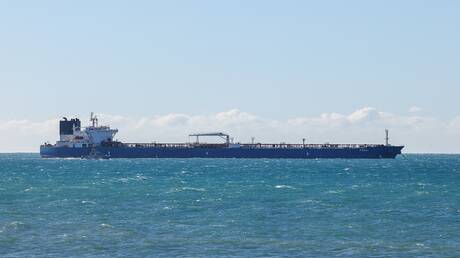
The Japanese government confirmed the passage of two vessels linked to it through the Hormuz Strait amidst escalating regional tensions concerning Iran. Despite this, Tokyo has refrained from commenting on the decisions of shipping companies or their routes, raising questions about the impact of this move on maritime traffic in the region.
This step comes at a sensitive time, as relations between Iran and Western countries are increasingly strained, heightening concerns regarding the safety of navigation in one of the world's most critical maritime corridors. The Hormuz Strait is a vital artery for oil and gas transportation, with approximately 20% of the total oil transported by sea passing through it.
Details of the Event
These ships are part of the Japanese shipping fleet, which heavily relies on passage through the Hormuz Strait, as this corridor holds significant strategic and economic importance. Tokyo has confirmed that the vessels passed through the strait without any incidents, but no additional details have been disclosed regarding the nature of the shipments or their final destinations.
In a related context, Iran continues to bolster its military presence in the region, further intensifying tensions. Tehran has previously issued warnings regarding any potential threats to navigation in the strait, reflecting the growing concern over escalating regional conflicts.
Background & Context
Historically, the Hormuz Strait has been a strategic meeting point between East and West, witnessing numerous crises and conflicts over the past decades. In 2019, the strait experienced a series of incidents, including attacks on oil tankers, which led to heightened tensions between Iran and the United States.
Japan, as a country that heavily depends on energy imports, seeks to maintain the safety of its shipping routes. Tokyo has shown significant interest in enhancing maritime security in the region, especially in light of the increasing threats posed by Iran.
Impact & Consequences
These developments could significantly affect global oil prices, as any escalation in tensions may lead to increased concerns regarding energy supplies. Japan is one of the largest oil importers in the world, and thus any disruptions in shipping movements could directly impact its economy.
Moreover, these events may lead to increased cooperation among concerned countries to enhance maritime security, potentially contributing to the formation of new alliances in the region. Additionally, any escalation of tensions could negatively impact global financial markets.
Regional Significance
The Arab region, particularly the Gulf states, is most affected by developments in the Hormuz Strait. Any escalation in tensions could impact the stability of these countries and increase security risks. Furthermore, any rise in oil prices resulting from tensions could affect the economies of Arab countries dependent on oil.
In conclusion, the situation in the Hormuz Strait remains under observation, as any new developments could affect regional and global security. The international community must work to de-escalate tensions to ensure navigational safety and protect economic interests.