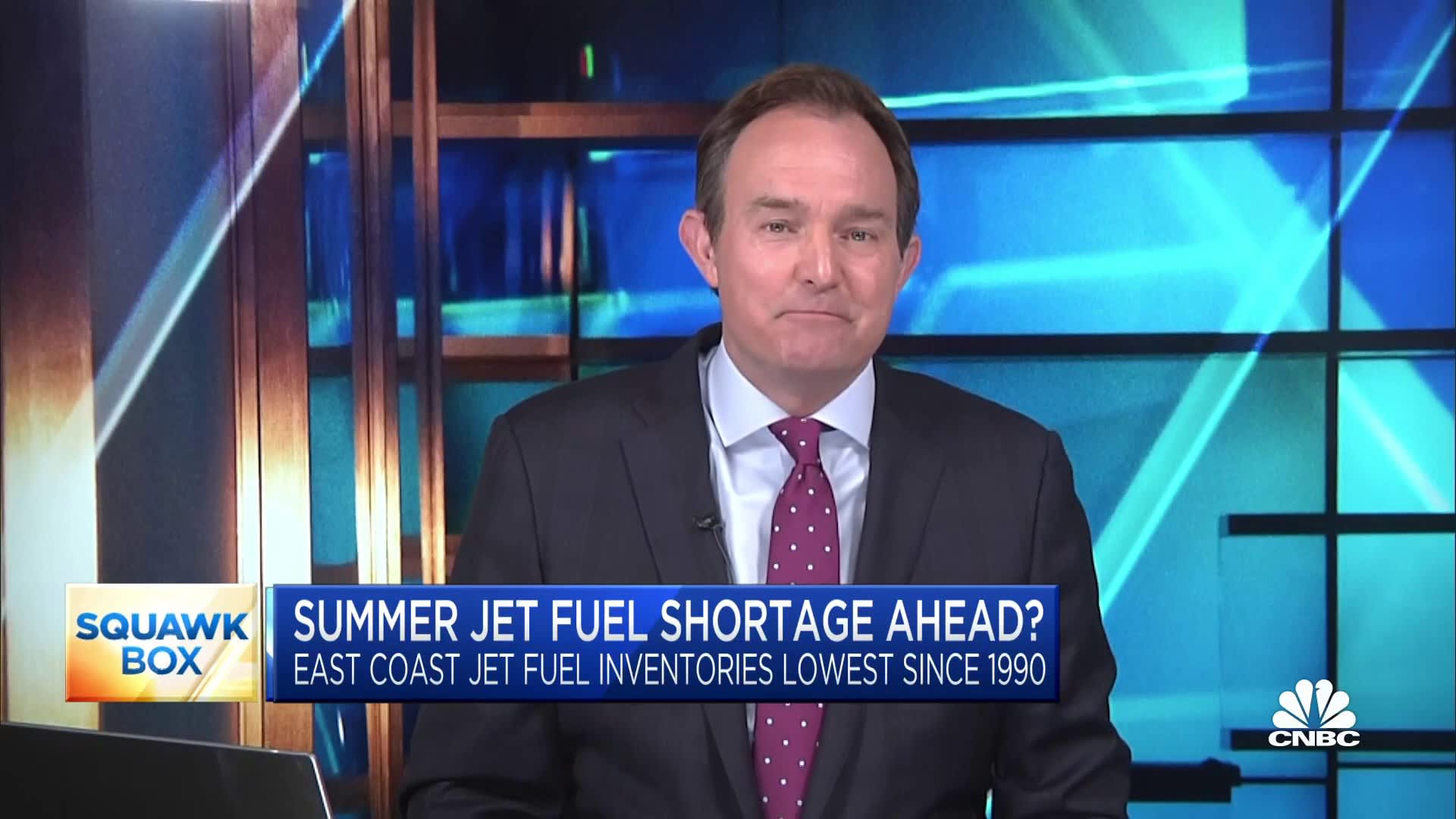
Reports from Société Générale indicate that the closure of the Strait of Hormuz could lead to a severe jet fuel shortage in the UK. Michael Haigh, head of global commodity research, confirmed that the last ships carrying jet fuel will arrive in the next 48 hours, noting that "there will be no more after that."
This potential shortage of jet fuel comes at a very sensitive time, as the aviation sector in the UK heavily relies on imported fuel supplies. The Strait of Hormuz is a vital transit point for oil and gas, and any closure could have serious repercussions on the global economy.
Details of the Situation
Concerns are growing that the closure of the Strait of Hormuz, considered one of the world's most important waterways, could lead to a severe energy supply shortage, including jet fuel. Haigh pointed out that the current situation requires a swift response from the UK government and the aviation sector to ensure that significant disruptions to flights do not occur.
He also added that the closure of the strait could impact fuel prices, potentially leading to increased air travel costs, thereby affecting the UK economy as a whole. This comes at a time when the aviation sector is facing significant challenges due to the COVID-19 pandemic and its ongoing effects on international travel.
Background & Context
The Strait of Hormuz is a narrow waterway connecting the Arabian Gulf and the Gulf of Oman, and it is one of the world's most important maritime routes for transporting oil and gas. Approximately 20% of the world's total oil supply passes through it, making it a strategic point in the global energy market.
Historically, the strait has witnessed numerous crises and political tensions that have affected navigation. Any potential closure of the strait has led to increases in global oil prices, negatively impacting economies dependent on energy.
Impact & Consequences
If the closure of the Strait of Hormuz continues, it could lead to a severe shortage of fuel supplies, directly impacting the aviation sector in the UK. This shortage could result in flight delays and increased ticket prices, affecting travel and tourism.
Moreover, the fuel shortage could impact commercial shipments, leading to price increases in local markets. Consequently, the economic impacts could extend to other sectors, such as transportation and trade, creating a cycle of negative effects on the UK economy.
Regional Significance
The Arabian Gulf region is one of the most affected areas by global political and economic events. Any closure of the Strait of Hormuz could impact global oil prices, which may reflect on the economies of oil-producing Arab countries.
Additionally, rising fuel prices could affect transportation and shipping costs in the region, negatively impacting intra-Arab trade. Therefore, the situation in the Strait of Hormuz requires close monitoring by Arab countries to ensure the stability of energy markets.