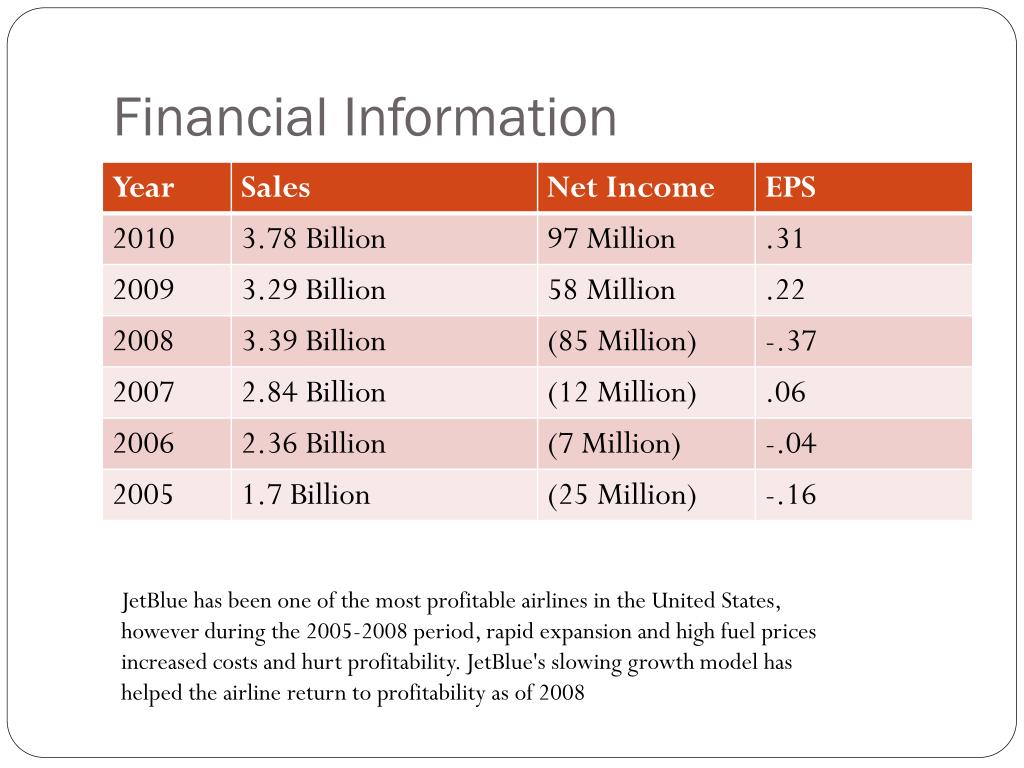
JetBlue Airways, a leading player in the American aviation sector, announced that it recorded larger than expected losses in the first quarter of this year. This was attributed to rising fuel costs and fluctuations in demand for its services. The company confirmed that it is aiming to recover between 30% and 40% of its fuel costs during the second quarter.
These losses present a significant challenge for the airline, as it faces increasing pressure from rising fuel prices, which directly impacts profit margins. Additionally, the demand for travel remains unstable, complicating the airline's financial situation.
Event Details
During the first quarter, JetBlue recorded financial losses that exceeded expectations, raising concerns among investors and market analysts. Tom Fitzgerald from TD Cowen noted that the results reflect the challenges faced by the aviation sector in general, as companies are affected by fluctuating fuel prices and changing demand.
JetBlue is looking to implement effective strategies to reduce costs, including improving operational efficiency and increasing revenues through enhanced customer service. The company also intends to capitalize on available market opportunities to strengthen its competitive position.
Background & Context
Historically, the aviation sector has faced numerous challenges, ranging from economic crises to the COVID-19 pandemic, which significantly impacted travel activity. As the market recovers, companies still struggle to regain previous demand levels, making cost management vital for remaining competitive.
JetBlue is one of the companies particularly affected by market fluctuations, as it strives to adapt to changing conditions. In recent years, the airline has expanded its fleet and increased the number of destinations it serves, reflecting its growth strategy.
Impact & Consequences
JetBlue anticipates that these losses will affect its future strategies, as it will work to reassess and adjust its expansion plans in line with current conditions. These losses may also impact investor confidence in the company, potentially leading to fluctuations in its stock price.
At the same time, these challenges could increase competition among airlines, as each company seeks to improve its services and reduce costs to attract more customers. This situation may create new opportunities for companies that can quickly adapt to market changes.
Regional Significance
Although JetBlue is an American company, its impacts may reach the Arab market, especially with the increasing travel activity between the United States and Arab countries. Fluctuations in fuel prices could affect ticket prices, making travel more expensive for Arab travelers.
Moreover, the challenges faced by American airlines may also affect Arab airlines, as travel activity between countries could be impacted by rising costs. Therefore, Arab airlines must be prepared to face these challenges by improving their operational efficiency.