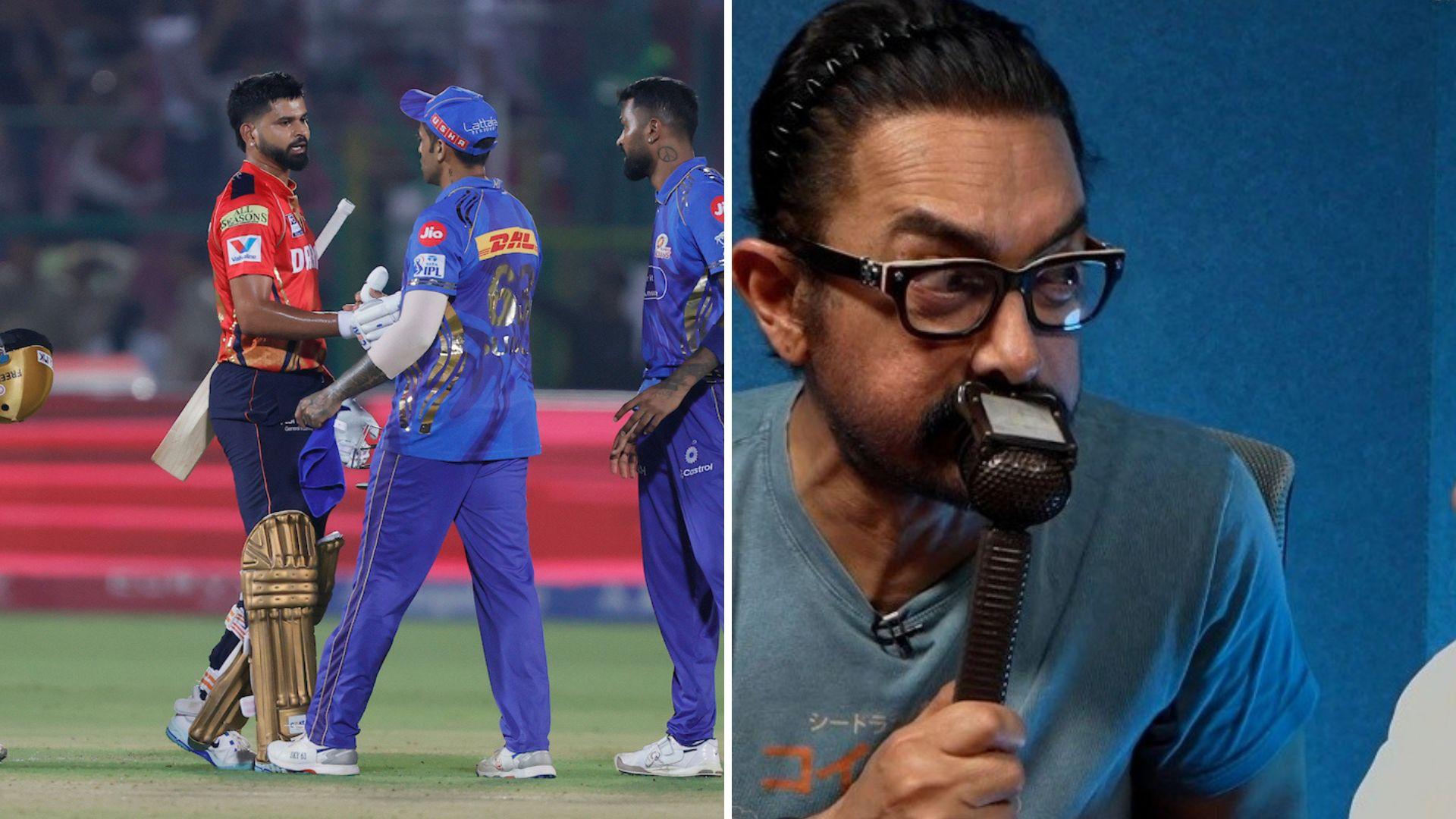
JioStar, the Indian company owned by billionaire Mukesh Ambani, has announced the termination of its broadcasting deal for the IPL (Indian Premier League) in Bangladesh, citing the local partner's failure to meet agreed payment obligations. This decision was revealed in a document reviewed by Reuters, confirming that the agreement has been terminated immediately.
This move comes at a sensitive time for India-Bangladesh relations, as Bangladesh had imposed a ban on broadcasting league matches last January after one of the teams, Kolkata Knight Riders, canceled the contract of Bangladeshi bowler Mustafizur Rahman based on instructions from the Indian cricket board, escalating tensions between the two countries.
Details of the Event
In a letter dated February 17, JioStar reported that it had ended its agreement with the Bangladeshi channel TSports, which had acquired broadcasting rights from JioStar for the league from 2023 to 2027. The company noted that the local partner had consistently failed to adhere to the payment deadlines set forth in the agreement.
Although Bangladesh is reviewing the ban on broadcasting the league, JioStar's termination of the deal means there will be no local broadcaster for league matches even if the Bangladeshi government's stance changes. Another message from JioStar indicated that it had also terminated the broadcasting deal for the women's league for the same reasons.
Background & Context
Historically, relations between India and Bangladesh have been strong, especially during the presidency of Sheikh Hasina, who has led the country until August 2024. However, following the political transition in Dhaka, these relations have significantly deteriorated, affecting cooperation in various fields, including sports.
Despite this, there are indications of improving relations, as the new Prime Minister Tariq Rahman stated last February that Bangladesh would seek to cooperate with its neighbors based on mutual respect and shared interests.
Impact & Consequences
The termination of the IPL broadcasting deal in Bangladesh represents a significant blow to cricket fans in the country, as the league is considered one of the richest in the world, valued at approximately $18.5 billion. The league enjoys immense popularity in Bangladesh, where cricket is an integral part of the national culture.
This decision may also impact Indian investments in Bangladesh, as Indian companies have been heavily investing in the media and entertainment sector in the country. Continued tensions could lead to a decline in these investments, adversely affecting the Bangladeshi economy.
Regional Significance
Considering the India-Bangladesh relations and their impact on the region, this event highlights how politics can influence sports. In the Arab world, where sports are immensely popular, there could be lessons learned about the importance of diplomatic relations in fostering sports cooperation.
Ultimately, the question remains about how relations between India and Bangladesh will evolve and whether they will affect other areas such as trade and investment, which could reflect on the region as a whole.