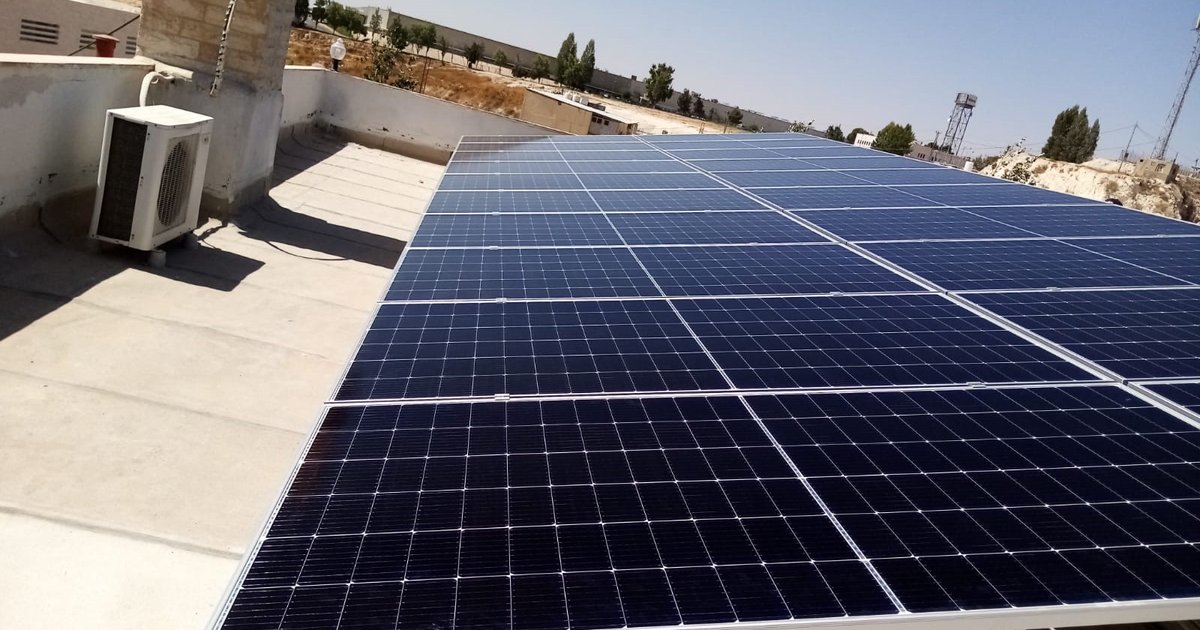
Jordan is striving to enhance the use of renewable energy sources, particularly solar and wind energy, as an effective response to the repercussions of the global energy crisis. With rising oil and gas prices, these alternative sources have become an essential part of the country's strategy to ensure energy sustainability and reduce dependence on fossil fuels.
Jordan is one of the countries rich in sunlight, recording high levels of solar radiation throughout the year. This significantly qualifies it to benefit from solar energy, with numerous projects already implemented in this field, including large solar power plants that contribute to meeting the country's electricity needs.
Details of the Initiative
The Jordanian government has announced new plans to increase the share of renewable energy in the national energy mix, aiming to reach a target of 50% from renewable sources by 2030. Solar and wind energy projects have already been implemented in various regions of the kingdom, contributing to the creation of thousands of job opportunities and boosting the local economy.
The government is also seeking to encourage investments in this sector by providing incentives for local and foreign investors, reflecting its commitment to achieving sustainable development goals.
Background & Context
Jordan faces significant economic challenges, as its economy heavily relies on energy imports. Regional crises and fluctuations in global energy prices have exacerbated these challenges. In this context, renewable energy has become a strategic option to reduce dependence on imports and achieve energy security.
Historically, Jordan relied mainly on imported natural gas from neighboring countries, but as economic pressures increased, the government began searching for sustainable alternatives. Renewable energy projects have contributed to reducing energy bills and enhancing the country's capacity to face future crises.
Impact & Consequences
This initiative is a significant step towards achieving environmental and economic sustainability. Increasing reliance on renewable energy will help reduce carbon emissions, contributing to combating climate change. Moreover, Jordan's investment in renewable energy enhances its position as a leading country in this field in the region.
Furthermore, the development of renewable energy projects contributes to creating new job opportunities and stimulating economic growth, positively impacting the living standards of citizens.
Regional Significance
Jordan's experience in relying on renewable energy serves as a model for other Arab countries, many of which face similar challenges in the energy sector. This experience can inspire other nations to adopt similar strategies, contributing to enhanced regional cooperation in sustainable energy.
Amid the environmental and economic challenges facing the region, the shift towards renewable energy is a necessary step towards achieving sustainable development and ensuring a better future for upcoming generations.