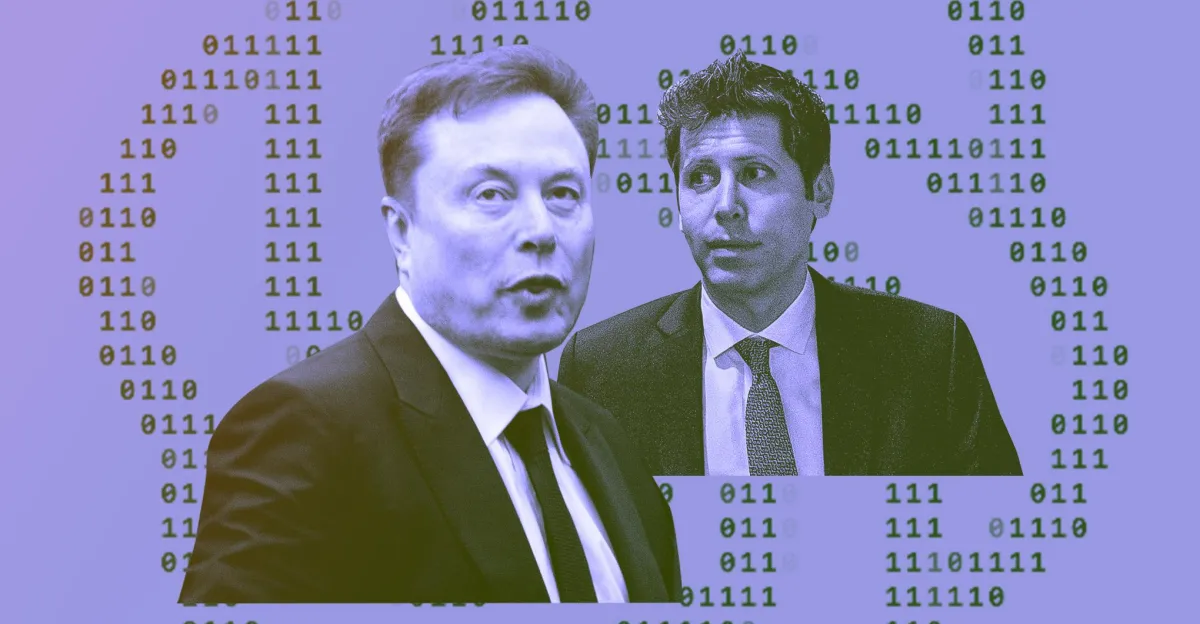
The jury issued a unanimous verdict in the case known as Musk vs. Altman, with deliberations lasting about two hours. The jury found that two of Elon Musk's claims were barred by the statute of limitations, while a third claim failed due to the rejection of one of these allegations.
The jury is considered an advisory body, meaning its role is to provide additional opinion to the judge, and its verdict is not legally binding. However, Federal Judge Yavon Gonzalez Rogers accepted the decision reached by the jury.
Details of the Case
The jury found that Musk's claim of breach of charitable trust was barred by the statute of limitations, and the allegation that Microsoft aided in this breach also failed. Claims for damages were similarly found to be barred under the statute of limitations.
The Musk vs. Altman case lasted three weeks in Oakland federal court, focusing on accusations that OpenAI deviated from its foundational mission. Musk claimed that his funds were earmarked for a specific non-profit organization. He accused OpenAI's CEO, Sam Altman, and company president, Greg Brockman, of breaching charitable trust and engaging in unjust enrichment at his expense.
Background & Context
OpenAI was founded in 2015 with the goal of developing artificial intelligence safely and beneficially for humanity. Elon Musk was one of its key founders but left its board in 2018. Since then, OpenAI has experienced significant growth, raising questions about its commitment to its foundational principles.
The case revolves around the issue of how funds designated for charitable purposes are used and whether OpenAI has strayed from its original path. This case reflects the increasing tensions between technological innovation and ethical principles, especially in the field of artificial intelligence.
Impact & Consequences
The outcomes of this case may influence how technology companies address ethical and financial issues. As reliance on artificial intelligence increases, it becomes essential for companies to remain committed to their social responsibilities.
This case could also pave the way for further discussions on how to regulate artificial intelligence companies and how to protect investors and stakeholders from potential violations. A ruling against Musk may set new boundaries on legal claims in this sector.
Regional Significance
As Arab countries strive to enhance technological innovation, this case could serve as an important lesson on the significance of adhering to ethical principles in business. With increasing investments in technology, Arab companies must consider the ethical issues associated with technological development.
The results of this case could affect how technology companies are regulated in the region, reinforcing the need for a legal framework that ensures transparency and accountability.