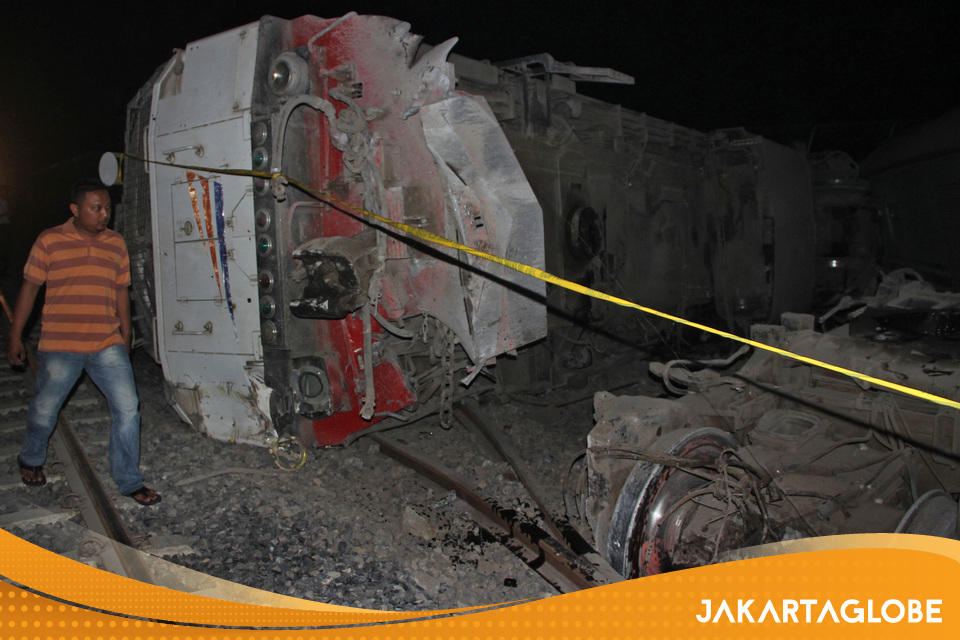
KAI Indonesia (PT Kereta Api Indonesia) has declared a full refund for customers affected by the train derailment incident at the Bumiayu station, located in the Pribadi area of Central Java. The incident, which occurred on April 6, 2026, resulted in the cancellation of a significant number of trips and delays, greatly affecting the travel plans of many passengers.
The Public Relations Manager at KAI Indonesia, Muhibuddin, confirmed that the 100% refund policy will apply to all tickets canceled due to this incident. A total of 273 refund requests were processed between April 6 and 7, reflecting the extent of the impact the incident had on transportation operations.
Details of the Incident
The incident at Bumiayu station caused the cancellation of seven train services, while 27 other trips were rerouted via an alternative path through Semarang city. The response team took 11 hours to conduct evacuations and repair the damaged track, with repairs completed at 04:08 AM on Tuesday.
Despite the resumption of operations, KAI Indonesia imposed speed restrictions on trains passing through the area, setting the current speed limit at 20 kilometers per hour to ensure passenger safety. The company has apologized to passengers for any inconvenience caused by the incident.
Background & Context
Train accidents are unfortunate events that impact transportation in Indonesia, which has experienced numerous incidents in recent years. As reliance on train services as a primary mode of transport increases, improving safety and infrastructure has become urgent. The recent incident underscores the pressing need to enhance safety standards and develop transportation systems.
Historically, Indonesia has seen many similar accidents, prompting the government to take measures to improve safety. However, challenges remain regarding infrastructure and trained human resources.
Impact & Consequences
The recent incident may have significant repercussions on KAI Indonesia's reputation, as it is expected to affect passenger confidence in the company's services. It is crucial for the company to manage this crisis effectively by enhancing customer service and reinforcing safety standards.
Moreover, this incident could increase pressure on the government to improve transportation infrastructure, which may require substantial investments in the future. Economic impacts may include decreased revenue due to trip cancellations and refund costs.
Regional Significance
While the incident may seem confined to Indonesia, there are lessons that Arab countries can learn to improve their transportation systems. Many Arab nations rely on public transport services, making it essential to enhance safety and efficiency.
Incidents like this serve as a call to reflect on how to improve transportation infrastructure in Arab countries, including investing in modern technology and training staff to ensure passenger safety.
The incident at Bumiayu station highlights the importance of safety in transportation services and should serve as a motivation to improve existing systems. KAI Indonesia must take effective steps to restore passenger confidence and ensure their safety in the future.