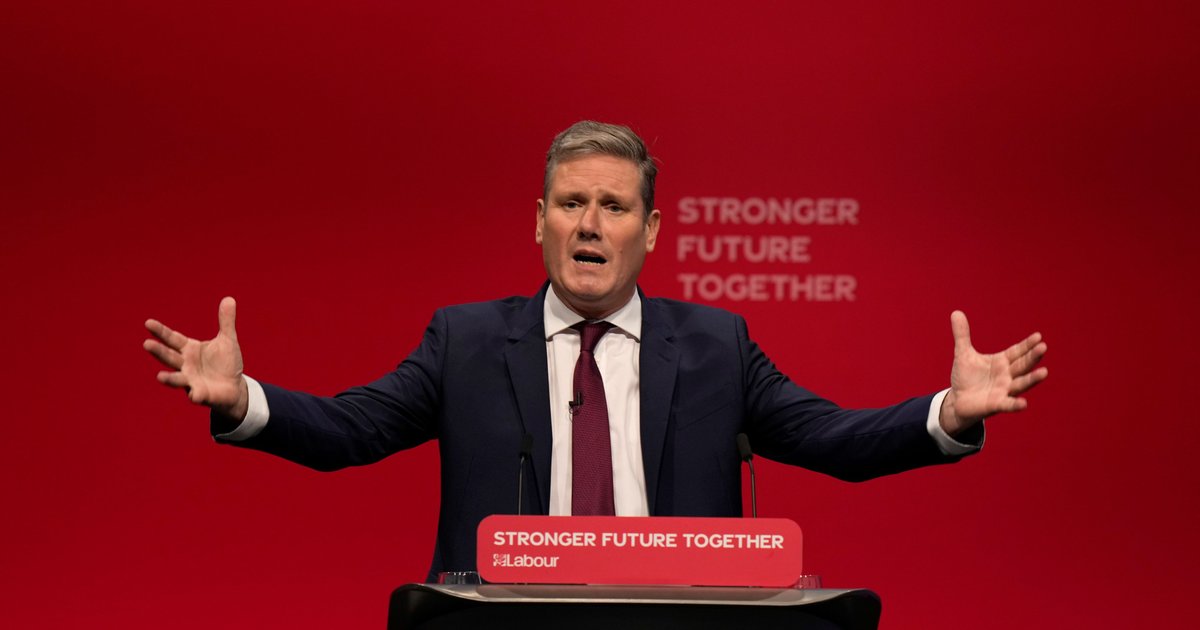
In a move reflecting the new directions of the British Labour Party, Keir Starmer has announced a set of strategies aimed at strengthening the party's position in the upcoming elections. These statements come at a crucial time, as the party strives to regain voter trust after years of political challenges.
During a press conference held in London, Starmer emphasized the importance of rebuilding the party to be closer to the issues facing citizens. He indicated that the party will work on providing realistic solutions to the challenges facing the country, including economic and social crises.
Details of the Announcement
Starmer focused his remarks on the necessity for the Labour Party to be a strong voice for the working classes and marginalized communities. He explained that the party will rely on new strategies that include enhancing public services, improving working conditions, and supporting the local economy. He also stressed the importance of teamwork within the party to ensure the achievement of the desired goals.
Starmer also addressed the challenges the party has faced in recent years, noting that internal divisions have been among the most significant factors negatively impacting the party's performance in past elections. He underscored the need to unify efforts and work collaboratively to achieve success.
Background & Context
Historically, the British Labour Party has undergone radical changes in its leadership and ideas, especially following the resignation of Jeremy Corbyn. Corbyn's tenure was filled with challenges, as the party faced widespread criticism for policies deemed extreme by some voters. With Starmer taking the helm, the party began reassessing its strategies and directions.
In recent years, the United Kingdom has witnessed numerous political changes, including Brexit, which has significantly impacted the political landscape. Starmer is now seeking to rebuild trust with voters by presenting a clear and coherent vision for the party's future.
Impact & Consequences
Starmer's new strategies are considered an important step in the party's attempt to regain its strength in the political arena. If the party succeeds in providing effective solutions to current challenges, it may attract voters who feel disillusioned with the current situation. Additionally, the success of these strategies could significantly influence the upcoming elections, as the party aims to reclaim its seats in Parliament.
On the other hand, these strategies may face significant challenges, particularly from competing parties that could exploit any weaknesses in the Labour Party's vision. Therefore, Starmer's ability to implement these strategies effectively will be crucial in determining the party's future.
Regional Significance
Although British affairs may seem distant from Arab issues, political changes in the UK could affect relations between Arab countries and Britain. With a change in political leadership, foreign policies may also shift, impacting economic and political cooperation between the two sides.
Furthermore, the Labour Party's new strategies may inspire some political parties in the Arab world, as these parties seek to enhance their role in addressing social and economic challenges. Starmer's success in rebuilding the party could serve as a model to emulate in the region.