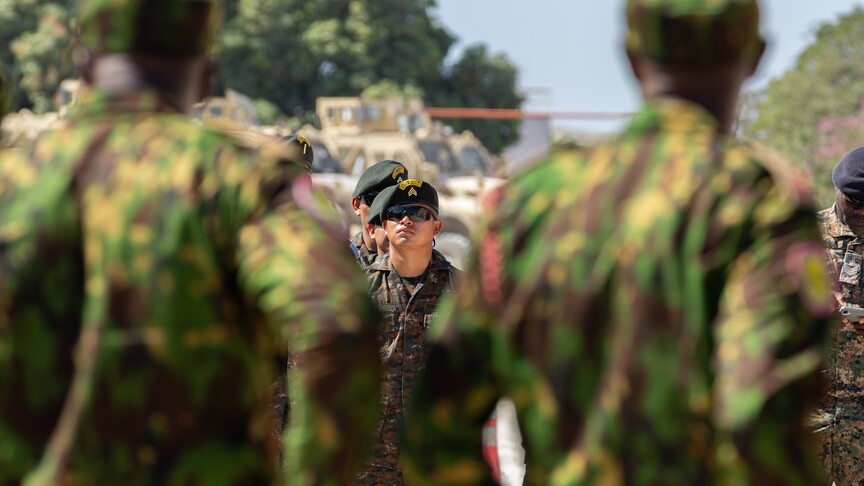
Kenya's Foreign Minister has categorically rejected allegations suggesting misconduct by its troops involved in the United Nations mission in Haiti. He clarified that investigations conducted did not yield any evidence supporting these claims, reflecting Kenya's commitment to professional conduct standards in peacekeeping operations.
These statements come at a time of heightened international pressure on peacekeeping missions in Haiti, where the country is grappling with escalating security and political crises. The minister emphasized that Kenya will continue to support UN efforts to stabilize Haiti, asserting that its troops operate under the highest standards.
Details of the Incident
The UN mission in Haiti faces significant challenges, with rising violence and crime in the country. Kenya deployed its troops as part of this mission, placing them under international scrutiny. Allegations of inappropriate behavior by some members of the force have prompted the Kenyan government to conduct internal investigations.
The Kenyan Foreign Minister announced that the investigation results showed no misconduct by Kenyan troops, noting that they work diligently to protect civilians and support stability in Haiti. He also affirmed that Kenya takes these allegations seriously but firmly rejects them at the same time.
Background & Context
Historically, Haiti has suffered from political and economic instability, necessitating urgent international support. The United Nations has sent multiple missions to the country since 2004, yet challenges persist. In recent years, violence has intensified, prompting the international community to reconsider its strategies.
Kenya is recognized as one of the countries actively contributing to peacekeeping missions worldwide, boasting a long history in this field. However, any allegations of misconduct could negatively impact the country's reputation, making it crucial for Kenya to defend its troops.
Impact & Consequences
The repercussions of these allegations extend beyond Kenya, potentially affecting peacekeeping efforts in Haiti as a whole. If these claims remain unaddressed, they could lead to a loss of trust in UN missions, hindering stabilization efforts in the region.
Moreover, this issue may impact Kenya's relations with other countries involved in peacekeeping missions. It is vital for Kenya to demonstrate its commitment to international standards, especially amid the challenges facing peacekeeping missions globally.
Regional Significance
The peacekeeping issues in Haiti are particularly significant for Arab countries, many of which participate in peacekeeping missions worldwide. The success or failure of these missions can influence how Arab nations address security challenges in other regions.
Furthermore, enhancing cooperation among countries in the field of peacekeeping can contribute to achieving stability in conflict areas, benefiting regional security.
In light of the increasing challenges facing the UN mission in Haiti, it remains essential for participating nations, such as Kenya, to uphold professional conduct standards. Defending the reputation of Kenyan troops reflects the importance of international cooperation in addressing global crises.