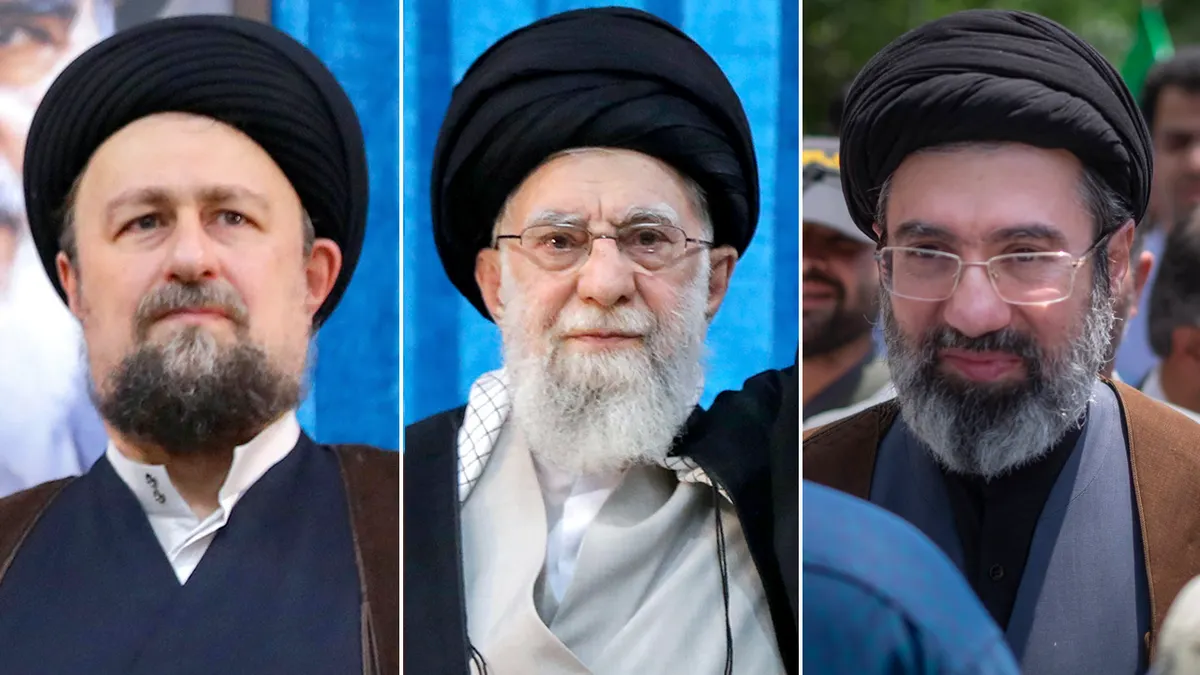
Iran's Supreme Leader Ayatollah Mohammad Khamenei expressed gratitude to the Iraqi people and their religious leadership for their support against what he termed 'aggression.' This statement comes amidst rising tensions between Iran and some Western countries.
The Iranian media did not clarify how this message was conveyed, but it is known that relations between Iran and Iraq have seen significant development in recent years, especially in light of the security and political challenges facing the region.
Khamenei's Remarks and Context
Khamenei's remarks come in the context of increasing pressures on Iran from the United States and its allies, as Tehran faces strict economic sanctions. Khamenei indicated that Iraqi support is a crucial element in strengthening Iran's position against these pressures.
Iraq, which shares a long border with Iran, is considered one of Tehran's most prominent allies in the region. The close relations between the two countries have contributed to enhanced security and economic cooperation, positively reflecting on regional stability.
Historical Background of Iran-Iraq Relations
Historically, Iranian-Iraqi relations have experienced numerous fluctuations, influenced by wars and regional conflicts. Following the fall of Saddam Hussein's regime in 2003, Iran began to strengthen its influence in Iraq, raising concerns among other Arab countries about the expansion of this influence.
In recent years, Iraq has become a battleground for competition among regional and international powers, with Iran seeking to bolster its presence against U.S. and Saudi influence. This competition complicates the political landscape in Iraq, where opinions on relations with Iran vary.
Potential Impacts and Consequences
Khamenei's statements may strengthen ties between Iran and Iraq, potentially leading to increased cooperation between the two countries in various fields, such as security and economics. However, these remarks may also provoke negative reactions from countries that view Iran as a threat to their security, potentially escalating tensions in the region.
Furthermore, Iraq's support for Iran could impact the Iraqi government's position, which faces internal and external pressures to balance its relations with Iran and other countries, particularly the United States. This challenge may further complicate the political landscape in Iraq.
Significance for the Arab Region
The Iranian-Iraqi relations are part of the larger picture in the Middle East, where fears of increasing Iranian influence are on the rise. Many Arab countries, especially in the Gulf, are closely monitoring these relations, viewing them as a threat to their stability and security.
At the same time, strengthening ties between Iran and Iraq may lead to the formation of new alliances in the region, potentially altering traditional power balances. These dynamics could influence regional and international policies in the future.
In conclusion, Khamenei's statements reflect the importance of Iraq as a strategic ally for Iran in facing regional challenges. However, the question remains about how these relations will impact regional stability amid rising tensions.