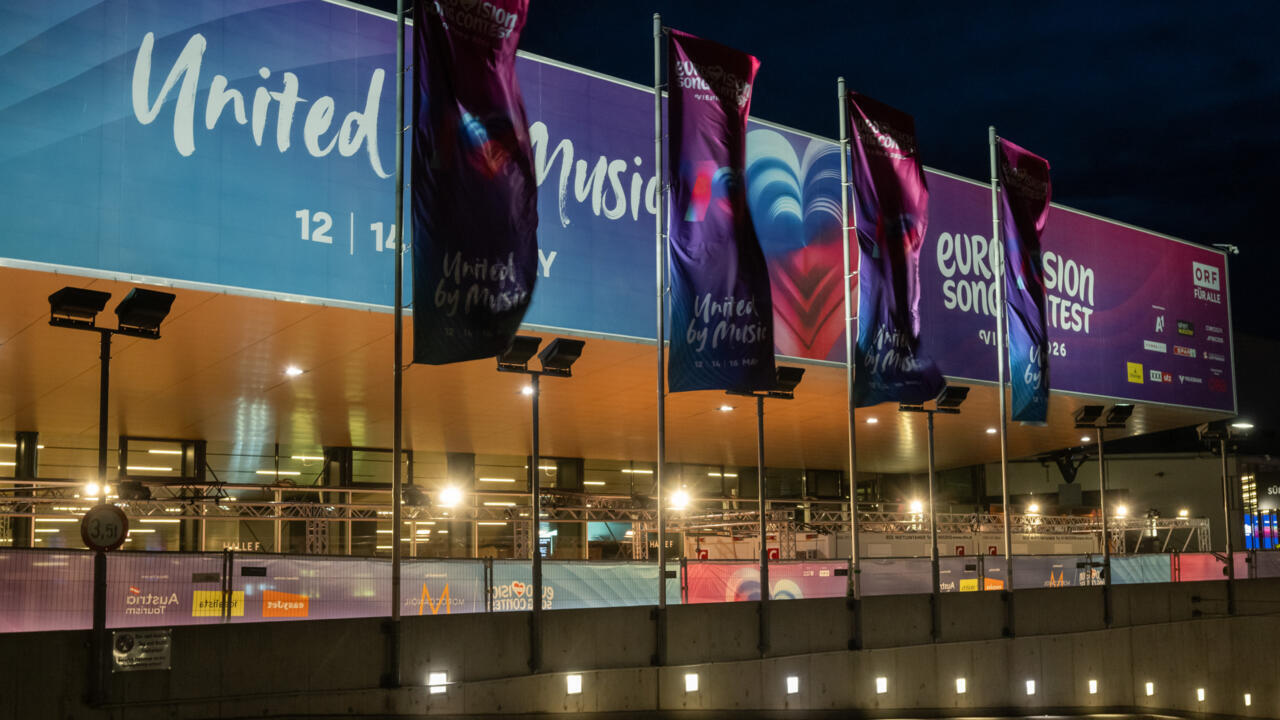
The 70th edition of the Eurovision Song Contest begins today, Sunday, in the Austrian capital of Vienna, amidst rising calls to boycott the event due to Israel's participation. This event is among the most-watched music competitions globally, culminating in the final scheduled for May 16.
Vienna, renowned for its rich cultural and artistic history, hosts this edition of the contest in a festive atmosphere, with the city preparing a series of outdoor events targeting both tourists and local residents. Thousands of people from various countries are expected to attend, reflecting the event's cultural and tourism significance.
Event Details
The red carpet events commence this afternoon, featuring a turquoise carpet symbolizing a warm welcome to the 35 delegations from participating countries. The opening ceremony is set to begin at 14:00 local time (12:00 GMT), providing an opportunity for the public to see their favorite stars.
Finland is considered one of the frontrunners this year, with the duo of Pete Parkkonen and Linda Lampenius competing for the prize. Additionally, Greece, Denmark, France, and Australia have strong chances, with Australian star Delta Goodrem receiving government support to enhance cultural diplomacy.
Background & Context
This edition of Eurovision comes amid increasing political tensions, as broadcasting bodies in several countries, including Spain, Ireland, Iceland, the Netherlands, and Slovenia, have announced their withdrawal from participation. More than a thousand artists and musical groups have called for a boycott of the events, reflecting the division surrounding Israel's involvement.
The history of Eurovision spans decades, having first launched in 1956, and has since become a platform to showcase musical talents from across Europe and beyond. However, political events increasingly influence the nature of these competitions.
Impact & Consequences
Protests against Israel's participation in Eurovision reflect growing sentiments in many countries regarding Israeli policies. Pro-Palestinian activists used whistles and loudspeakers to drown out the words of the Austrian Foreign Minister and the Mayor of Vienna during Europe Day celebrations, indicating that political issues continue to overshadow cultural events.
The impact of these protests may extend to other areas, potentially affecting cultural relations between participating countries and sparking discussions on how to address political issues in the arts and entertainment sectors.
Regional Significance
Eurovision is a global event followed by millions, making it an important platform for expressing political and social opinions. Protests against Israel's participation may contribute to raising awareness about Palestinian issues in the Arab world and could encourage Arab artists to consider how to use their platforms to express their political stances.
Ultimately, while Eurovision remains a music competition, it also reflects global political tensions, making it crucial to monitor its developments and impacts on the international stage.